🍋 How to Propagate Your Lemon Verbena
Aloysia citrodora
By the Greg Editorial Team
Jun 18, 2024•4 min read
This article was created with the help of AI so we can cover more plants for you. May contain errors. See one? Report it here.
- Stem cuttings for quick propagation, select healthy, green stems.
- Seed propagation for diversity, ensure mature seed harvest and proper sowing.
- Rooting hormone boosts success, use well-draining potting mix and monitor light and water.
Choosing Your Propagation Path
🌱 Stem Cuttings: The Fast Track
In the realm of Lemon Verbena propagation, stem cuttings are akin to hitting the fast-forward button.
Selecting the Best Stems
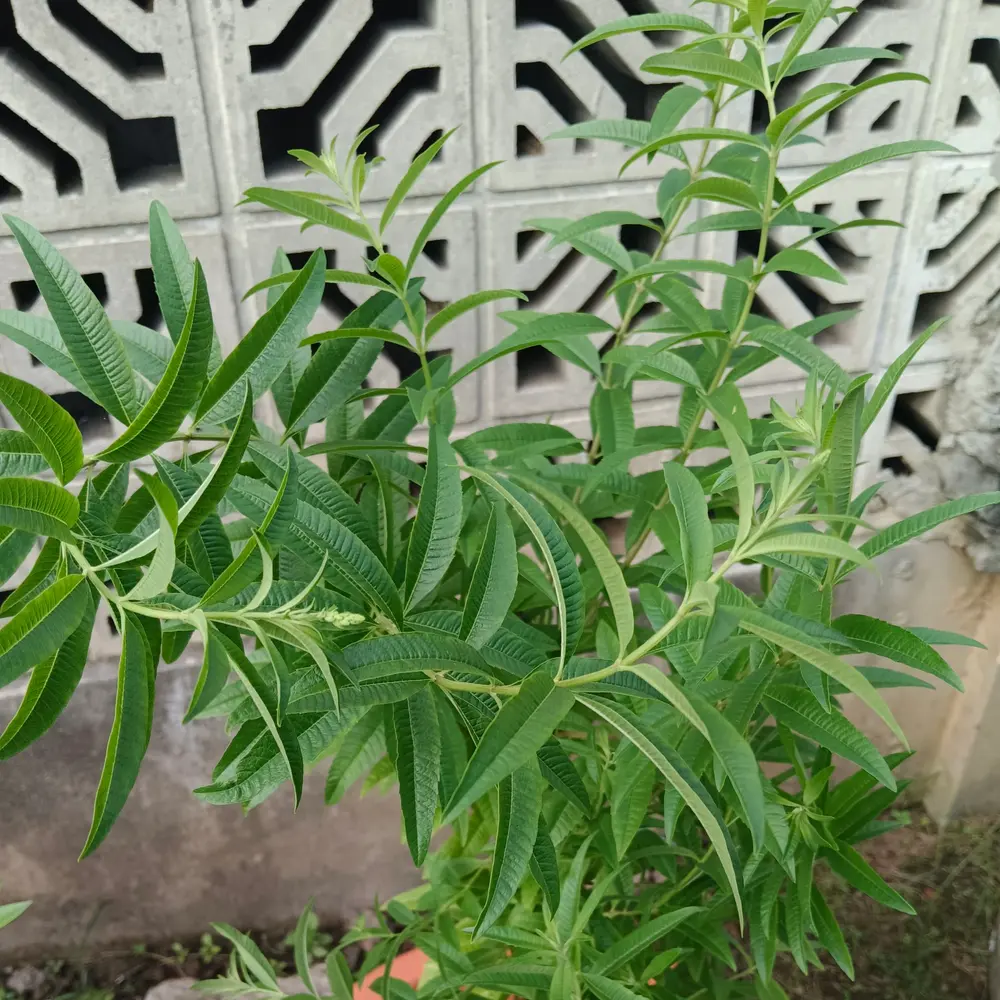
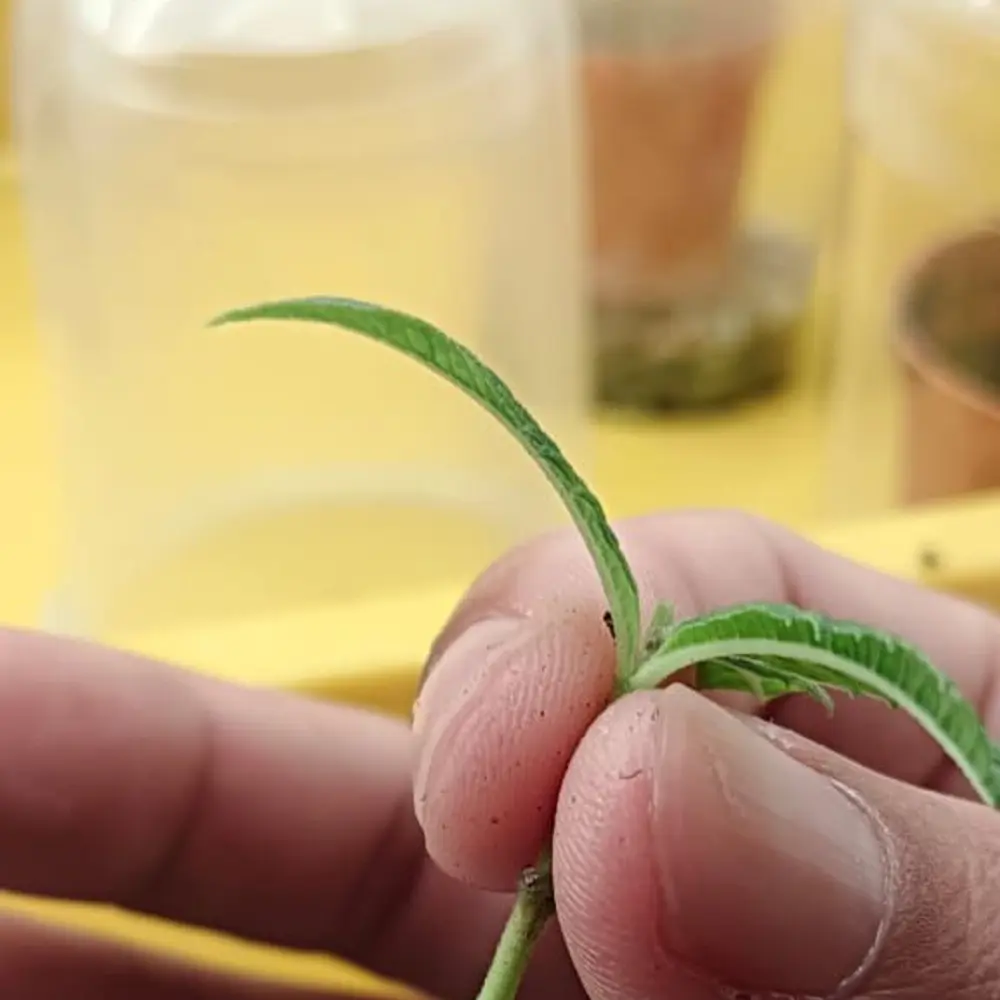
Vigor is the name of the game when hunting for the ideal stem. Look for a specimen that's robust, green, and notably free from the clutches of disease or pests. A length of 4-6 inches, boasting several leaf nodes, is your golden ticket.
Preparing Your Cuttings
Once you've snipped your chosen stem just below a node with your trusty, sanitized shears, strip off the lower leaves to ward off rot. Let the cutting air out a bit, allowing it to callous over for a day or two—this is your rot-prevention mantra. A dip in rooting hormone is optional, but think of it as a growth turbocharger.
🌱 Seed Propagation: The Patient Gardener's Route
For those who favor the scenic route, seed propagation offers a journey filled with anticipation and the thrill of genetic diversity.
Harvesting Lemon Verbena Seeds
Timing is everything; snag those seeds when they're mature but before they're sent parachuting by a gust of wind. Store them in a cool, dry place, away from the tyranny of moisture and light.
Sowing Secrets
Sow your seeds shallowly, as they're not fans of the dark. Keep the soil consistently moist—think of it as a spa day for seeds, not a waterpark. Warmth is your seedling's best friend, so shield them from drafts and the chill of windowsills. As they sprout, celebrate each new leaf; it's a sign of your impending Lemon Verbena empire.

Preparing for Takeoff: Rooting Your Cuttings
🌱 The Rooting Hormone Boost
Rooting hormones aren't a must, but they're the secret sauce for eager gardeners. Think of it as a turbo boost for your Lemon Verbena cuttings. Dip the cut end into the hormone powder or gel right before you plant. This step can significantly speed up root formation and give you a denser root system. If you're feeling experimental, try natural alternatives like honey or cinnamon for a more organic approach.
🌱 Soil and Containers: Setting the Stage
Mixing the right potting blend is like crafting a fine cocktail for your cuttings. Aim for a light, sterile mix—peat or coconut coir with perlite is a winning combo. This ensures good drainage and aeration, critical for young roots. As for containers, size matters. Small pots or seed trays work best, preventing overwatering and root rot. Remember, your cuttings are like newborns—they need snug spaces to feel secure and focus on growing those vital roots.

Planting Your Future Lemon Verbena
🌱 Potting Like a Pro
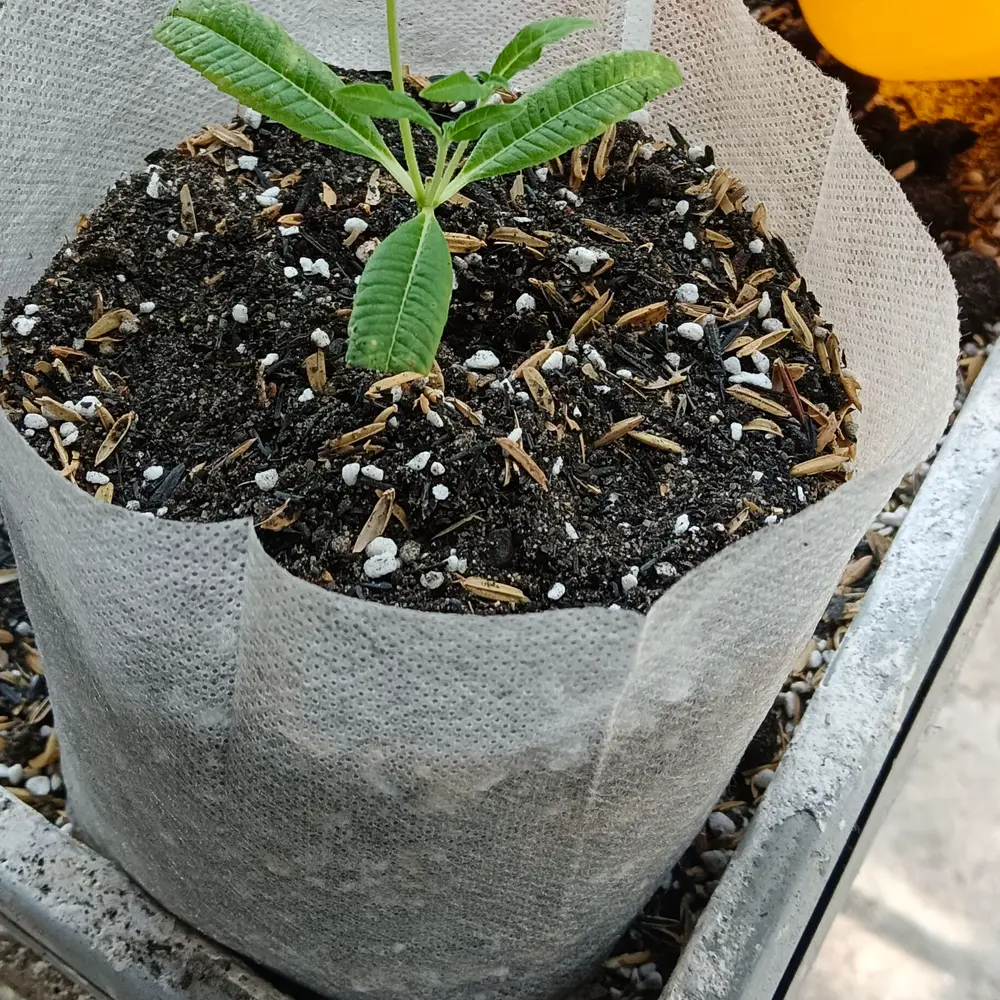
Once your Lemon Verbena cuttings have rooted, it's time to transition them to their new homes. Select a container that's a size up from the cutting's current one, ensuring it has ample drainage holes to prevent waterlogging.
Mix a potting blend that's equal parts peat, perlite, and compost to give your young plant the best start. This trio provides aeration, moisture retention, and nutrients—everything a growing Lemon Verbena craves.
When potting, be gentle but firm. Place the rooted cutting in the center and fill around it with your soil mix. Tap the pot to settle the contents and water sparingly. Overzealous watering is the express lane to root rot.
🌿 The Delicate Dance of Watering and Lighting
Your Lemon Verbena's growth hinges on mastering the watering and lighting tango. Bright, indirect sunlight is your plant's rhythm, keeping it strong and preventing the leggy, weak growth that comes with low light.
Watering is your lead step. Wait until the topsoil feels dry to the touch, then water until it's as moist as a wrung-out sponge. Overwatering is a common misstep, so keep that sponge analogy in mind.
Remember, Lemon Verbena is a sun worshipper. If you're growing indoors, a south-facing window is ideal. Otherwise, consider supplemental lighting to mimic the sun's embrace, especially during those dreary winter months.

Overcoming Propagation Pitfalls
🌱 Common Cuttings Calamities
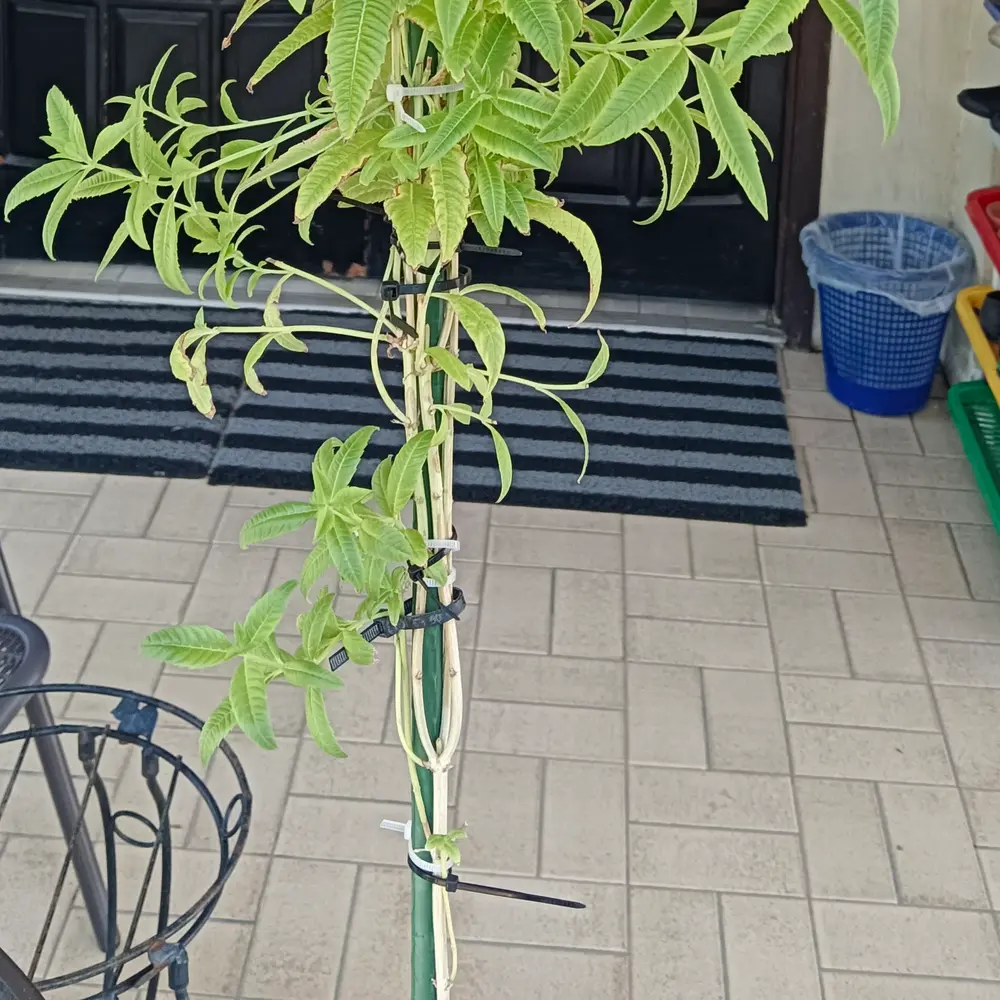
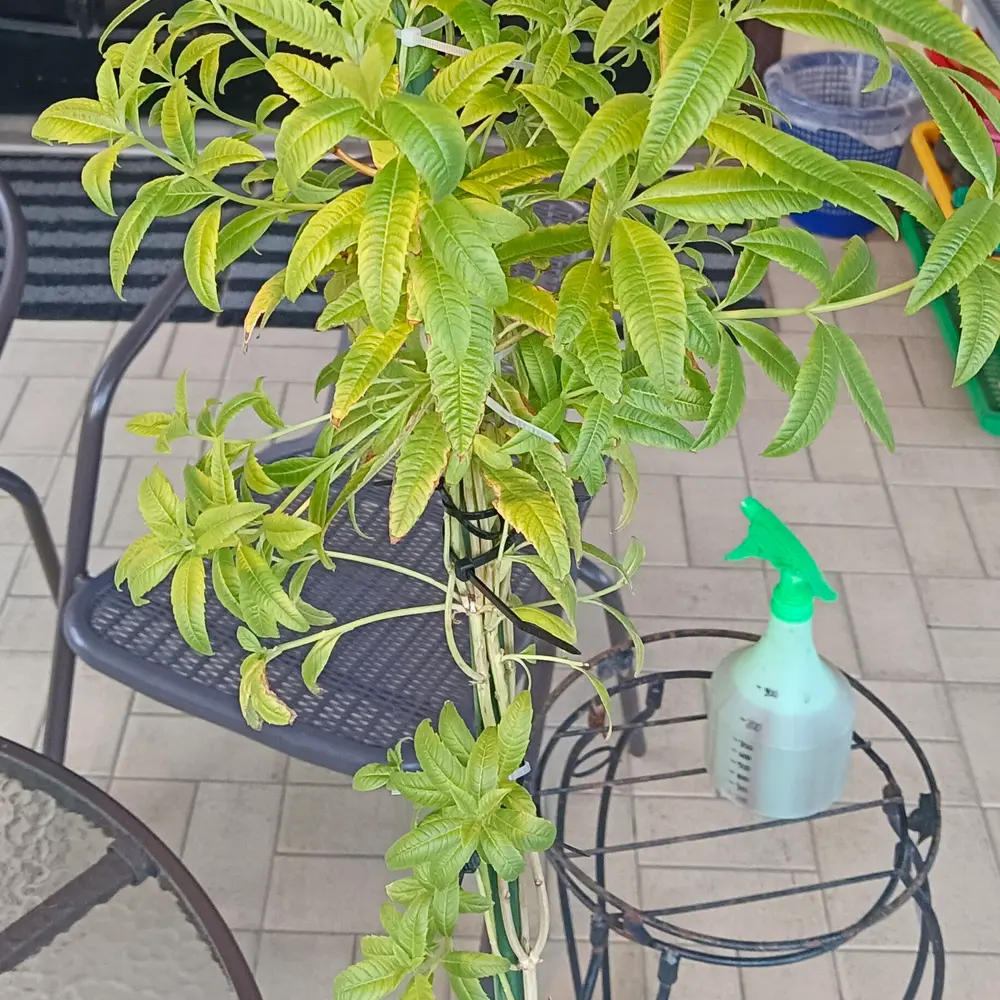
Yellowing leaves or stunted growth are the plant world's SOS signals. When you see them, act fast. Cleanliness is your cuttings' best friend—sanitize those shears like a surgeon.
Root rot whispers tales of overwatering or lousy drainage. Keep your potting mix airy and free, like a well-fluffed pillow. If your cuttings are more stick than sprout, check the temperature and light. They need warmth and brightness like a beach vacation.
🌱 Seedling Setbacks and Solutions
Germination giving you the cold shoulder? It's all about the Goldilocks zone—not too hot, not too cold. Damping off is a seedling's nightmare, turning them into limp noodles. Avoid overwatering and ensure airflow like it's their lifeline.
Watering is a delicate dance—too much, and you've got an indoor swamp; too little, and you're in drought city. Aim for moist, not drenched. Node precision matters—snip near these magic spots for the best shot at rooting success.
⚠️ Safety First
This content is for general information and may contain errors, omissions, or outdated details. It is not medical, veterinary advice, or an endorsement of therapeutic claims.
Always consult a qualified healthcare professional before using any plant as food, medicine, or supplement.
Never eat any plant (or feed one to pets) without confirming its identity with at least two trusted sources.
If you suspect poisoning, call Poison Control (800) 222-1222, the Pet Poison Helpline (800) 213-6680, or your local emergency service immediately.
Spotted an error? Please report it here.
Propagate your Lemon Verbena with confidence, and let Greg's tailored reminders 🌱 ensure your cuttings grow into healthy, flourishing plants.