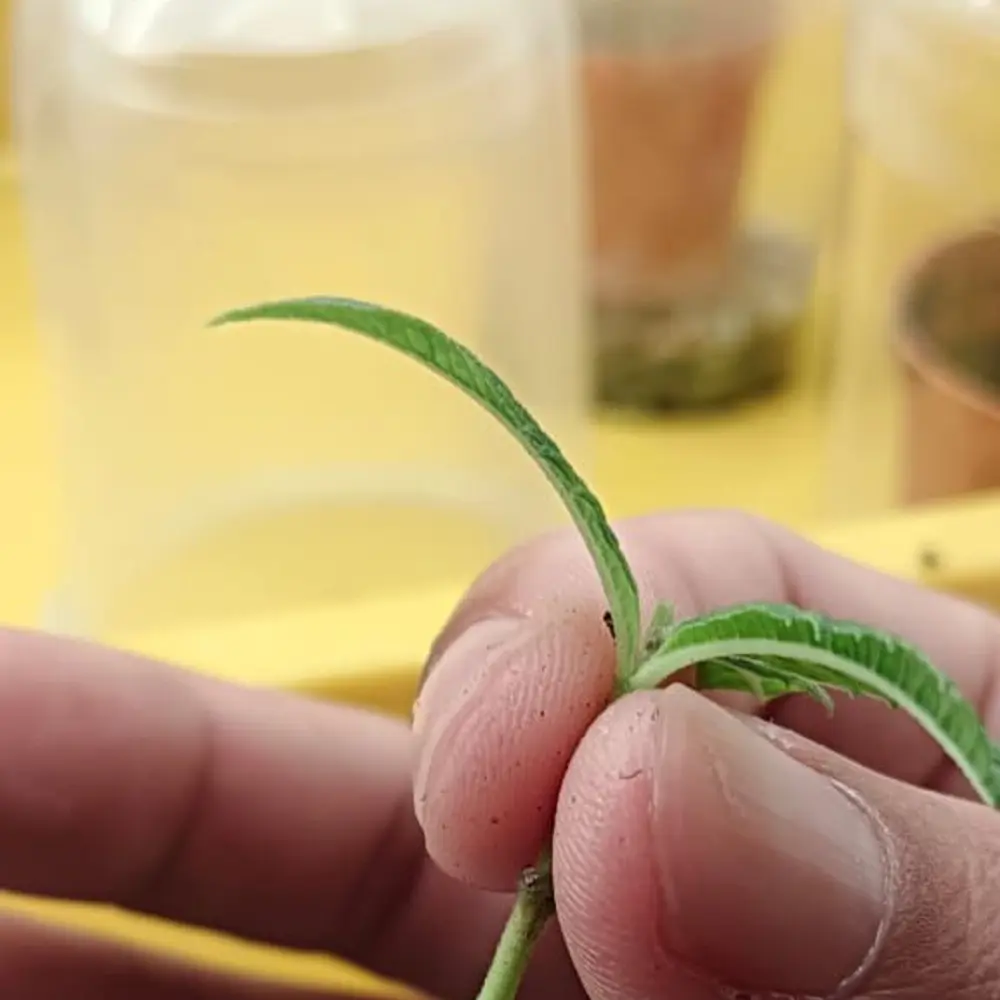
3 Budget-Friendly Lemon Verbena Landscaping Ideas 🍋
Aloysia citrodora
By the Greg Editorial Team
Jan 06, 2025•5 min read
This article was created with the help of AI so we can cover more plants for you. May contain errors. See one? Report it here.
- 🌼 Lemon Verbena enhances pathways with fragrance and visual appeal in your garden.
- 🌱 Plant 12-18 inches apart for optimal growth and sunlight exposure.
- 🌿 Container gardening allows Lemon Verbena to thrive in small spaces and patios.
Fragrant Pathway Borders
Implementation Steps (difficulty: easy)
Placement Suggestions 🌱
Position your Lemon Verbena plants 12-18 inches apart along the edges of pathways. This spacing allows for optimal growth while ensuring they receive full sun, which is essential for their vibrant foliage.
Scale and Visual Impact 🌼
To create a fuller effect, consider using multiple rows of Lemon Verbena. Staggered planting can also provide a more natural look, while varying the heights of the plants adds depth and visual interest to your pathway.
Why This Works for Lemon Verbena 🍋
The fragrant leaves of Lemon Verbena release a delightful citrus scent when brushed against. This sensory experience enhances the garden atmosphere, inviting visitors to engage and enjoy the space.
Adaptation Tips 🌿
For smaller gardens, you can use fewer plants or opt for shorter pathways to maintain balance. In larger spaces, consider wider pathways with additional plantings to create a lush, immersive experience that draws people in.
By thoughtfully implementing these fragrant pathway borders, you can transform your garden into a sensory delight that captivates all who wander through.
Container Oasis
Implementation Steps 🌱
Container Sizes and Arrangements
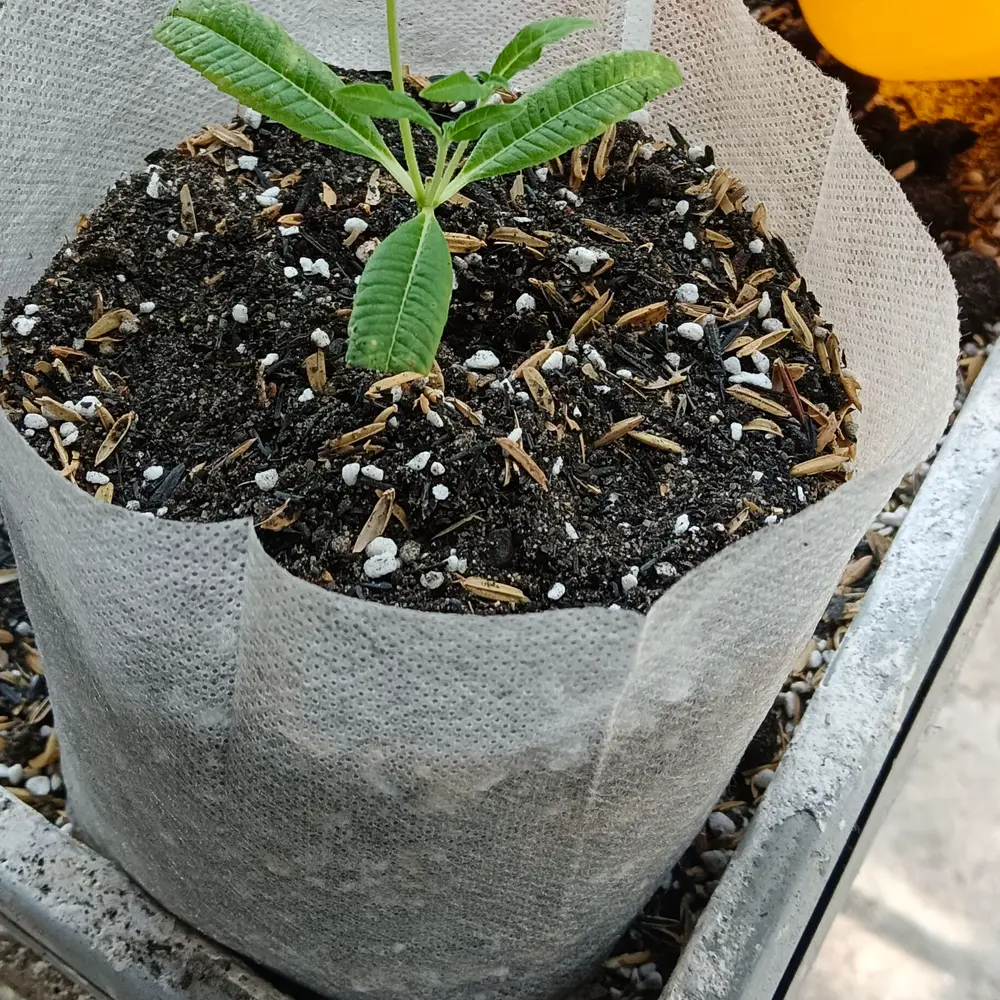
To create a thriving container oasis, start by selecting pots that are at least 12-16 inches in diameter. This size ensures healthy root growth for your Lemon Verbena.
Next, arrange your containers in clusters. This not only enhances visual impact but also creates a lively, inviting atmosphere.
Mixing with Other Plants 🌼
For a cohesive look, consider mixing Lemon Verbena with drought-tolerant plants like succulents or other herbs. This combination not only complements the vibrant foliage of Lemon Verbena but also promotes a sustainable garden.
Why This Works for Lemon Verbena 🍋
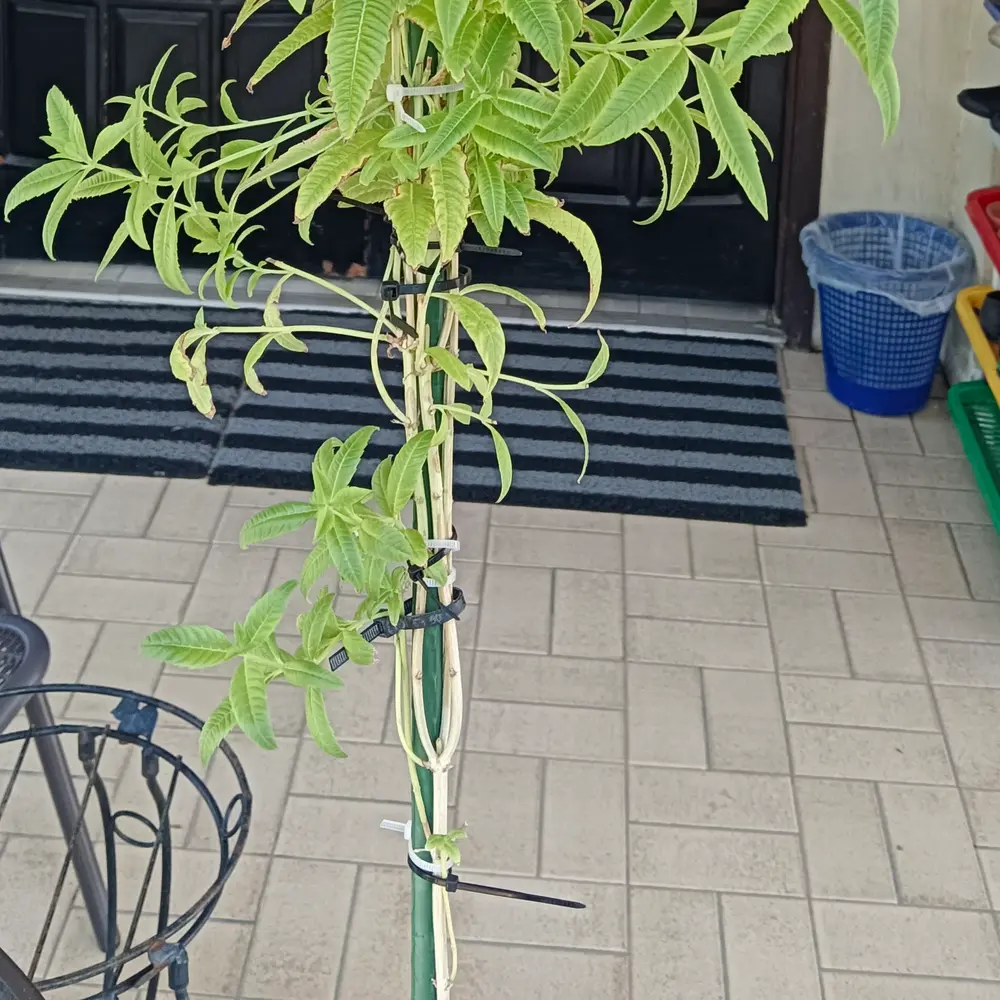
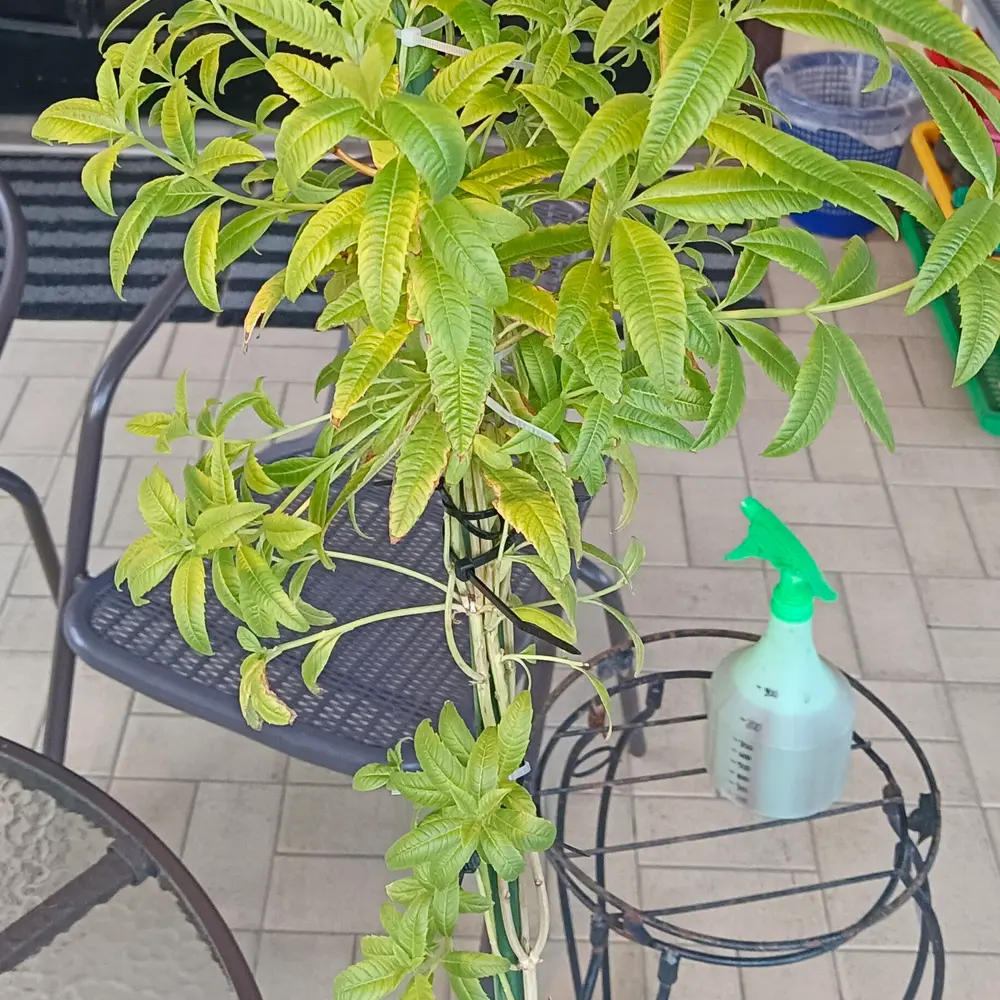
Lemon Verbena's adaptability to container gardening makes it a perfect choice for patios and small spaces. Its fragrant leaves and lush appearance can transform any area into a fragrant retreat.
Adaptation Tips 🌿
If you prefer a minimalist aesthetic, opt for single large containers that make a statement. For those who enjoy a more eclectic vibe, mixing various sizes and styles can create a dynamic and personalized garden space.
By incorporating these container oasis ideas, you can enjoy the beauty and fragrance of Lemon Verbena while maximizing your outdoor space. Now, let’s explore how to enhance visual aesthetics in your garden!
Feng Shui Garden Design
Implementation Steps 🌱
Placement Strategies
To create a serene atmosphere, position Lemon Verbena in the back or sides of your garden. This arrangement fosters a sense of enclosure and tranquility, essential for a feng shui-inspired space.
Curved lines in your planting design promote flow and harmony. These gentle curves guide the eye and create a more inviting environment.
Enhancing Tranquility and Aesthetics 💧
Incorporate water features or stones to complement your herb garden. These elements not only enhance the aesthetics but also align with feng shui principles, promoting a calming atmosphere.
Why This Works for Lemon Verbena 🌼
The calming scent and lush foliage of Lemon Verbena contribute significantly to a peaceful garden. Its aromatic leaves invite relaxation and mindfulness, making it a perfect fit for feng shui design.
Adaptation Tips 🌿
For smaller gardens, consider vertical gardening techniques or tiered planters. This approach maximizes space while maintaining the essential feng shui design elements.
By thoughtfully arranging your Lemon Verbena and incorporating complementary features, you can create a tranquil oasis that nurtures both body and spirit. Next, let’s explore how to enhance your garden's visual aesthetics with color and texture contrasts.
Visual Aesthetics
🎨 Color and Texture Contrast
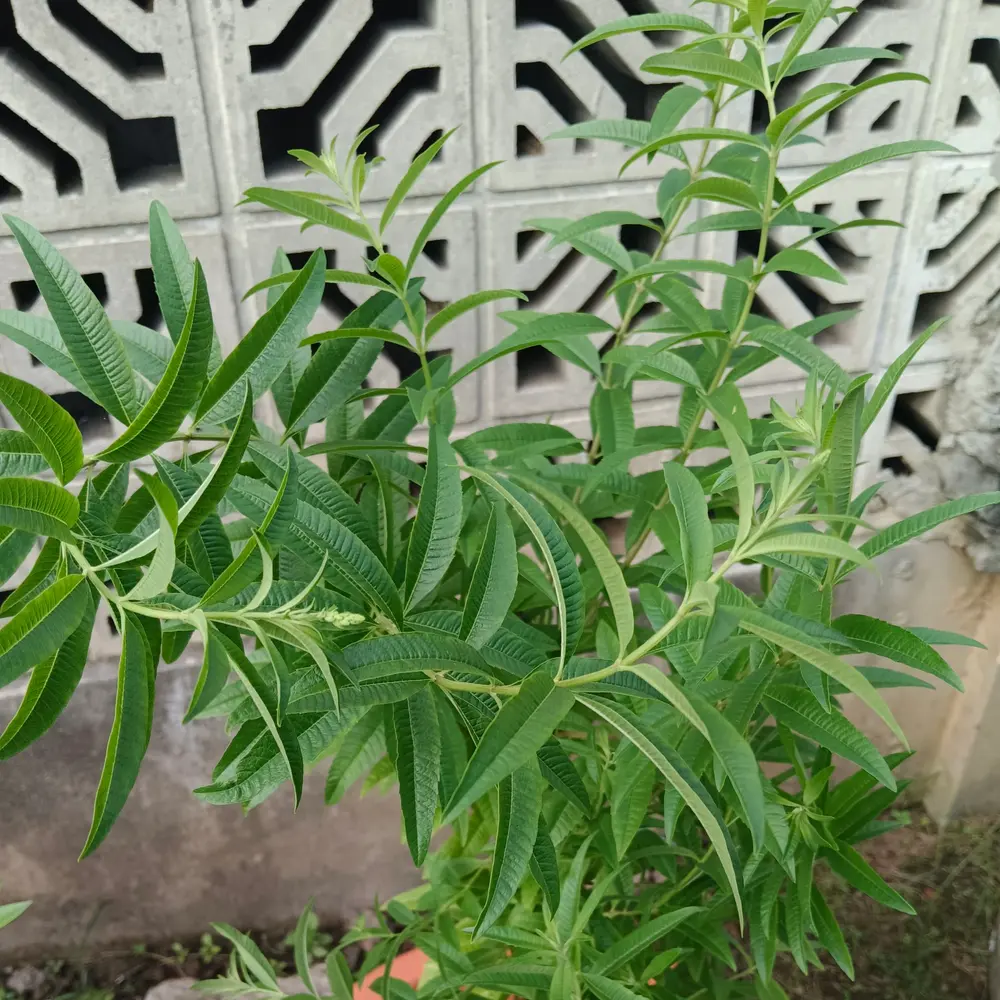
Using Lemon Verbena in your garden can create stunning visual contrasts. The lush green foliage and delicate flowers stand out beautifully against darker or more textured plants, adding depth to your landscape.
🌼 Companion Plant Suggestions
To enhance the overall aesthetic appeal, consider pairing Lemon Verbena with plants like lavender or sage. These companions not only complement the visual design but also thrive in similar growing conditions.
🎨 Creating a Cohesive Color Palette
A well-thought-out color palette can elevate your garden's beauty. Use a mix of complementary colors to create a visually striking design that draws the eye and invites exploration.
🌱 Seasonal Interest
Lemon Verbena's appearance changes with the seasons, offering a dynamic element to your garden. In summer, enjoy its lush growth, while in winter, it may enter dormancy, providing a unique seasonal rhythm.
🌟 Maintaining Visual Interest
To keep your garden lively year-round, incorporate seasonal plants or decorations. This approach ensures that your space remains vibrant and engaging, regardless of the time of year.
🛠️ Seasonal Care Tips
Proper care is essential for maintaining the vibrancy of Lemon Verbena through changing seasons. Regular pruning and attention to its needs will help ensure that it continues to thrive and contribute to your garden's beauty.
As you explore these visual aesthetics, consider how they can enhance your overall landscaping experience. Next, we’ll delve into practical implementation steps for creating a fragrant pathway border with Lemon Verbena.
⚠️ Safety First
This content is for general information and may contain errors, omissions, or outdated details. It is not medical, veterinary advice, or an endorsement of therapeutic claims.
Always consult a qualified healthcare professional before using any plant as food, medicine, or supplement.
Never eat any plant (or feed one to pets) without confirming its identity with at least two trusted sources.
If you suspect poisoning, call Poison Control (800) 222-1222, the Pet Poison Helpline (800) 213-6680, or your local emergency service immediately.
Spotted an error? Please report it here.
Create a fragrant oasis in your garden with Lemon Verbena using these budget-friendly ideas, and let Greg help you thrive with tailored care tips for your plants! 🌱