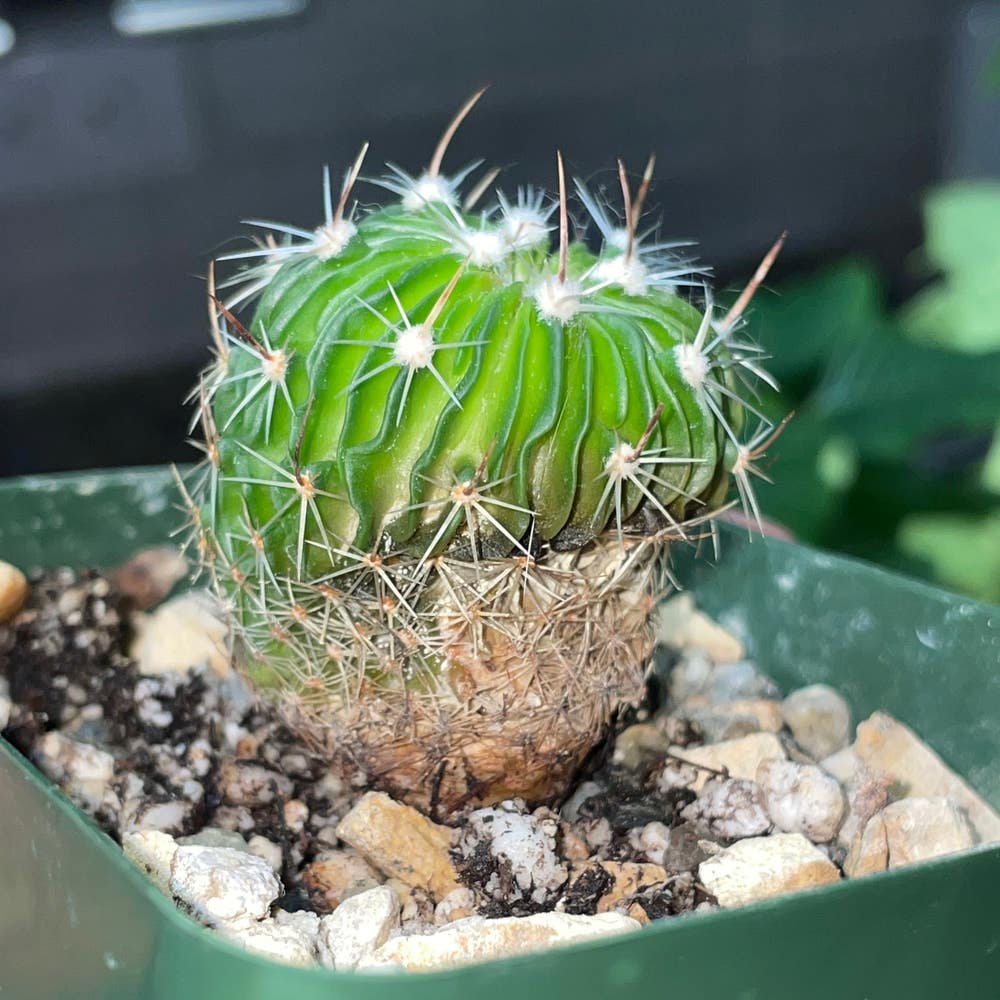
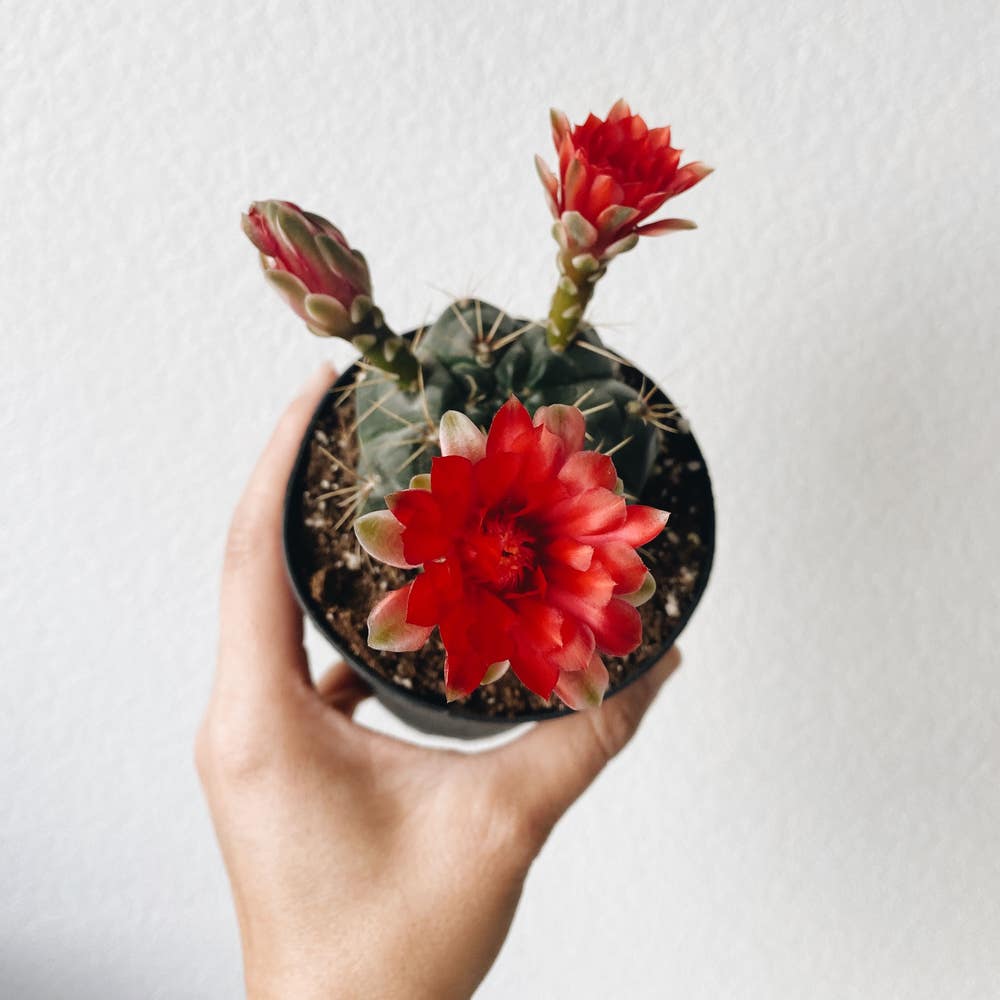
🌵 Everything You Need to Know About Thelocactus bicolor
Thelocactus bicolor
By the Greg Editorial Team
Jan 23, 2025•11 min read
This article was created with the help of AI so we can cover more plants for you. May contain errors. See one? Report it here.
Discover the beauty of Thelocactus bicolor 🌵—a stunning, low-maintenance cactus that thrives on minimal care!
- 🌞 Thelocactus bicolor needs 6+ hours of sunlight daily for optimal growth.
- 🌱 Use well-draining soil with pH 6.0-7.0 for healthy planting.
- 💧 Water every 2-3 weeks in growing season; reduce in winter.
How to Grow
Choosing the Right Location 🌞
Thelocactus bicolor thrives in full sun, requiring a minimum of six hours of direct sunlight daily. For optimal growth, maintain temperatures between 20°C to 30°C (68°F to 86°F).
Soil Preparation 🏜️
Use a well-draining cactus mix or create your own blend with potting soil, sand, and perlite. Aim for a pH level between 6.0 and 7.0, which is slightly acidic to neutral.
Planting Techniques 🌱
When planting, ensure the top of the root ball is level with the soil surface. For outdoor planting, space your cacti at least 12 inches apart to allow for healthy growth.
Watering Guidelines 🚰
During the growing season, water your Thelocactus bicolor every 2-3 weeks. In winter, reduce watering frequency, ensuring you water thoroughly until it drains from the bottom.
Fertilizing Recommendations 🍽️
Opt for a diluted cactus fertilizer with an NPK ratio of 10-10-10. Fertilize every 4-6 weeks during the growing season to support robust growth.
Pruning and Ongoing Care ✂️
Regularly prune your cactus by removing any dead or damaged parts. Keep an eye out for signs of stress or disease to ensure your plant remains healthy and vibrant.
With the right care, your Thelocactus bicolor will flourish, bringing beauty and resilience to your space. Next, let’s explore how to propagate this stunning cactus.
Propagation
🌱 Seed Propagation
Propagating Thelocactus bicolor from seeds is a rewarding process. Start by sowing seeds in a well-draining mix, keeping the soil moist and maintaining a temperature of around 21°C (70°F).
Germination typically takes 2-4 weeks, so be patient as you watch your new plants emerge. This method allows you to cultivate a variety of plants, each with its unique characteristics.
✂️ Offsets and Cuttings
Another effective way to propagate Thelocactus bicolor is through offsets and cuttings. Use a clean, sharp knife to carefully remove offsets or healthy stems from the parent plant.
After cutting, let the pieces dry for 1-2 days to form a callus. Once dried, plant them in a well-draining mix to encourage root development. This method is quick and can yield multiple new plants in no time.
With these propagation techniques, you can expand your collection or share the joy of Thelocactus bicolor with friends. Next, let’s explore the lifecycle of this fascinating cactus.
Lifecycle
Lifecycle Stages 🌱
Thelocactus bicolor is a perennial cactus, thriving for many years with the right care. Its lifecycle includes several distinct stages: seed germination, seedling stage, vegetative growth, flowering, and seed production.
Lifespan and Maturity ⏳
Under optimal conditions, this cactus can live for several decades. It typically reaches full maturity in about 3 to 5 years, showcasing its resilience and adaptability.
Growth Journey 🚀
From tiny seeds to vibrant blooms, the growth journey of Thelocactus bicolor is fascinating. Each stage plays a crucial role in its development, contributing to its overall health and beauty.
Importance of Care 🛠️
Proper care during each stage is essential for longevity. Providing the right environment ensures that this cactus not only survives but thrives, rewarding you with its stunning flowers and unique character.
As we explore the next section, we'll delve into the size of Thelocactus bicolor and what to expect as it grows.
Size
Mature Height and Spread 🌵
Thelocactus bicolor typically reaches a mature height of 12 to 18 inches (30 to 45 cm). Its spread can expand to 6 to 12 inches (15 to 30 cm) in diameter, making it a compact yet striking addition to any garden or indoor space.
Growth Rate and Size Variability 📏
This cactus has a moderate growth rate, which can be influenced by factors like light, water, and soil conditions. Size variability is common; depending on its environment and care, Thelocactus bicolor may grow larger or smaller than average.
Understanding these size characteristics helps you plan your planting space effectively. Whether you're cultivating it indoors or outdoors, knowing its potential dimensions ensures it thrives without overcrowding or competing for resources.
As we explore further, let’s dive into the fascinating lifecycle of Thelocactus bicolor and how it develops over time.
Roots
Root System Characteristics 🌱
Thelocactus bicolor features a fibrous root system that is relatively shallow. Typically, these roots extend about 6-12 inches (15-30 cm) deep, allowing the plant to absorb moisture efficiently from the surface.
Common Root-Related Issues ⚠️
One of the most common problems is root rot, which occurs due to overwatering. Symptoms include mushy roots that can lead to the plant's decline if not addressed promptly.
Another issue is becoming rootbound, which happens when the roots fill the pot. Signs of this condition include stunted growth and a plant that seems to struggle despite proper care.
Visual Cues for Healthy vs. Unhealthy Roots 👀
Healthy roots are firm, white, and spread evenly throughout the soil. In contrast, unhealthy roots appear brown, mushy, or may even emit a foul smell, indicating serious problems.
Solutions for Root Problems 🛠️
To prevent root rot, ensure your Thelocactus bicolor has proper drainage and avoid overwatering. If you notice signs of being rootbound, it's time to repot your cactus into a larger container to give those roots room to thrive.
Understanding the root system and its needs is crucial for the health of your Thelocactus bicolor. With proper care, you can enjoy a vibrant and resilient cactus for years to come.
Next, let's explore the benefits of growing this unique plant and why it deserves a spot in your garden.
Benefits
Top 5 Benefits 🌟
1. Drought-resistant
Thelocactus bicolor is a champion when it comes to water conservation. Its ability to thrive on minimal water makes it a perfect choice for arid climates.
2. Low maintenance
This cactus is a breeze to care for, making it ideal for beginners. You can enjoy its beauty without the stress of complicated care routines.
3. Aesthetic appeal
With its vibrant flowers, Thelocactus bicolor adds a splash of color to any garden or home. It's not just a plant; it's a living piece of art.
4. Air purification
Beyond its looks, this cactus contributes to better indoor air quality. It helps filter out pollutants, making your space healthier.
5. Cultural significance
In various cultures, Thelocactus bicolor symbolizes resilience and endurance. Owning one can connect you to a rich tapestry of meanings and traditions.
These benefits make Thelocactus bicolor not just a plant, but a valuable addition to your home or garden. Whether you're a seasoned gardener or just starting, this cactus offers something special.
Next, let's explore the concept of companion planting and discover which plants thrive alongside Thelocactus bicolor.
Companion Plants
🌱 Concept of Companion Planting
Companion planting is all about creating a harmonious garden environment. It enhances diversity, boosts pest management, and promotes overall plant health.
🌵 Best Companion Plants
When it comes to Thelocactus bicolor, consider pairing it with other cacti, succulents, and drought-tolerant plants. These companions share similar care needs and thrive in similar conditions, making them perfect partners in your garden.
🚫 Plants to Avoid
On the flip side, steer clear of plants that require high moisture or shade. Ferns and tropical plants can create competition for resources and may not thrive alongside your resilient Thelocactus bicolor.
Incorporating the right companions can elevate your gardening experience. By choosing wisely, you’ll foster a thriving ecosystem that benefits all your plants.
Toxicity to Humans
Thelocactus bicolor is a safe choice for your home, as it is not listed as toxic by major poison control centers. This means you can enjoy its beauty without worrying about harmful effects on humans.
However, it's important to note that ingestion in large quantities may cause mild skin irritation or digestive discomfort.
To stay on the safe side, exercise caution with any plant. If you experience unusual symptoms after contact or ingestion, seek medical advice promptly.
With proper care and awareness, you can appreciate this stunning cactus without any concerns!
Toxicity to Dogs
Thelocactus bicolor is a safe choice for dog owners. It is not listed as toxic by veterinary organizations, so you can breathe easy knowing your furry friend can roam around it without risk.
However, it's worth noting that excessive consumption might lead to mild gastrointestinal upset. To prevent any mishaps, keep the plant out of reach of curious dogs.
🌿 Proper Placement
Positioning your cactus wisely can help avoid any potential issues. A high shelf or a spot that’s hard for your dog to access is ideal.
👀 Monitoring Behavior
Always keep an eye on your dog's interactions with the plant. If you notice any unusual interest, it might be time to reassess its placement.
With a little care, you can enjoy the beauty of Thelocactus bicolor while ensuring your dog's safety. Now, let’s explore how this cactus interacts with our feline friends!
Toxicity to Cats
Thelocactus bicolor is non-toxic to cats, according to major pet poison control centers. This means you can enjoy this vibrant cactus without worrying about your feline friends getting sick.
However, if a cat consumes too much of the plant, it may experience mild gastrointestinal upset. It's always a good idea to keep an eye on your pet's behavior after they've interacted with the cactus.
🐱 Proper Placement
To ensure safety, position your Thelocactus bicolor out of reach of curious cats. This simple step can prevent any potential nibbling and keep your plant thriving.
👀 Monitoring Behavior
Regularly observe your cat for any unusual interactions with the plant. If you notice them showing excessive interest, consider relocating the cactus to a higher spot or a different room.
In summary, Thelocactus bicolor is a safe choice for cat owners, but a little precaution goes a long way in keeping both your pet and your plant happy. Now, let’s explore the potential problems that can arise with this resilient cactus.
Problems
🧐 Recognizing Unhealthy Plants
Identifying an unhealthy Thelocactus bicolor is crucial for its survival. Look for signs of distress such as wilting, discoloration, or stunted growth.
⚠️ Common Issues
Understanding common problems can help you keep your cactus thriving. Here are the top issues to watch for:
Incorrect watering: Overwatering leads to mushy roots, while underwatering results in a dry, shriveled appearance.
Incorrect light conditions: Insufficient light can cause leggy growth, making your cactus look weak and stretched.
Incorrect temperature: Exposure to extreme cold can damage your cactus, so keep it in a warm environment.
Diseases: Fungal issues like powdery mildew or root rot can develop if conditions are not ideal.
Growth problems: If your cactus isn't growing, appears to be leaning, or shows signs of etiolated growth, it may need immediate attention.
By staying vigilant and addressing these issues promptly, you can ensure your Thelocactus bicolor remains healthy and vibrant. Next, let’s explore the potential pests that could threaten your cactus's well-being.
Bugs
Potential Pest Issues 🐜
While Thelocactus bicolor is generally resilient, it can still fall victim to certain pests. Keeping an eye out for these nuisances is crucial to maintaining your cactus's health.
Common Pests 🐞
Spider Mites
Spider mites are tiny but can wreak havoc on your cactus. Look for webbing and stippled leaves as telltale signs of their presence.
Scale Insects
Scale insects are identifiable by their hard, shell-like appearance on stems. They can sap the plant's vitality, so prompt action is essential.
Mealybugs
Mealybugs appear as cotton-like masses on plant surfaces. These pests can weaken your cactus, making it vital to remove them quickly.
Aphids
Aphids are small, green insects that cause leaf curling. Their rapid reproduction can lead to significant damage if not addressed.
By staying vigilant and addressing pest issues promptly, you can ensure your Thelocactus bicolor thrives. Next, let’s explore what animals might pose a threat to your cactus and how to deter them effectively.
What Eats
Common Animals That May Damage 🐾
Thelocactus bicolor can attract a variety of hungry critters.
Deer: Look for chewed fronds and droppings nearby as signs of their visit.
Rabbits: Evidence of nibbling on the lower parts of the plant indicates their presence.
Squirrels: These little diggers might be found around the base, either digging or chewing on the plant.
Rodents: Signs of tunneling or nibbling on roots can signal a rodent problem.
Deterrent Methods 🚫
Protecting your cactus from these pests is crucial for its health.
Chemical deterrents: Consider using commercial repellents or homemade solutions to keep animals at bay.
Organic control methods: Fencing, planting deterrent plants, or using motion-activated devices can effectively deter unwanted visitors.
By being proactive, you can ensure your Thelocactus bicolor thrives without the threat of hungry animals. Next, let’s explore the potential pest issues that can affect your cactus.
⚠️ Safety First
This content is for general information and may contain errors, omissions, or outdated details. It is not medical, veterinary advice, or an endorsement of therapeutic claims.
Always consult a qualified healthcare professional before using any plant as food, medicine, or supplement.
Never eat any plant (or feed one to pets) without confirming its identity with at least two trusted sources.
If you suspect poisoning, call Poison Control (800) 222-1222, the Pet Poison Helpline (800) 213-6680, or your local emergency service immediately.
Spotted an error? Please report it here.
Help your Thelocactus bicolor thrive for decades with Greg's customized care tips 🌵 and watering reminders, ensuring it gets the sunlight and nutrients it craves!