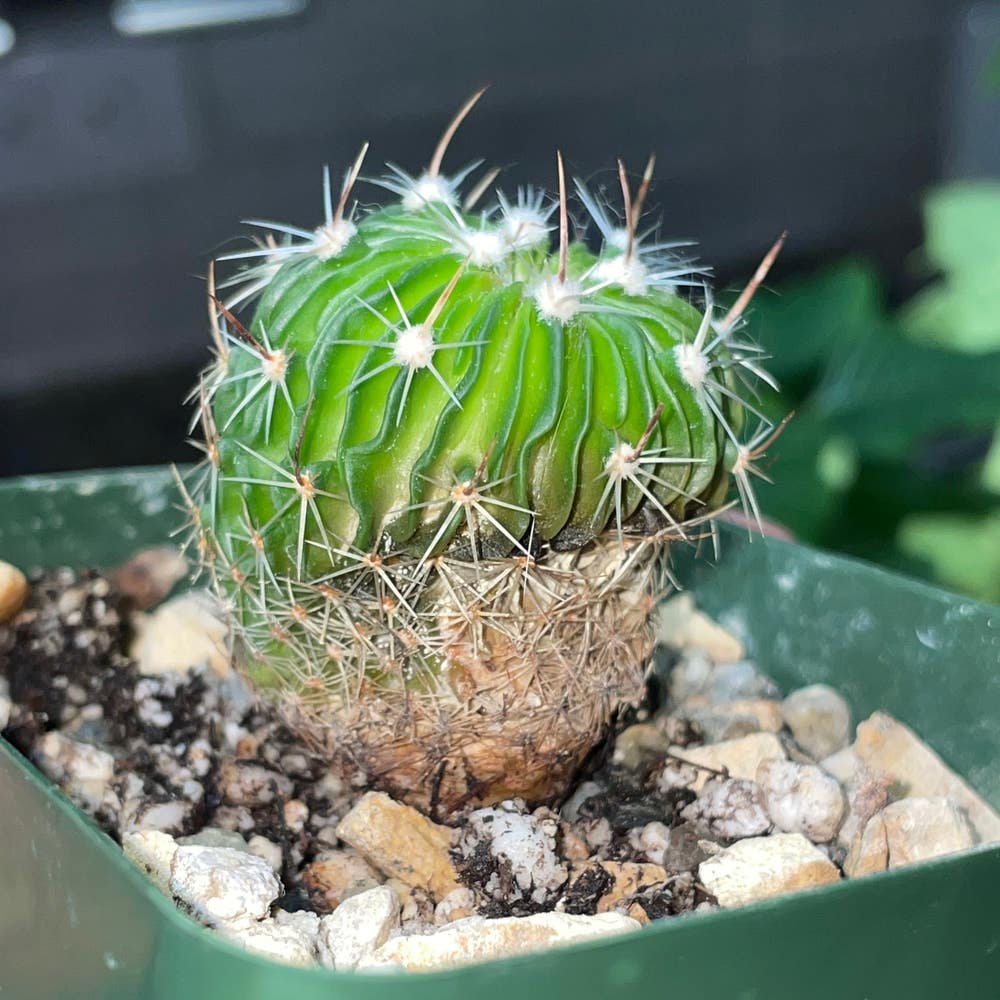
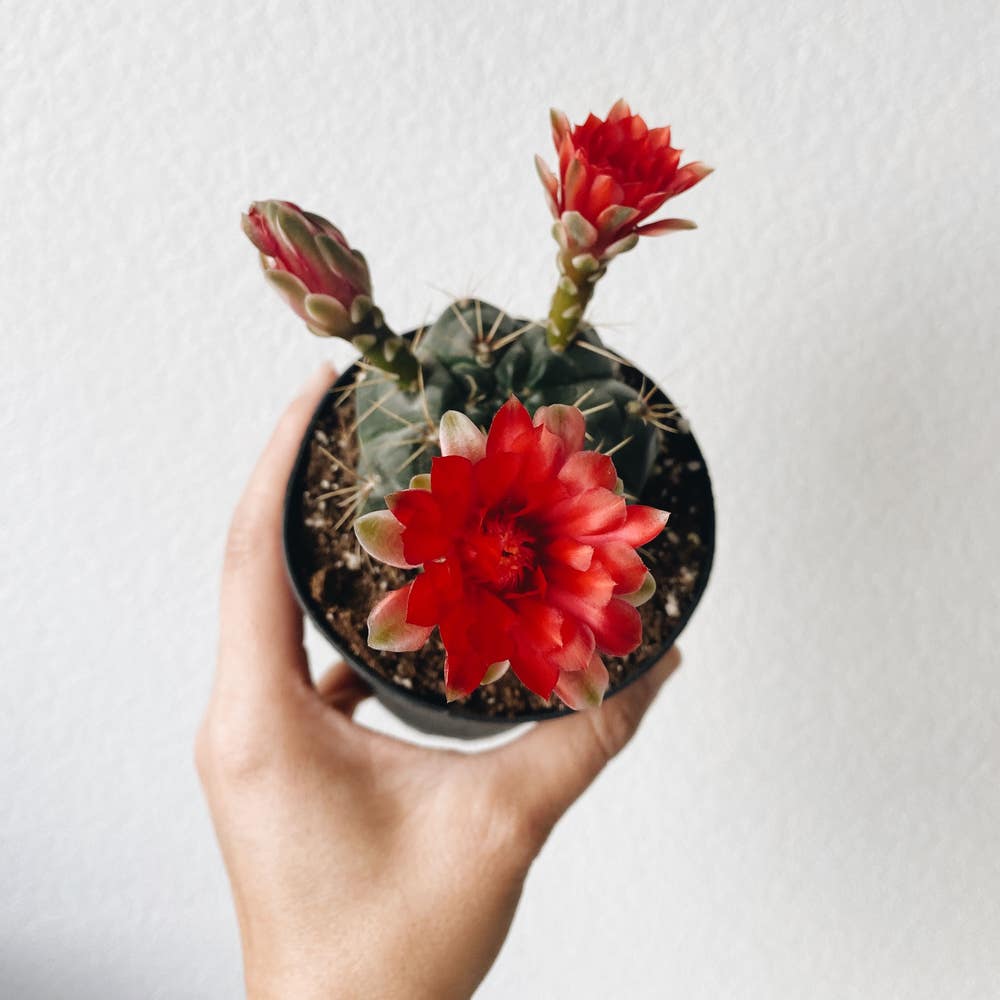
How to Know When to Repot a The Glory of Texas?
Thelocactus bicolor
By the Greg Editorial Team
Jun 18, 2024•5 min read
This article was created with the help of AI so we can cover more plants for you. May contain errors. See one? Report it here.
Discover the secret to a flourishing Glory of Texas 🌵 by mastering the timely art of repotting!
- Roots peeking out? Time to repot The Glory of Texas.
- 🌱 Spring repotting aligns with natural growth cycles.
- Choose terracotta for breathability, but watch watering needs.
Spotting the Telltale Signs It's Time to Repot
🌱 Root clues that scream "new home needed!"
Roots making a break for it outside the pot? That's your cue. When roots peek out of drainage holes or wrap around the soil surface, they're not exploring—they're suffocating. It's time to give them the space they desperately need.
📉 When your plant's growth hits a plateau
Is your plant's growth stalling like a car in heavy traffic? If new leaves are as rare as an honest politician, consider this a sign. Your plant isn't lazy; it's root-bound. It's silently begging for a bigger home where it can stretch out and grow.
💧 The watering conundrum: Too fast, too furious?
Watering shouldn't feel like you're pouring it straight through a sieve. If the soil dries faster than your favorite influencer's latest scandal, take note. This isn't just a minor inconvenience; it's a red flag. Your plant's roots are too cramped to retain moisture properly.

Choosing the Best Season for the Big Move
🌱 Syncing repotting with The Glory of Texas's growth spurt
Spring is your magic window for repotting The Glory of Texas. This plant, like many others, kicks off its growth spurt as the frost recedes and the days get longer. Repotting during this time aligns with the plant's natural cycle, giving it a chance to establish itself in its new home before the summer heat hits full throttle.
❄️ Why winter is a no-go zone for repotting
Steer clear of winter when it comes to repotting. This season is the plant's downtime, a period for conserving energy, not for dealing with the stress of a move. Plus, cold soil can shock the roots, making it harder for your plant to recover. It's like asking someone to run a marathon right after waking up—just unfair.

The Repotting Rundown: A Step-by-Step Guide
🌱 Gently freeing your plant from its old abode
To liberate your Glory of Texas from its snug pot, start by tipping the container sideways and gently coaxing the plant out. If it resists, give the pot a few empathetic squeezes or taps to loosen the grip without turning into a plant bully.
🌿 Root health check-up and spa treatment
Once free, it's time for a root intervention. Healthy roots boast a firm texture and a vibrant white color. If you spot any black or mushy offenders, it's pruning time—be as precise as a surgeon. Disentangle any roots doing the tango and give them a trim. A few strategic snips can encourage new growth, but don't get scissor-happy.
🏡 Picking the perfect-sized new pot
Choosing a new pot is like picking out a new apartment—it needs to be just right. Aim for a pot that's 1-2 inches larger in diameter; this gives your plant room to grow without drowning in excess soil. Ensure it has drainage holes to avoid soggy disasters. Remember, your plant's not throwing a pool party down there.

Picking the Right Pot: Material Matters
🏺 Terracotta vs. Ceramic: The Breathable Champions
Terracotta pots are the unsung heroes of the plant world. They're porous, allowing roots to breathe and excess moisture to escape, which is crucial for preventing root rot. Frequent watering may be needed, though, as they can dry out soil quickly.
Ceramic pots add a touch of elegance to your plant collection. They're similar to terracotta in weight and breathability, especially if unglazed. However, the glazing can reduce their porosity, so it's essential to check for drainage holes to avoid waterlogging.
🥤 Plastic Pots: A Potentially Problematic Pick
Plastic pots are lightweight and retain moisture, which can be a boon or bane. They're a low-maintenance option for the forgetful waterers but can spell disaster for those with a heavy hand on the watering can. Plus, they're not the best for air circulation around the roots.
🚰 Ensuring Drainage is Top-Notch
Regardless of material, drainage is non-negotiable. A pot without holes is like a bathtub without a drain – waterlogged and unhappy. Consider adding a layer of gravel at the bottom to enhance drainage, ensuring your Glory of Texas doesn't sit in soggy soil.
Post-Repotting Care: Helping Your Plant Settle In
💧 The first watering: Not too much, not too little
After the repotting hustle, water your plant thoroughly—just once. Then, let the top inch of soil dry out before the next watering. Overzealous watering is a rookie mistake; keep it on the drier side to avoid a soggy soil fiasco.
🌞 Finding the sweet spot for light and temperature
Maintain a stable temperature and good airflow around the plant. Extreme temperature fluctuations are a no-no. Keep it in a cozy spot, away from drafts, to ensure a smooth transition. Light-wise, avoid direct sunlight for the first few weeks post-repotting to prevent stress and potential leaf burn.
🕰 Monitoring and adjusting care in the following weeks
Keep a close eye on your plant for signs of a post-repotting slump. Yellow or brown leaves are your cue that something's off. If the soil feels like a swamp, cut back on the watering. If it's drier than a desert, it's time to up your watering game. Rotate the pot occasionally to promote even growth and prevent your plant from getting a lopsided 'do. Remember, patience is key. Your plant's roots need time to spread out and settle in before it can get back to its usual show-stopping self.
⚠️ Safety First
This content is for general information and may contain errors, omissions, or outdated details. It is not medical, veterinary advice, or an endorsement of therapeutic claims.
Always consult a qualified healthcare professional before using any plant as food, medicine, or supplement.
Never eat any plant (or feed one to pets) without confirming its identity with at least two trusted sources.
If you suspect poisoning, call Poison Control (800) 222-1222, the Pet Poison Helpline (800) 213-6680, or your local emergency service immediately.
Spotted an error? Please report it here.
Ease your The Glory of Texas 🌵 into a spacious new pot with Greg's custom reminders and pot-sizing wizard, ensuring a stress-free transition and vibrant growth.