What Is A Good Temperature Range For My The Glory of Texas?
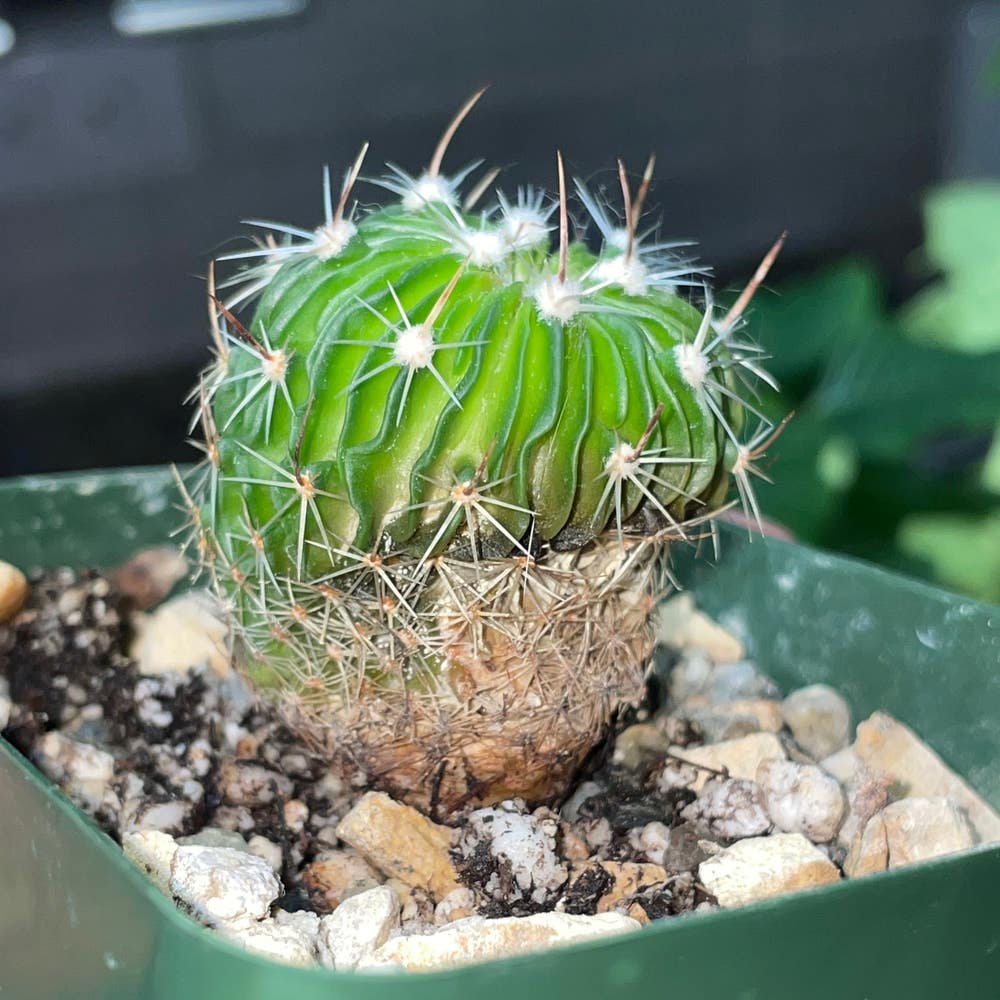
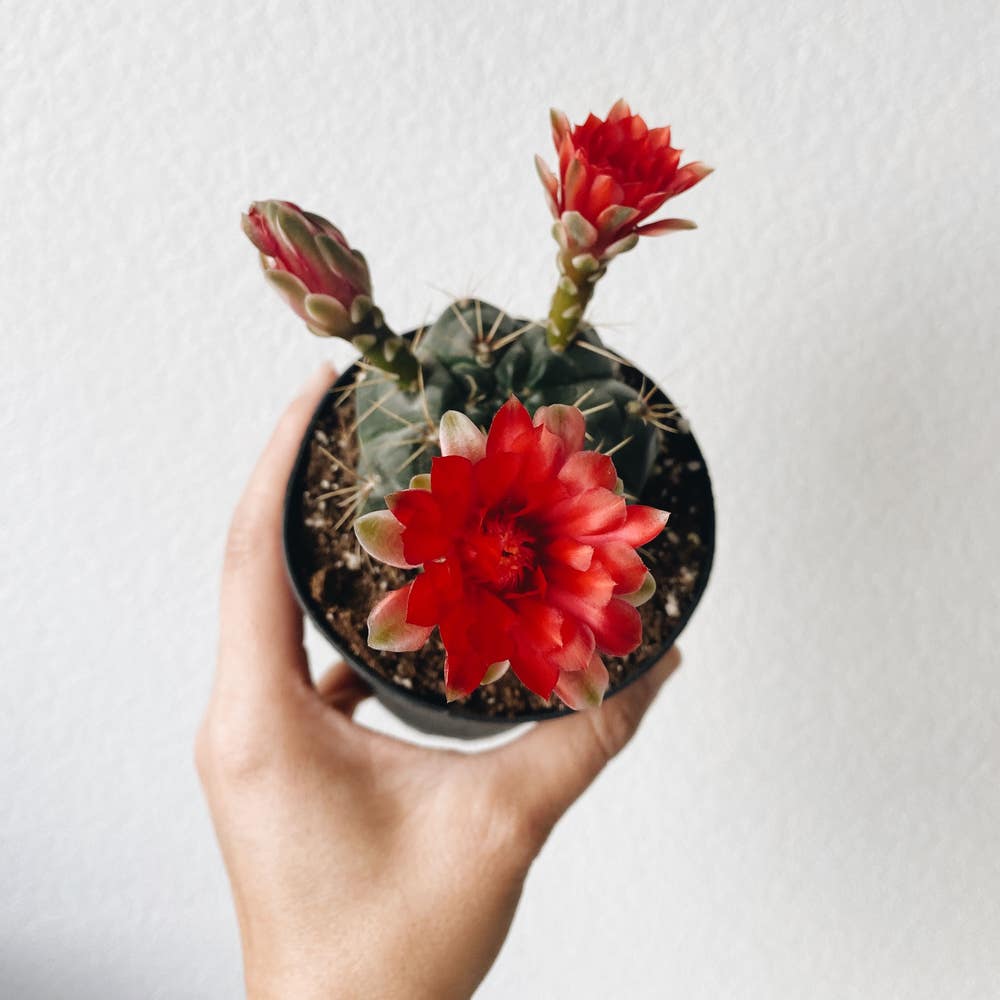
Thelocactus bicolor
By the Greg Editorial Team
Jun 18, 2024•3 min read
This article was created with the help of AI so we can cover more plants for you. May contain errors. See one? Report it here.
Discover the secret to a flourishing "The Glory of Texas" by nailing the perfect 65-75°F range! 🌡️🌿
- 65-75°F (18-24°C) is the sweet spot for "The Glory of Texas."
- 🌡️ Monitor temperature and humidity with a thermometer and hygrometer.
- Adjust location and humidity to protect from drafts, sunlight, and HVAC vents.
Section

When Temperatures Go Awry
🌡️ Spotting the Signs of a Shiver or a Sweat
Wilted leaves or stunted growth are distress signals from "The Glory of Texas" when temperatures aren't right. In the heat, leaves may crisp at the edges; in the cold, they might drop or show dark, water-stained patches.
🚨 Immediate Actions to Take
If "The Glory of Texas" is too hot, move it to a cooler spot and ensure it's hydrated. For cold stress, relocate to a warmer area away from drafts. Regular temperature checks with a thermometer can prevent these issues, so keep one handy.

The Usual Suspects of Temperature Trouble
🌡️ Common Indoor Culprits
Indoor environments can be minefields for temperature-sensitive plants like "The Glory of Texas". Drafts from windows or doors can ambush your plant with cold blasts or hot gusts, depending on the weather outside. Heating and cooling vents are also stealthy offenders, often creating pockets of air that are too warm or too cool, disrupting the plant's comfort zone.
To combat these issues, strategically place your plant away from these areas. Consider using draft stoppers or rearrange your furniture to shield your plant from direct exposure to these elements. Regular temperature monitoring with a reliable thermometer can help you detect and address these microclimates before they become problematic.
🌞 Outdoor Elements to Watch Out For
When "The Glory of Texas" ventures outdoors, it faces a different set of challenges. Direct sunlight can be too intense, causing the plant to overheat, while shaded areas might become too cool, especially at night.
Create a microclimate that offers protection from the midday sun, perhaps with the use of shade cloths or by positioning the plant under a canopy. On the flip side, during cooler months, ensure the plant is shielded from frost and has enough warmth to thrive. Adaptability is key; be prepared to move your plant to more suitable locations as the seasons change.

A Quick Nod to Humidity
💦 Balancing Humidity with Temperature
Humidity is crucial for "The Glory of Texas," but it's a fickle friend.
💧 The Humidity Sweet Spot
50% humidity is the magic number. It's not just a good idea; it's the benchmark. Too low, and the plant's leaves may curl or get crispy tips. Too high, and you're sending out invites for a fungal fiesta.
🌡️ Humidity's Relationship with Temperature
Remember, humidity and temperature are in a constant dance. As the temperature rises, so does the capacity for air to hold moisture.
📊 Monitoring Made Easy
Get a hygrometer. It's not just a fancy gadget; it's your plant's health barometer.
🏠 The Indoor Humidity Battle
Indoors, your heating or cooling systems can turn your place into a desert or a swamp. Keep an eye out and adjust accordingly.
🌳 Outdoor Humidity Hazards
Outdoors, Mother Nature plays by her own rules. If "The Glory of Texas" is basking outside, watch out for those muggy days that can spell trouble.
🌬️ Humidity Control: A Must-Do
Humidifiers and dehumidifiers are your sidekicks in this quest. But like any sidekick, they need supervision. Overdo it, and you'll regret it.
💦 Humidity: Not Just a Number
It's not about hitting a target; it's about consistency. A steady humidity level is like a security blanket for your plant.
⚠️ Safety First
This content is for general information and may contain errors, omissions, or outdated details. It is not medical, veterinary advice, or an endorsement of therapeutic claims.
Always consult a qualified healthcare professional before using any plant as food, medicine, or supplement.
Never eat any plant (or feed one to pets) without confirming its identity with at least two trusted sources.
If you suspect poisoning, call Poison Control (800) 222-1222, the Pet Poison Helpline (800) 213-6680, or your local emergency service immediately.
Spotted an error? Please report it here.
Keep your "The Glory of Texas" plant happy and healthy by letting Greg gently guide 🌡 your home's microclimate adjustments for its best performance.