🌞 Does My The Glory of Texas Need Direct Sunlight?
Thelocactus bicolor
By the Greg Editorial Team
Jun 18, 2024•3 min read
This article was created with the help of AI so we can cover more plants for you. May contain errors. See one? Report it here.
Nurture a radiant Glory of Texas by mastering its sunlight needs 🌞—your green thumb's new best friend! 🌿
- 🌞 Direct sunlight needed, but watch for leaf discoloration.
- Window orientation matters: South-facing for intense light, adjust by hemisphere.
- Seasonal and age adjustments ensure optimal sunlight year-round.
Sunlight Decoded for The Glory of Texas
🌞 What Exactly is Direct Sunlight?
Direct sunlight is the full-on glare of the sun, hitting a plant without any filters or barriers. Think of it as standing outside at noon on a clear day. Indirect sunlight, meanwhile, is like the light that fills a room when the curtains are drawn – present, but muted.
🌞 The Glory of Texas' Sunlight Preferences
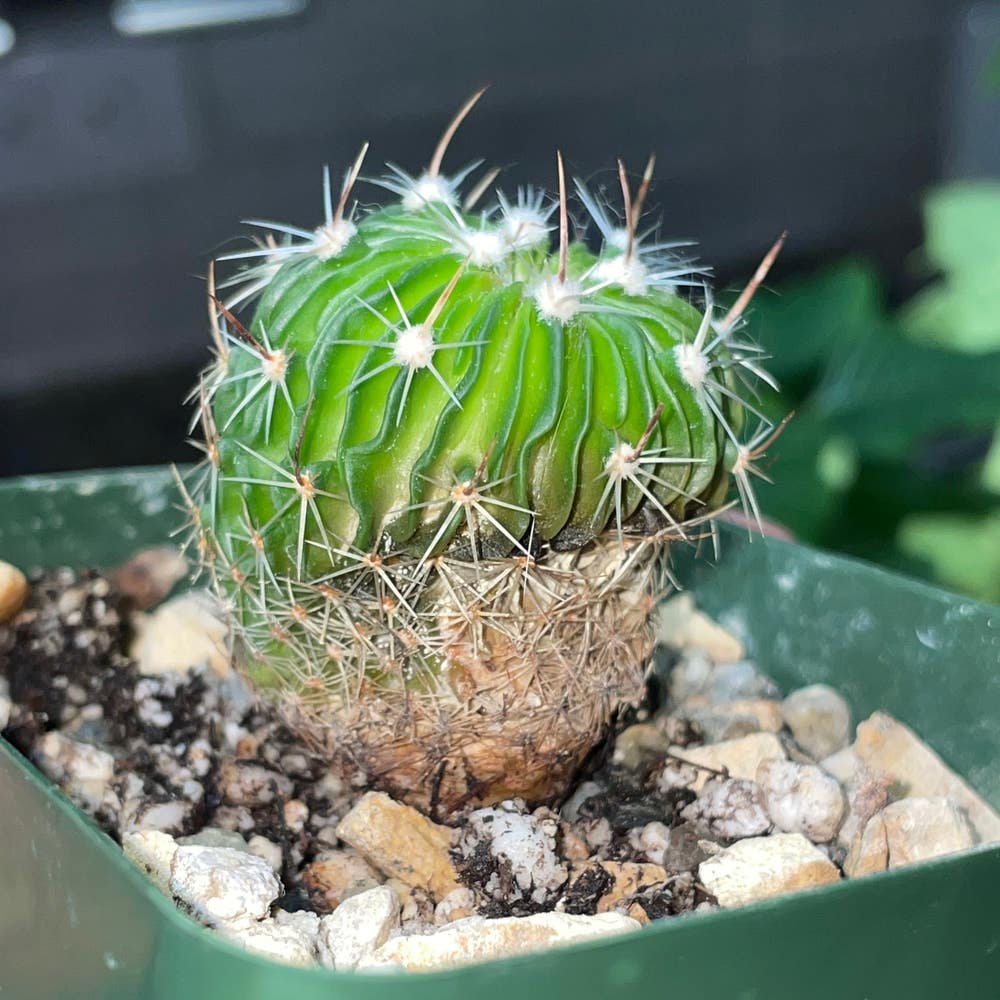
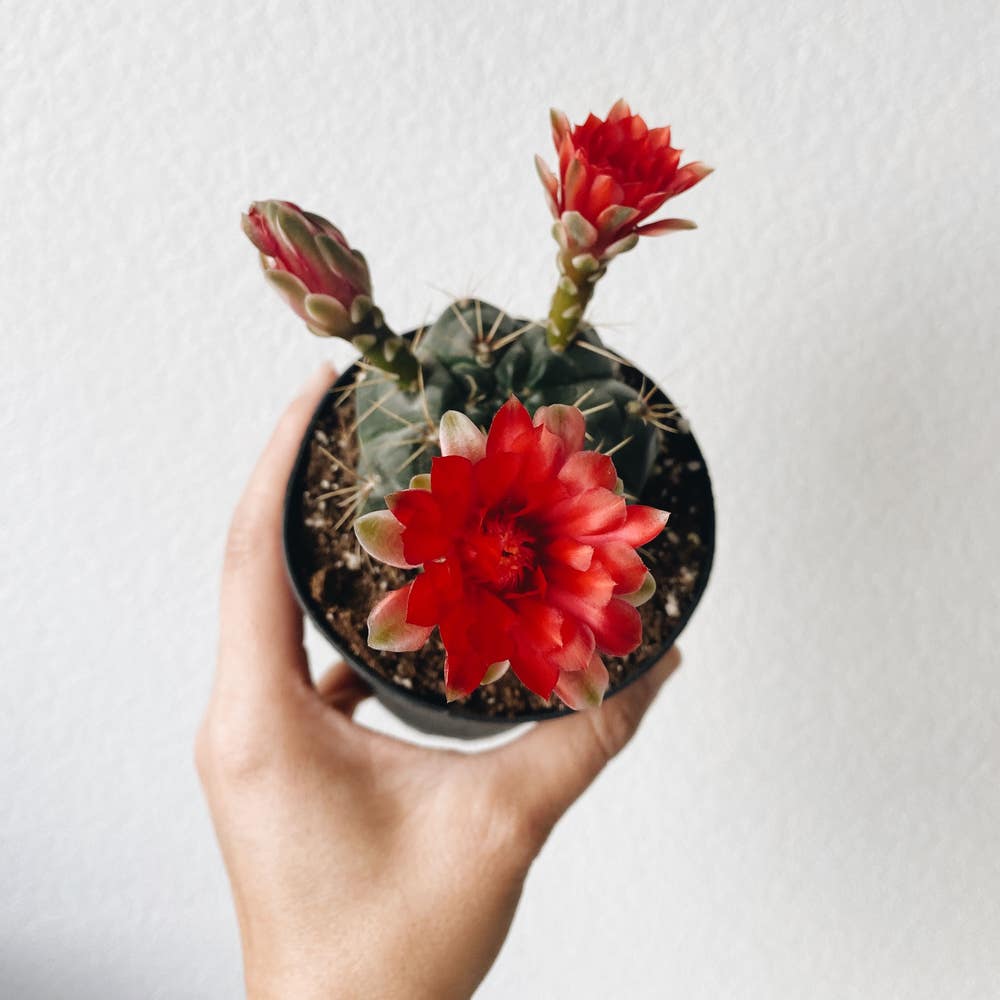
The Glory of Texas thrives in full sun. It's a sun worshipper that prefers to bask in the unobstructed rays of our closest star. However, it's crucial to monitor for signs of distress, such as discoloration, which could indicate too much of a good thing.

Home Sweet Home: Window Directions and The Glory of Texas
🧭 The Window Compass
Navigating your home's window orientation is crucial for The Glory of Texas. North-facing windows offer the least intense light, suitable for many plants but perhaps not enough for this sun-loving species. South-facing windows can be a sun trap, providing the most intense light, which The Glory of Texas craves. East-facing windows greet the day with gentle morning sun, while west-facing windows serve up a stronger dose of afternoon rays.
🌍 Hemisphere Highlights
Your geographic location significantly affects how The Glory of Texas experiences sunlight. In the northern hemisphere, south-facing windows are the VIP seats for sun exposure. Conversely, in the southern hemisphere, north-facing windows take that role. Adjust your plant's position with the changing seasons to ensure it gets the right amount of light year-round.

Tailoring Sunlight for Your Glory of Texas
🌞 Age and Health: Growing Up in the Sun
The Glory of Texas demands a delicate balance of sunlight throughout its life. Young plants flourish with some filtered shade, protecting their tender forms from harsh rays. As they mature, these plants crave the full sun to thrive, mirroring their natural, rugged habitats. Regularly assess your plant's health; robust growth and vibrant colors indicate your sunlight strategy is on point.
🌞 Seasonal Sun Shifts
Sunlight isn't static, and neither should your plant's exposure be. Winter may have you cozying your cactus closer to the window to bask in the season's weaker sunlight. Come summer, the sun's intensity calls for a tactical retreat to prevent your Glory of Texas from becoming a crispy critter. It's all about the seasonal shuffle—stay responsive to your plant's needs as the earth tilts and turns.

Sunlight Management: Tips and Tricks
🌞 Finding the Perfect Spot
Location is crucial for The Glory of Texas. It thrives in full sun, but not all sunny spots are created equal.
- Rotate your plant to ensure even exposure.
- Observe the light throughout the day; morning sun is often gentler.
- Avoid placing your plant in harsh midday light that can scorch its leaves.
🌞 When the Sun's Too Strong
Even sun lovers like The Glory of Texas need protection on those blazing days.
- Sheer curtains can soften the intensity of direct sunlight.
- Consider a shade cloth for outdoor plants to prevent leaf burn.
- Monitor your plant for signs of stress, such as wilting or discoloration, and act quickly to adjust its position.
⚠️ Safety First
This content is for general information and may contain errors, omissions, or outdated details. It is not medical, veterinary advice, or an endorsement of therapeutic claims.
Always consult a qualified healthcare professional before using any plant as food, medicine, or supplement.
Never eat any plant (or feed one to pets) without confirming its identity with at least two trusted sources.
If you suspect poisoning, call Poison Control (800) 222-1222, the Pet Poison Helpline (800) 213-6680, or your local emergency service immediately.
Spotted an error? Please report it here.
Watch your The Glory of Texas 🌞 flourish by letting Greg tailor care reminders to your home's unique sunlight, ensuring your plant gets just the right amount of rays.