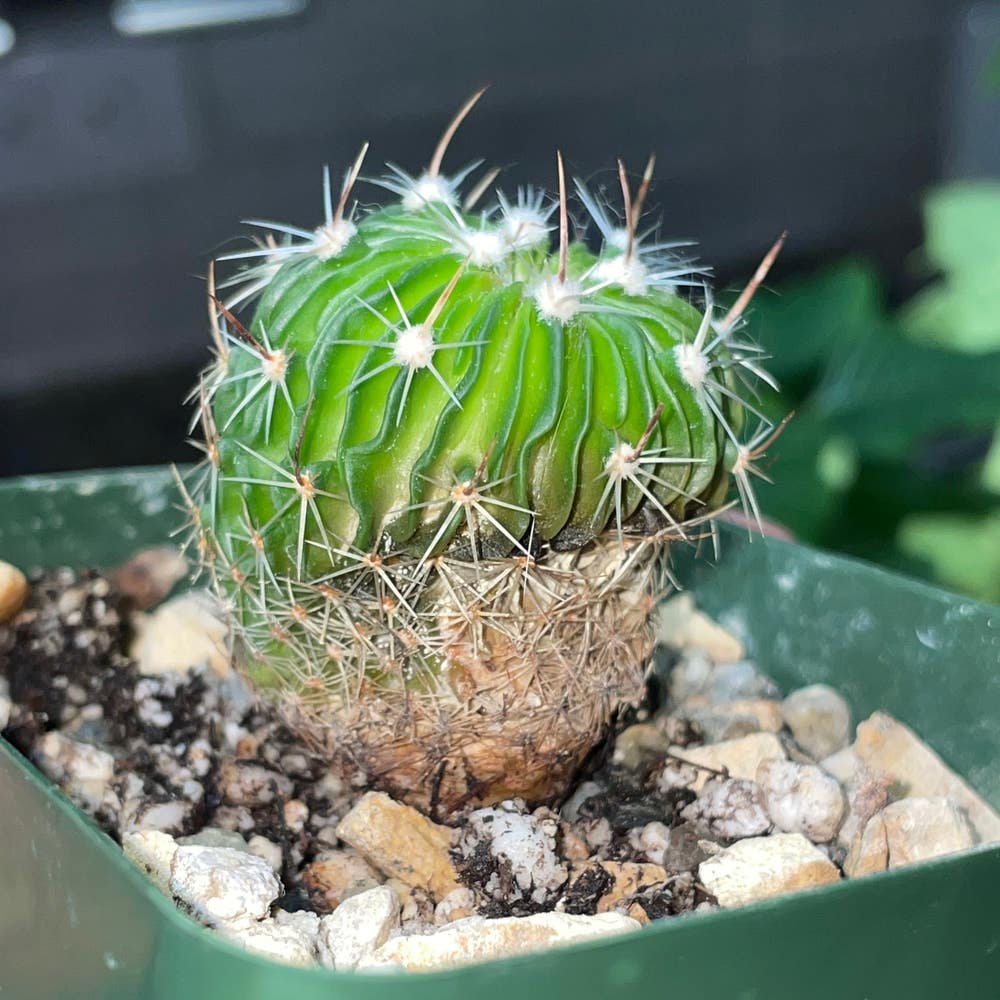
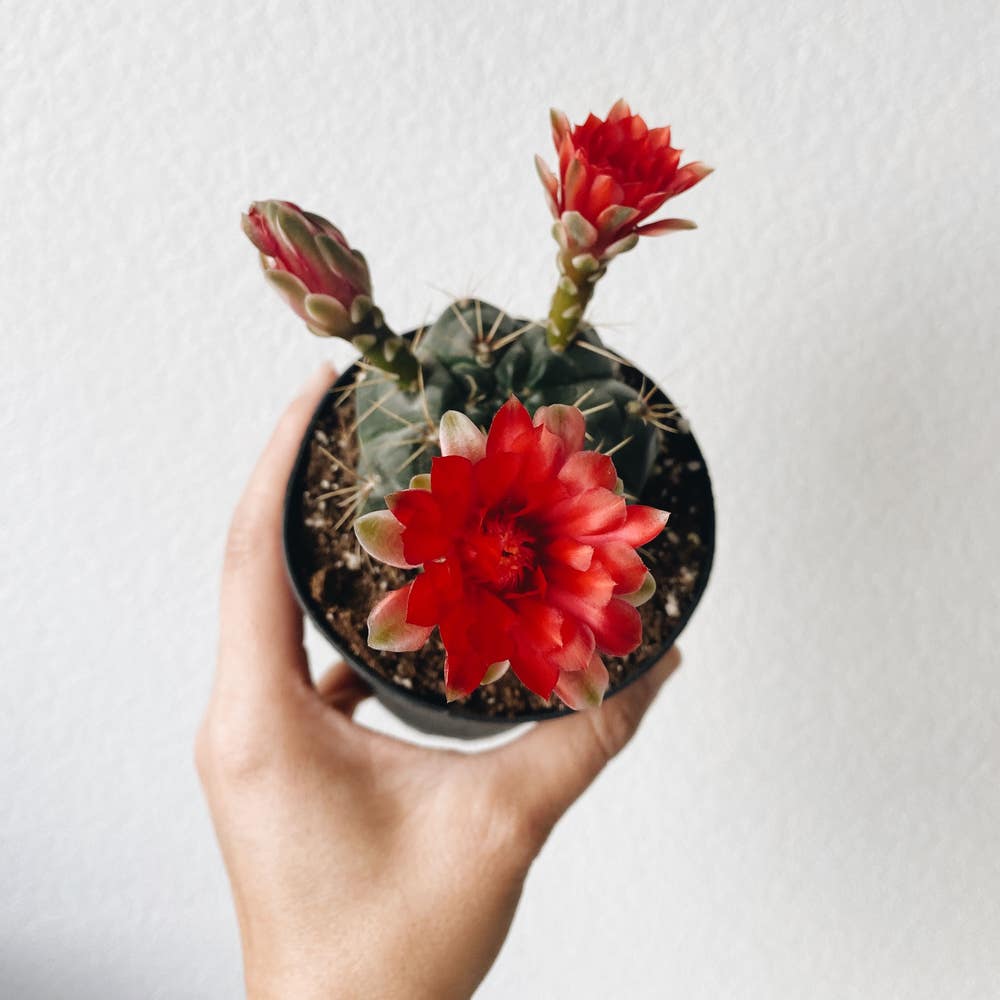
Propagating The Glory of Texas: The Ultimate Guide
Thelocactus bicolor
By the Greg Editorial Team
Jun 18, 2024•4 min read
This article was created with the help of AI so we can cover more plants for you. May contain errors. See one? Report it here.
Propagate The Glory of Texas 🌟 effortlessly with this guide, and see your garden thrive like never before! 🌿
- Healthy stems and sanitized tools are key for propagation success.
- Rooting hormone boosts growth; maintain moisture without overwatering.
- Air layering and division offer alternative propagation methods.
Snip & Root: Propagation via Stem Cuttings
🌱 Choosing the Right Stem: What to Look For
Healthy stems are your ticket to propagation paradise. Target those that are robust and blemish-free, with vibrant leaves hinting at vigor. Disinfect your shears—think surgical cleanliness—then make your move just below a node.
🌿 Prepping Your Cuttings: A Step-by-Step Guide
- Sanitize your tools—no exceptions.
- Snip a 4-6 inch length, ensuring a 45-degree angle cut for maximum water uptake.
- Strip the lower leaves to dodge rot, keeping the top ones for photosynthesis.
- Make a hole in the soil, pop the cutting in, and firm it up like you mean it.
🌱 Rooting Hormone Magic: How and When to Use It
Rooting hormone isn't a must, but it's like a growth turbocharger. Dip the cut end before planting, and watch those roots get down to business. Natural alternatives? Honey and cinnamon have got your back.
🌱 Initial Care for Your Cuttings: Ensuring a Strong Start
Keep the soil moist, not soggy—cuttings are not fans of swampy beds. Shield them from direct sunlight, and give them a gentle introduction to the real world. Patience is key; roots take time to strut their stuff.

Air Layering Magic
✂️ The Basics of Air Layering
Air layering is a clever trick for propagating The Glory of Texas, exploiting the plant's natural processes to induce root growth. Unlike cuttings, this method allows roots to develop directly on the stem, giving you a head start with a larger plant.
Step-by-Step: How to Air Layer The Glory of Texas
- 🛠 Gather Your Tools: You'll need a sharp knife, sphagnum moss, rooting hormone, clear plastic wrap, and wire or twist ties.
- 🔪 Make the Cut: Choose a healthy stem and make two circular cuts about an inch apart. Remove the bark between these cuts to expose the inner stem.
- 🌱 Apply Rooting Hormone: This increases the chances of successful root development. But remember, more isn't always better; stick to the recommended dosage.
- 🎁 Wrap it Up: Enclose the exposed area with moist sphagnum moss, then secure it with plastic wrap to create a mini greenhouse effect.
- ⏳ Wait Patiently: Roots should appear within a few months. Once they're robust, cut the stem below the new roots to separate your new plant.
Creating the Perfect Environment for Root Development
Keep the sphagnum moss consistently moist; think damp, not soggy. A plastic wrap helps maintain humidity, but don't let it become a sauna. Gradually introduce your new plant to the outside world by poking holes in the plastic, acclimating it to less humid conditions. This ensures your air-layered Glory of Texas doesn't just survive but thrives.

Multiplying Through Division
⏰ When to Divide
Timing is everything. Divide mature plants during their dormant season, typically early spring or fall. This allows the plants to recover without the stress of extreme temperatures.
🌱 How to Divide
Gently is the keyword. Water the plant a day before to ease the separation. Use clean, sharp tools to cut through the root ball, ensuring each division has a fair share of roots and shoots.
🏥 Post-Division Care
Immediate attention is crucial. Plant the divisions in well-draining soil and water them to settle the roots. Avoid direct sunlight initially to reduce shock.
🌱 Monitoring New Divisions
Keep soil consistently moist and watch for new growth as a sign of success. Expect your new plants to establish themselves within a few weeks.
💡 Pro Tips
- Clean tools prevent disease spread.
- Well-prepared soil supports quick recovery.
- Patience pays off—don’t rush the plants to grow.

Troubleshooting Propagation Pitfalls
🌱 Common Snags in Propagating The Glory of Texas
Root rot is a frequent offender in the propagation game. If your cutting's base turns to mush, it's likely too late. Prevent this by ensuring proper drainage and avoiding overwatering.
Pests can crash the party uninvited. Mealybugs and aphids love fresh cuttings. Spot them early and show them the door with a dab of alcohol or a spritz of insecticidal soap.
🛠️ Quick Fixes to Keep Your Propagation on Track
Yellowing leaves can signal distress. It might be a cry for more light or a sign of overwatering. Adjust your care routine and keep a close eye on changes.
If your cuttings are taking their sweet time to root, patience is key. But if you suspect a stall, a check on humidity and temperature can help you troubleshoot.
Damping-off can dash your propagation dreams. This fungal fiend thrives in wet soil. Keep the air moving around your cuttings and hold back on the water.
Remember, not every cutting is destined for greatness. If one fails, learn from it. Your next attempt will be all the wiser for it.
⚠️ Safety First
This content is for general information and may contain errors, omissions, or outdated details. It is not medical, veterinary advice, or an endorsement of therapeutic claims.
Always consult a qualified healthcare professional before using any plant as food, medicine, or supplement.
Never eat any plant (or feed one to pets) without confirming its identity with at least two trusted sources.
If you suspect poisoning, call Poison Control (800) 222-1222, the Pet Poison Helpline (800) 213-6680, or your local emergency service immediately.
Spotted an error? Please report it here.
Propagate like a pro and grow a bountiful 🌱 garden with Greg's personalized care plans and real-time community support for each of your plant's propagation needs!