Choosing Fertilizer For My The Glory of Texas
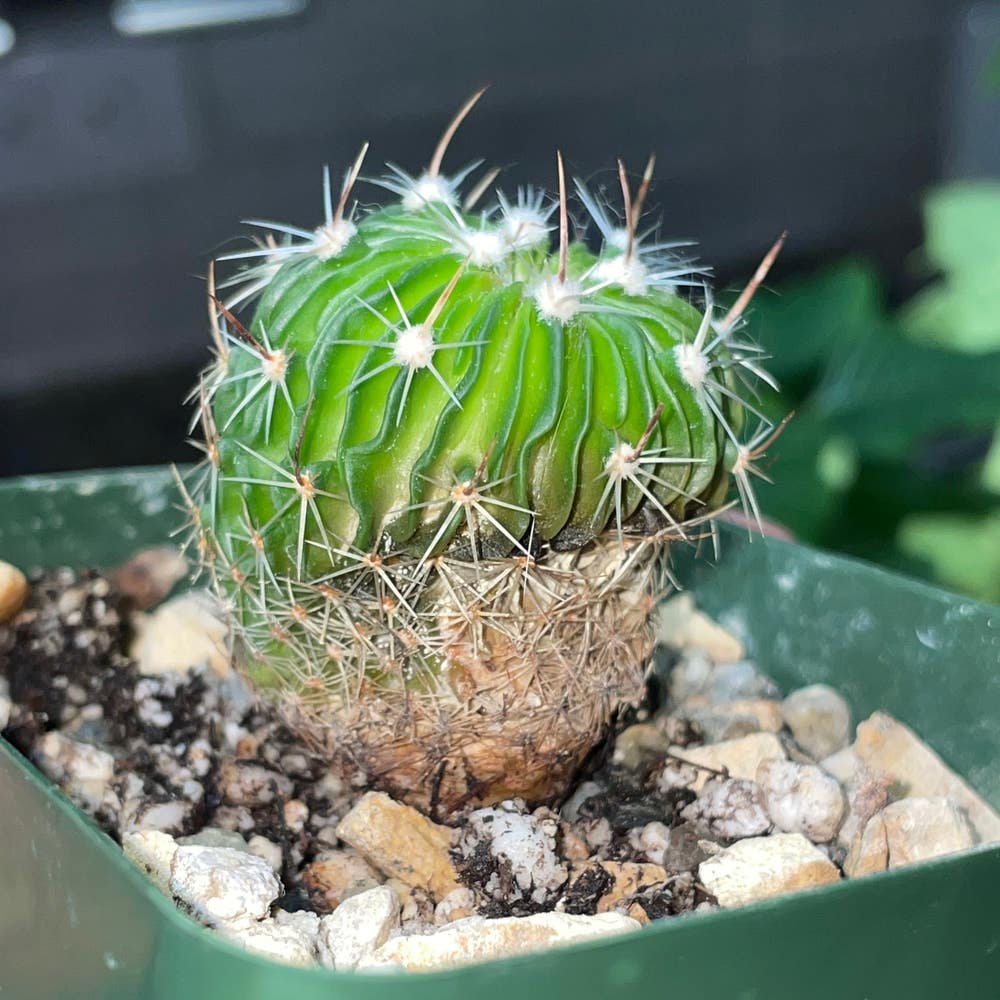
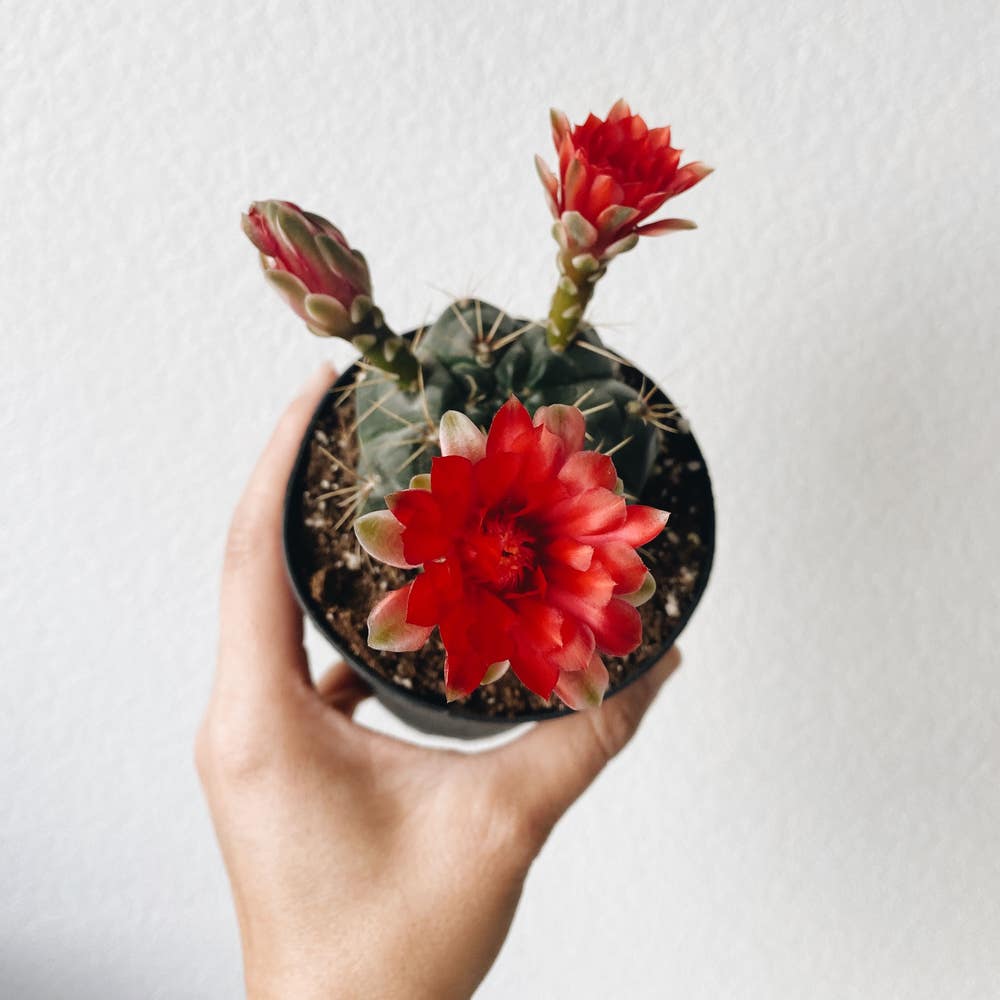
Thelocactus bicolor
By the Greg Editorial Team
Jun 18, 2024•4 min read
This article was created with the help of AI so we can cover more plants for you. May contain errors. See one? Report it here.
Boost your Texas bloom's brilliance 🌺 with the savvy selection of fertilizer and perfect timing!
- Essential nutrients: Nitrogen, phosphorus, potassium, and micronutrients.
- Choose fertilizer type wisely: Liquid, granular, or slow-release for different needs.
- Timing & dosage matter: Avoid over-fertilization; adjust with seasons and life stages.
Picking the Perfect Fertilizer Blend
💡 Key Nutrients for a Spectacular Show
Nitrogen, phosphorus, and potassium are the holy trinity for The Glory of Texas. These nutrients are the VIPs for robust growth and vivid blooms.
Micronutrients are the supporting cast, essential for the plant's overall well-being. Think of them as the backstage crew that ensures the star shines.
🍽️ Liquid, Granular, or Slow-Release: What's Best for Your Texan Beauty?
Liquid fertilizers are like a quick sip for your plant, offering a fast-acting nutrient boost.
Granular types are the slow burners, releasing nutrients gradually over time.
Slow-release fertilizers? They're the set-it-and-forget-it option, providing a steady nutrient supply.
🌱 Organic whispers vs. synthetic shouts: choosing your plant's diet.
Organic fertilizers are the gentle nurturers, releasing nutrients as nature intended. They're the whispered advice that guides your plant's growth.
Synthetic fertilizers are the loudhailers, delivering a potent dose of nutrients quickly. They're the pep talk before the big game.
Choose based on your plant's needs and your gardening style. Balance is key; too much nitrogen and you'll get all leaf, no bloom. A phosphorus-rich mix will cheer on those flowers.

Timing is Everything: When to Fertilize
⏰ Syncing Fertilization with Growth and Bloom Cycles
The calendar of care is your plant's best friend. For The Glory of Texas, the growth phase is prime time for fertilization. This typically spans spring and summer, when the plant is in full-on growth mode, using nutrients to pump out leaves and flowers. During this period, a monthly dose of fertilizer keeps the show running smoothly.
Come fall and winter, it's time to ease up. The plant's metabolism slows down, much like a bear hibernating. A light snack of fertilizer every six to eight weeks is plenty. Remember, overfeeding a sleepy plant is like pouring coffee into a napping friend's mouth—not cool.
🎨 The Art of Application
Applying fertilizer is like seasoning food—just enough enhances, too much ruins the dish. For liquid fertilizers, think precision. Use a measuring syringe to avoid overdoing it. Dilute as directed, and always apply to moist soil. This helps the roots absorb nutrients without the risk of chemical burns.
Granular fertilizers? They're a bit more forgiving. Sprinkle around the base of your plant, following the package's recommended dose, and water it in. It's like setting a slow-release happiness bomb for your plant's roots.
And slow-release options? They're the set-it-and-forget-it choice. Apply as per instructions, and let the fertilizer do its thing over time. It's a low-maintenance love affair between your plant and its nutrients.
In all cases, keep an eye on your plant's response. Yellowing leaves or a growth halt might mean you need to adjust your game plan. Stay observant, stay flexible, and always, always avoid the temptation to overfeed. Your plant will thank you with vibrant blooms, not drama.

Recognizing and Fixing Over-Fertilization Faux Pas
🚨 Spotting the Telltale Signs
Over-fertilization is like sending your plant to an all-you-can-eat buffet and watching it get a nutrient hangover. Leaf burn is your plant's SOS signal. If you see a crust of fertilizer on the soil, yellowed or brown leaves, or roots that look like they've seen better days, you've pushed the nutrient envelope too far. Wilting leaves with damp soil? That's another red flag.
🛠️ The Recovery Plan
Caught overfeeding your green buddy? Time for some damage control. Remove any visible fertilizer—think of it as decluttering. Next, give the soil a good flush with water to wash away the excess; repeat this every few days, like a detox program for your plant. Prune away the sad, damaged foliage—it's not coming back. For potted plants, a change of soil might be the fresh start they need. Hold off on the fertilizer until your plant looks like it's ready to take on the world again, typically in a few weeks. Remember, patience is a virtue, especially in plant rehab.

Adapting Fertilization to Your Plant's Life Story
🌱 From Seedling to Full Bloom
Just like a baby's diet changes with age, so should your plant's. Seedlings need gentle care, a light touch of nutrients. As they grow, ramp up the nitrogen for lush leaves. When the first buds appear, it's showtime for phosphorus to encourage those blooms.
🌸 Seasonal Shifts and Special Care
Winter is a rest period; your plant's not dead, just sleeping. Ease up on the fertilizers. Come spring, it's back to business. Increase feeding frequency to coincide with growth spurts. Monitor your plant's reaction—like a hawk—and adjust accordingly. It's not just about sticking to a schedule, it's about responding to your plant's cues.
⚠️ Safety First
This content is for general information and may contain errors, omissions, or outdated details. It is not medical, veterinary advice, or an endorsement of therapeutic claims.
Always consult a qualified healthcare professional before using any plant as food, medicine, or supplement.
Never eat any plant (or feed one to pets) without confirming its identity with at least two trusted sources.
If you suspect poisoning, call Poison Control (800) 222-1222, the Pet Poison Helpline (800) 213-6680, or your local emergency service immediately.
Spotted an error? Please report it here.
Ensure your The Glory of Texas gets just the right nutrients to thrive 🌱 with Greg's custom fertilization schedule and precision reminders.