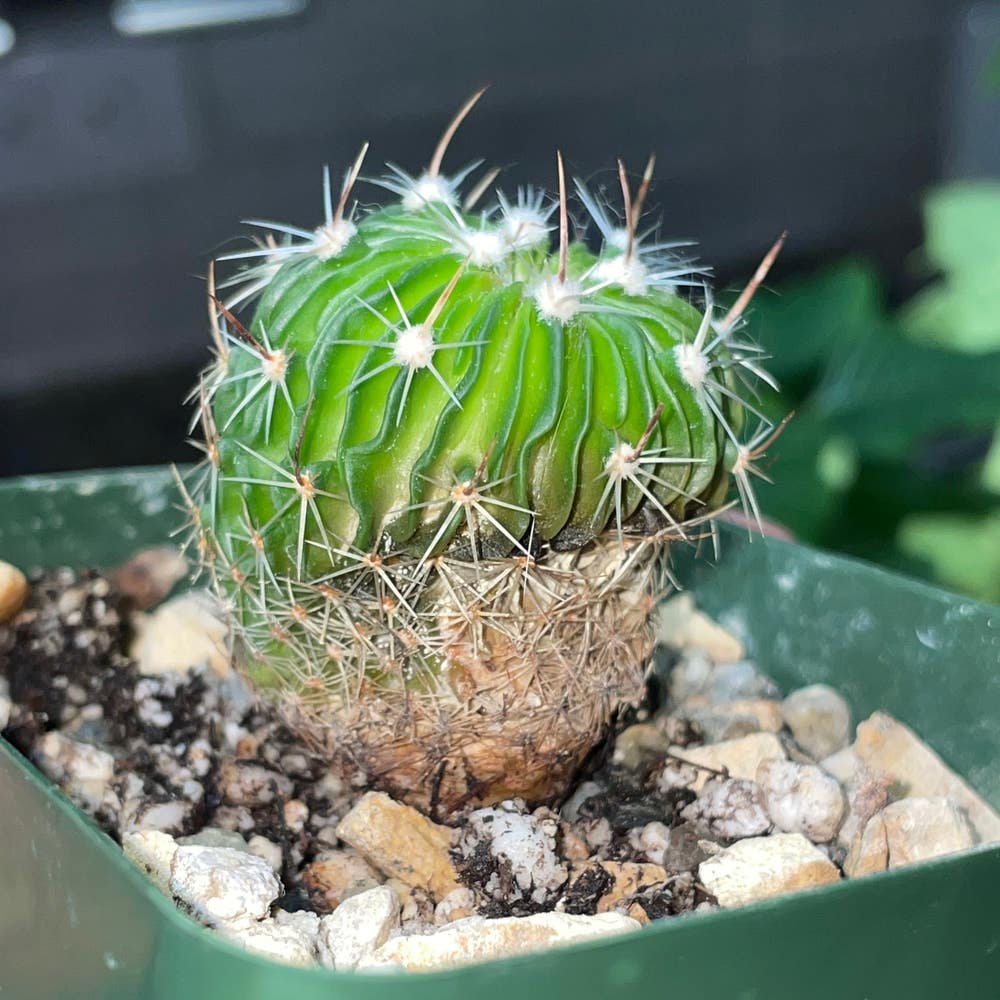
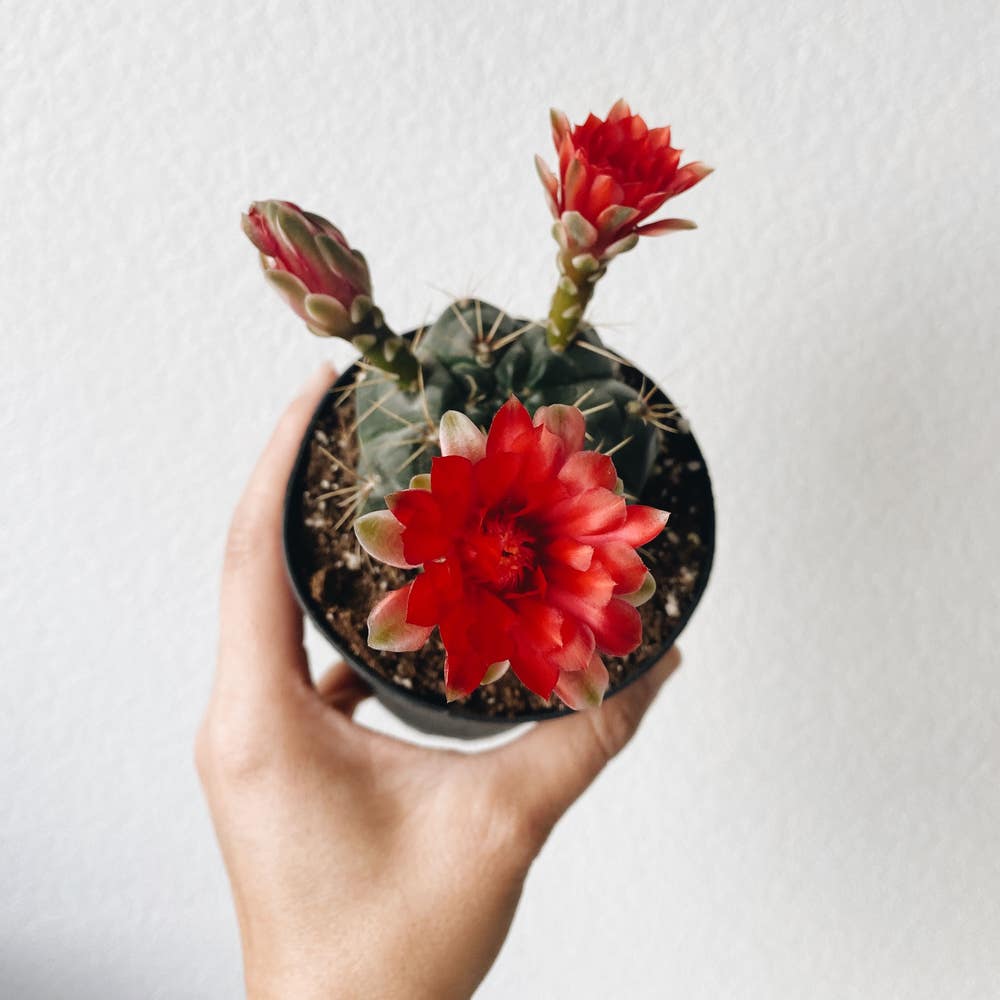
Why Are There Brown Spots on My The Glory of Texas?
Thelocactus bicolor
By the Greg Editorial Team
Jun 18, 2024•4 min read
This article was created with the help of AI so we can cover more plants for you. May contain errors. See one? Report it here.
Eradicate brown spots 🍂 and restore your Glory of Texas to its full splendor with these expert tips!
- Brown spots signal distress, distinguishable by edges or yellow halos.
- Adjust watering, monitor pests, and ensure airflow to prevent spots.
- Immediate treatment: isolate, prune, apply fungicide, and tweak watering.
Spotting the Trouble: Recognizing Brown Spots on Your Plant
🕵️ Visual Guide to Brown Spots
Brown spots on The Glory of Texas can masquerade as harmless quirks but often signal distress. They vary from faint tan to a pronounced dark brown and may look dry or soggy.
🤔 How to Tell Them Apart
Distinguishing these spots from other leaf issues is crucial. Look for distinct edges or a yellow halo, which can indicate specific diseases.
👾 Common Culprits Behind the Spots
💧 Water Woes
Overwatering often leads to soft, darkened spots, while underwatering will leave the leaves dry and brittle.
🦟 Pests: The Unwanted Guests
Pests can be stealthy invaders, leaving behind brown spots as evidence of their feast on your plant's leaves.
🍄 Fungal Foes
Fungi leave a signature pattern of spots or powdery residue. They thrive in the absence of air circulation and excess moisture.
🌿 Environmental Stress
Sometimes, it's just the plant's way of saying it's had too much sun or not enough water. These spots can look like a plant's sunburn or a cry for hydration.
Remember, consistency in care is your best defense against these brown spot bandits.

Getting to the Root: Pinpointing the Cause
🔍 Investigating Watering Habits
🌊 Overwatering Symptoms
Overwatering can turn your Glory of Texas into a soggy mess. Brown spots often signal that the roots are gasping for air, not just water. If the soil feels more like a swamp than a garden bed, it's time to ease up on the H2O.
🏜️ Underwatering Signs
Conversely, underwatering leaves your plant as parched as a desert. Dry, crispy spots on the leaves are a plant's way of crying out for a drink. Check the soil before watering; it should be dry to the touch, not a dust bowl.
💧 Watering Adjustments
To prevent future leaf damage, adjust your watering schedule. Consistency is key—water when the top inch of soil is dry, and make sure your plant isn't sitting in a puddle.
🐜 Scouting for Pests
🕵️ Identifying Invaders
Pests are like uninvited guests at a party—they show up, and suddenly there's chaos. Flip the leaves and look for critters or webbing. Aphids, mealybugs, and spider mites are the usual suspects leaving brown spots in their wake.
🦟 Pest Control Tactics
When it comes to evicting these pests, insecticidal soaps or neem oil can be your bouncers. A strong jet of water can also knock them off their feet. If the infestation is more horror movie than nuisance, don't think twice about calling in professional help.
🍄 Fungal Foes
👀 Spotting Fungal Infections
Fungi are the artists of plant diseases, creating spots with patterns that could rival modern art. If the brown spots on your Glory of Texas have a distinct look, it's time to suspect a fungal party.
🌿 Fungal Prevention and Treatment
Sunlight and airflow are fungi's worst enemies. Water your plant when the sun's out to ensure quick drying. Clean up any plant debris pronto; it's like a free buffet for fungi. If you spot an infection, fungicides can be the necessary remedy.

Taking Action: Treating Brown Spots
🚑 Immediate Steps for Recovery
- Isolate the plant to prevent spread to other greenery.
- Prune affected leaves with sterilized scissors to remove the infected parts.
- Apply an appropriate fungicide if a fungal infection is confirmed, following label instructions closely.
- Adjust watering techniques to ensure leaves remain dry, watering at the base to avoid moisture on foliage.
🌱 Long-Term Plant Care Adjustments
- Maintain consistent watering practices to prevent over or underwatering.
- Ensure good airflow around the plant to discourage fungal growth.
- Monitor new growth for signs of recovery and overall plant health.
- Reassess care routines if brown spots persist, considering factors like soil quality and sun exposure.

⚠️ Safety First
This content is for general information and may contain errors, omissions, or outdated details. It is not medical, veterinary advice, or an endorsement of therapeutic claims.
Always consult a qualified healthcare professional before using any plant as food, medicine, or supplement.
Never eat any plant (or feed one to pets) without confirming its identity with at least two trusted sources.
If you suspect poisoning, call Poison Control (800) 222-1222, the Pet Poison Helpline (800) 213-6680, or your local emergency service immediately.
Spotted an error? Please report it here.
Eradicate those baffling brown spots and ensure 🛡️ your Glory of Texas thrives with Greg's tailored watering schedules and expert pest control advice.