Why Are My The Glory of Texas Leaves Curling?
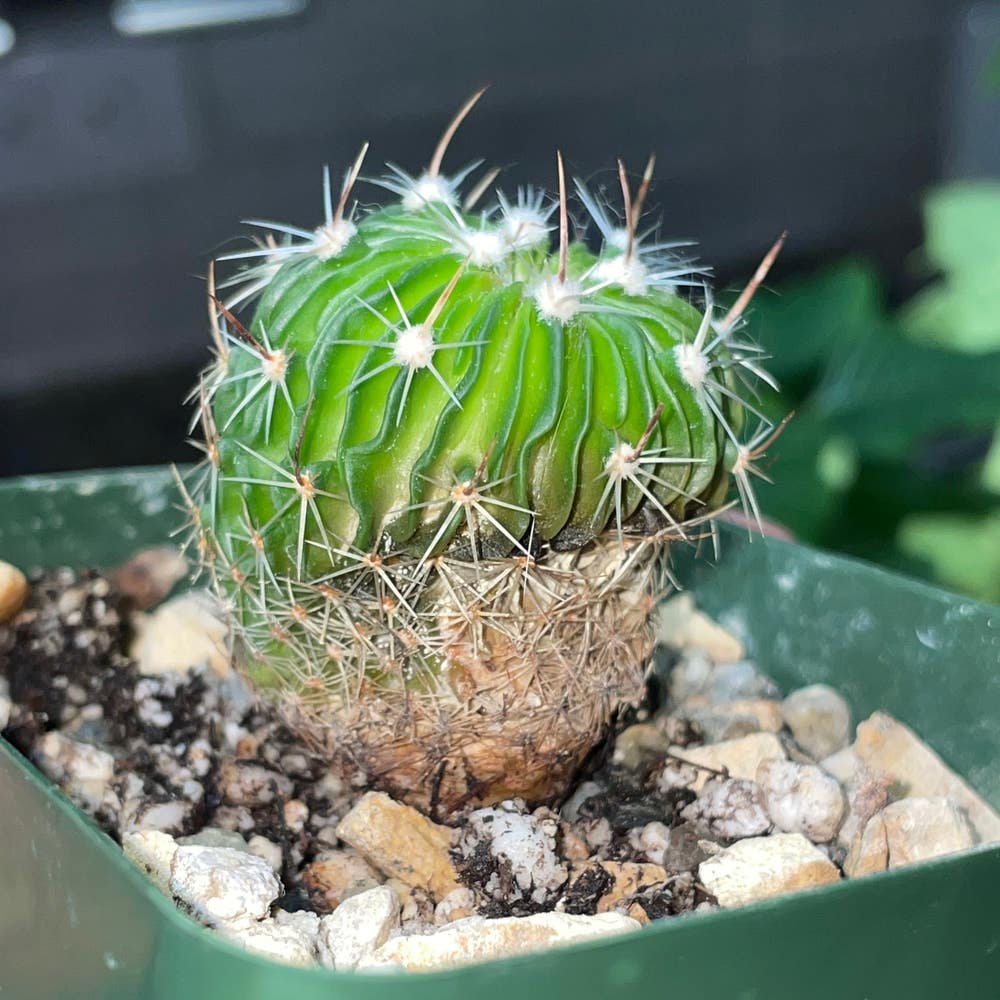
Thelocactus bicolor
By the Greg Editorial Team
Jun 18, 2024•4 min read
This article was created with the help of AI so we can cover more plants for you. May contain errors. See one? Report it here.
Unravel the mystery behind curling leaves 🍃 and save your Glory of Texas from distress!
- 🌱 Curling leaves signal distress, often with discoloration and spots.
- 💧 Balance watering; avoid extremes to prevent and fix curling.
- 🌡️🐜 Stable climate and pest control are key to flat, happy leaves.
Spotting the Signs of Leaf Curling
🍃 Visual cues of leaf curling
Curling leaves are a distress signal from your Glory of Texas. Discoloration often accompanies the curl, with leaves turning from vibrant green to shades of yellow, red, or brown. Necrotic spots—think of them as unsightly blemishes—may also mar the foliage. Look out for distorted shapes; if your plant's leaves resemble crumpled paper rather than flat canvases, it's a sign of trouble.
🕰 Timing and progression of leaf curling symptoms
Leaf curling doesn't happen overnight. It's a gradual process, often exacerbated by environmental changes like the onset of a new season. Early detection is crucial; regularly inspect your plant, especially the underside of leaves, for early signs of pests or disease. If left unchecked, what starts as a slight curl can progress to complete leaf collapse. Keep a vigilant eye on your plant's performance, noting any changes in texture or firmness of the leaves.

Unraveling the Causes of Leaf Curling
🏜️ Thirsty Roots: The Impact of Underwatering
Underwatering is the silent alarm of plant distress. Thirsty roots will cause leaves to curl inward, hoarding every bit of moisture.
💦 Drowning in Excess: The Perils of Overwatering
Overwatering is the equivalent of waterlogging your plant's life. Soggy roots can't breathe, leading to the inevitable leaf curl.
🌡️ Feeling the Heat: Temperature Stress and Its Effects
Leaves curling up can be a plant's makeshift umbrella against too much heat. Temperature stress can make leaves contort like tiny, green acrobats.
🐜 Unwanted Guests: Pest Infestations Leading to Curling
Pests are the uninvited guests at the plant party. They leave behind tell-tale signs like spots or webbing, causing leaves to curl in defense.
🦠 Sickly Plants: Disease or Fungal Issues Behind the Curl
Diseases and fungi are the party poopers. They bring discoloration and distortion, making leaves curl as if waving a white flag of surrender.

The Rescue Plan for Curling Leaves
In the battle against leaf curl, precision is your ally. Let's dive into the rescue maneuvers.
💧 Balancing the Watering Act
Overwatering turns roots into underwater cities, while underwatering leaves plants gasping. To strike a balance, use the touch test: the soil should be moist, not soggy. Adjust your schedule to the plant's rhythm, not your calendar. If the leaves are curling, it's time to rethink your watering strategy.
🌡️ Creating a Cozy Temperature Haven
Your plant doesn't need a sauna or an igloo; it craves a steady climate. Shield it from drafts and scorching sunbeams. Aim for a consistent temperature range, and watch your plant perk up.
🐜 Evicting Pesky Pests
Pests are party crashers. Show them the door with insecticidal soap or neem oil. Apply with sniper-like precision to the undersides of leaves, where these critters love to lurk. Repeat as necessary, following the product's battle plan.
🦠 Healing from Disease and Fungus
When fungi or bacteria gatecrash, it's time for isolation and organic fungicides. Keep the infected plant quarantined like a sick pet. Remember, prevention is better than cure, so keep those leaves dry and airflow optimal to avoid fungal raves.

Keeping Leaves Flat and Happy: Prevention Tactics
🚰 Monitoring and Adjusting Watering Habits
Consistency is your plant's best friend. Water when the top inch of soil feels like a dry handshake – not too wet, not too dry. Rotate your watering schedule with the seasons; think of it as your plant's personal calendar, reminding you to water less in winter and more in summer.
🌞 Maintaining a Stable and Suitable Climate
Your plant doesn't need a weatherman to know which way the wind blows. Keep it away from drafty windows and give it the humidity it craves during dry, heated indoor winters. In the blazing summer, ensure it has a shady spot to avoid sunburn – yes, plants get those too.
👀 Regular Inspections for Early Pest Detection
Be the Sherlock Holmes of plant care. Regularly inspect leaves for unwanted guests – pests are party crashers that don't bring wine. If you spot them, show them the exit with a soapy water solution or a non-toxic pesticide. Remember, prevention is better than cure.
🛡️ Fostering Disease Resistance Through Care
Plants get sick too, and there's no chicken soup for the chlorophyll soul. Avoid overwatering to prevent root rot, and ensure your pot has drainage worthy of a good colander. Prune wisely to keep the airflow moving and the fungal spores grooving – away from your plant, that is.
⚠️ Safety First
This content is for general information and may contain errors, omissions, or outdated details. It is not medical, veterinary advice, or an endorsement of therapeutic claims.
Always consult a qualified healthcare professional before using any plant as food, medicine, or supplement.
Never eat any plant (or feed one to pets) without confirming its identity with at least two trusted sources.
If you suspect poisoning, call Poison Control (800) 222-1222, the Pet Poison Helpline (800) 213-6680, or your local emergency service immediately.
Spotted an error? Please report it here.
Revive your Glory of Texas with Greg's help by balancing 🌊 watering and climate control, ensuring your leaves stay lush and curl-free!