What To Do About Bugs on My The Glory of Texas? 🐛
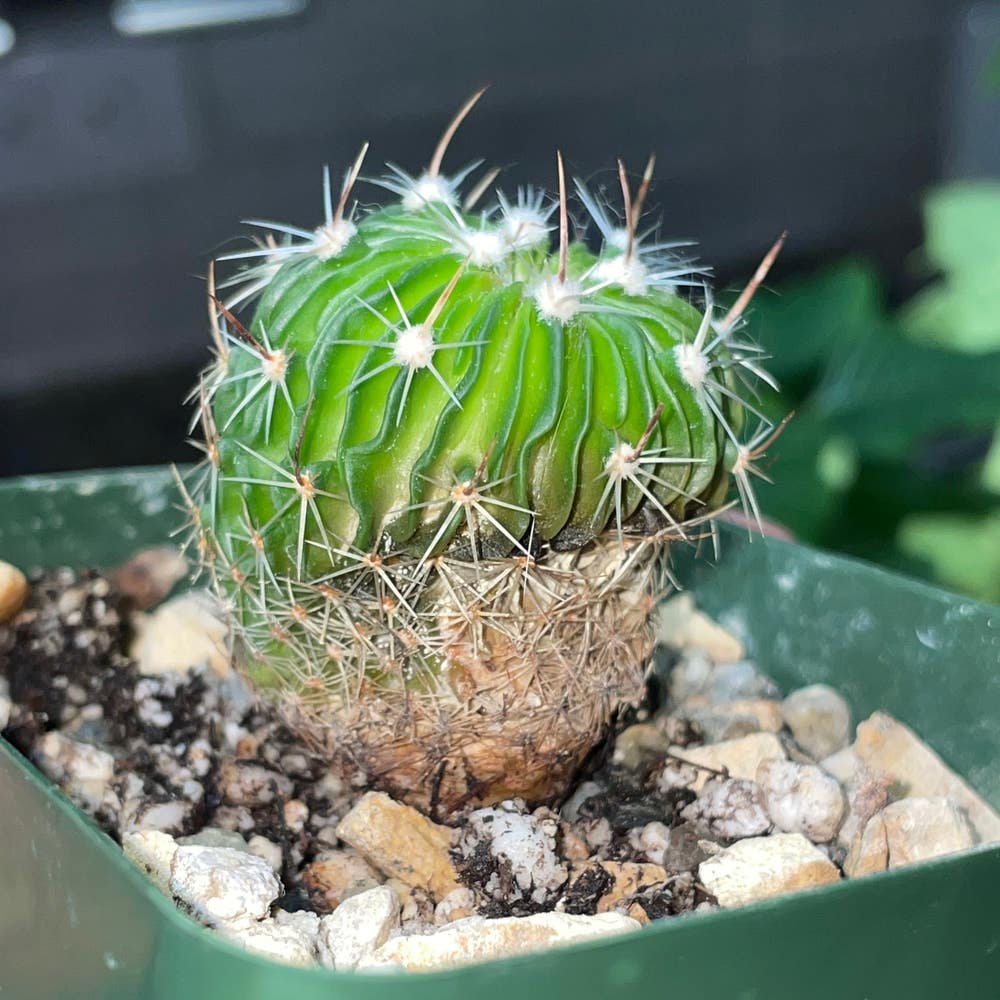
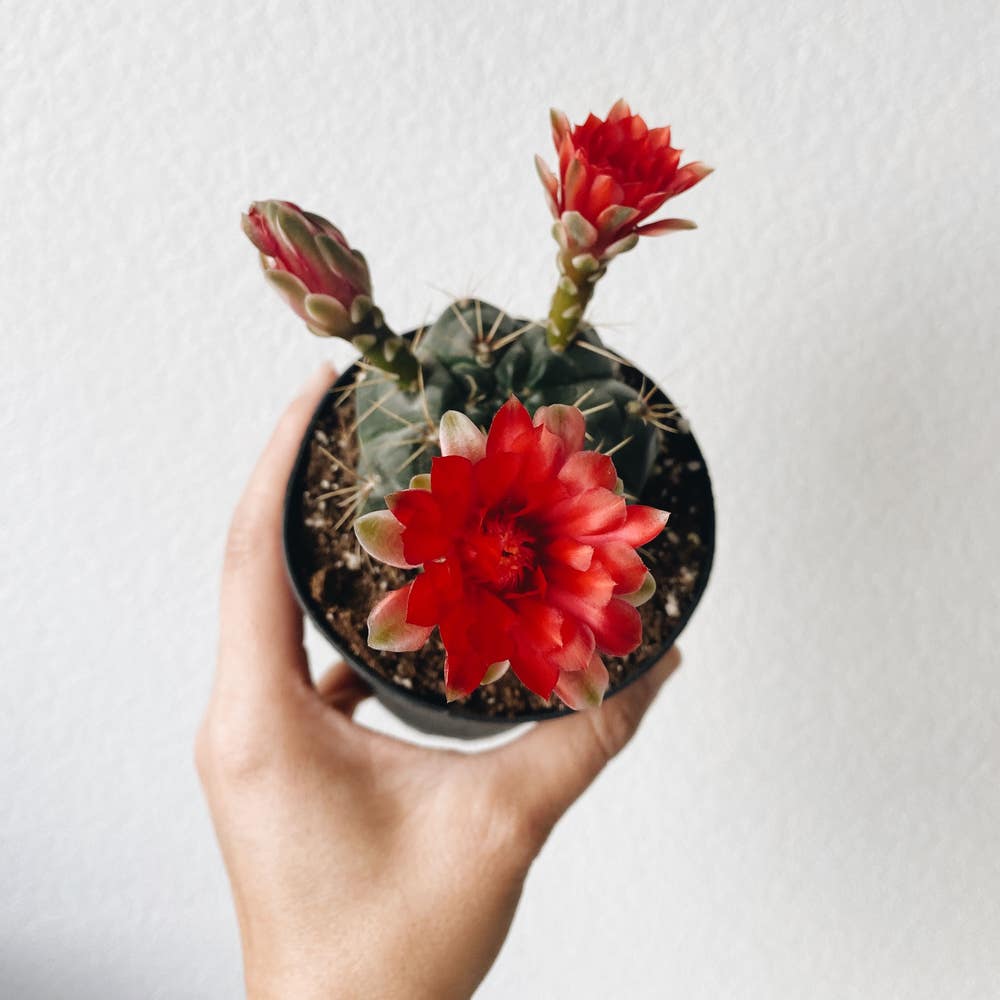
Thelocactus bicolor
By the Greg Editorial Team
Jun 18, 2024•3 min read
This article was created with the help of AI so we can cover more plants for you. May contain errors. See one? Report it here.
Shield your 'The Glory of Texas' 🌵 from bug battles with top-notch pest defense tips! 🛡️
- Spot pests early—webbing, bumps, cotton clumps signal trouble.
- Treat with neem oil, alcohol, or soap for most bug battles.
- Prevent with dry soil and isolation of new plants.
Spot the Invaders: Identifying Common Pests
🕷️ Spider Mites: The Sneaky Sap-Suckers
Spotting the Signs: Webbing and Leaf Damage
Fine webbing on your plant's leaves isn't a sign of Halloween early arrival; it's spider mites. These pests also leave leaves looking speckled or dusty.
🚿 Kicking Them Out: Effective Treatments
A damp cloth swipe or a gentle water spray can ruin a spider mite's day. For a tougher stance, unleash neem oil or insecticidal soap.
🚫 Keeping Them Away: Prevention Tips
Keep your plant's environment less inviting by maintaining humidity. Spider mites hate a good misting.
🦟 Scale: The Sticky Freeloaders
Seeing the Scales: Identifying These Tiny Pests
Waxy bumps on stems and leaves? You've got scale insects. They're not a plant disease, they're worse.
🧼 Scrubbing Them Off: Removal Techniques
A soft brush or cloth can evict these squatters. For the stubborn ones, a cotton swab dipped in rubbing alcohol does the trick.
🚷 Stopping Their Return: Prevention Practices
Regular sprays of insecticidal soap can keep scales from thinking they're welcome back.
🦟 Fungus Gnats and Fruit Flies: The Soil Lurkers
Catching These Flyers: Signs of Infestation
If you see tiny flies around your plant, it's not a sign of popularity. Fungus gnats and fruit flies are crashing the party.
🪰 Ground Control: How to Eradicate Them
Yellow sticky traps are like fly hotels with a no checkout policy. A sand layer atop the soil can block larvae from joining the rave.
💧 Dry Tactics: Soil Moisture Management to Prevent Infestation
Overwatering is like an open-bar invitation for these pests. Let the soil dry out a bit to keep the party from starting.

Mealybugs: The Fluffy White Menace
🕵️ Spotting the Cotton Clumps
Mealybugs are masters of disguise, setting up shop in the nooks and crannies of your Glory of Texas. Look closely for white, cotton-like masses on leaves and stems; these are your red flags.
🚫 Eradicating the Fluff
Physical removal is your first move against mealybugs. Grab a cotton swab dipped in alcohol and wipe them out. For a less hands-on approach, insecticidal soaps or neem oil can be effective, but remember, persistence is key.
🛡️ Prevention is Better Than Cure
Keep mealybugs from crashing the party with routine plant inspections. Quarantine new plants to prevent an infestation from spreading. Dry, unhappy mealybugs make for a happy plant.

Other Unwanted Guests
🐜 Quick-Fire Guide to Other Pests
Aphids: The Sticky Bandits
Aphids are tiny but troublesome, clustering on new growth and under leaves. Blast them with water or apply insecticidal soap to disrupt their sticky gatherings.
Thrips: The Stealthy Saboteurs
Thrips leave silvery speckles on leaves after their covert operations. Neem oil or predatory mites are your go-to allies in this fight.
Whiteflies: The Ghostly Drifters
Whiteflies swarm when disturbed, resembling a flurry of tiny ghosts. Yellow sticky traps and insecticidal soap are your weapons of choice against these persistent pests.
Tailored Tips for The Glory of Texas
Isolation is crucial for newly acquired plants to prevent pest spread. Regularly inspect leaves, especially the undersides, and act swiftly at the first sign of trouble. Remember, a healthy plant is your best defense.

⚠️ Safety First
This content is for general information and may contain errors, omissions, or outdated details. It is not medical, veterinary advice, or an endorsement of therapeutic claims.
Always consult a qualified healthcare professional before using any plant as food, medicine, or supplement.
Never eat any plant (or feed one to pets) without confirming its identity with at least two trusted sources.
If you suspect poisoning, call Poison Control (800) 222-1222, the Pet Poison Helpline (800) 213-6680, or your local emergency service immediately.
Spotted an error? Please report it here.
Eradicate pests from your Glory of Texas with precision 🎯 using Greg's species-specific care alerts and proactive community advice for swift and effective treatment.