🌸 4 Tips for Healthy The Glory of Texas Roots
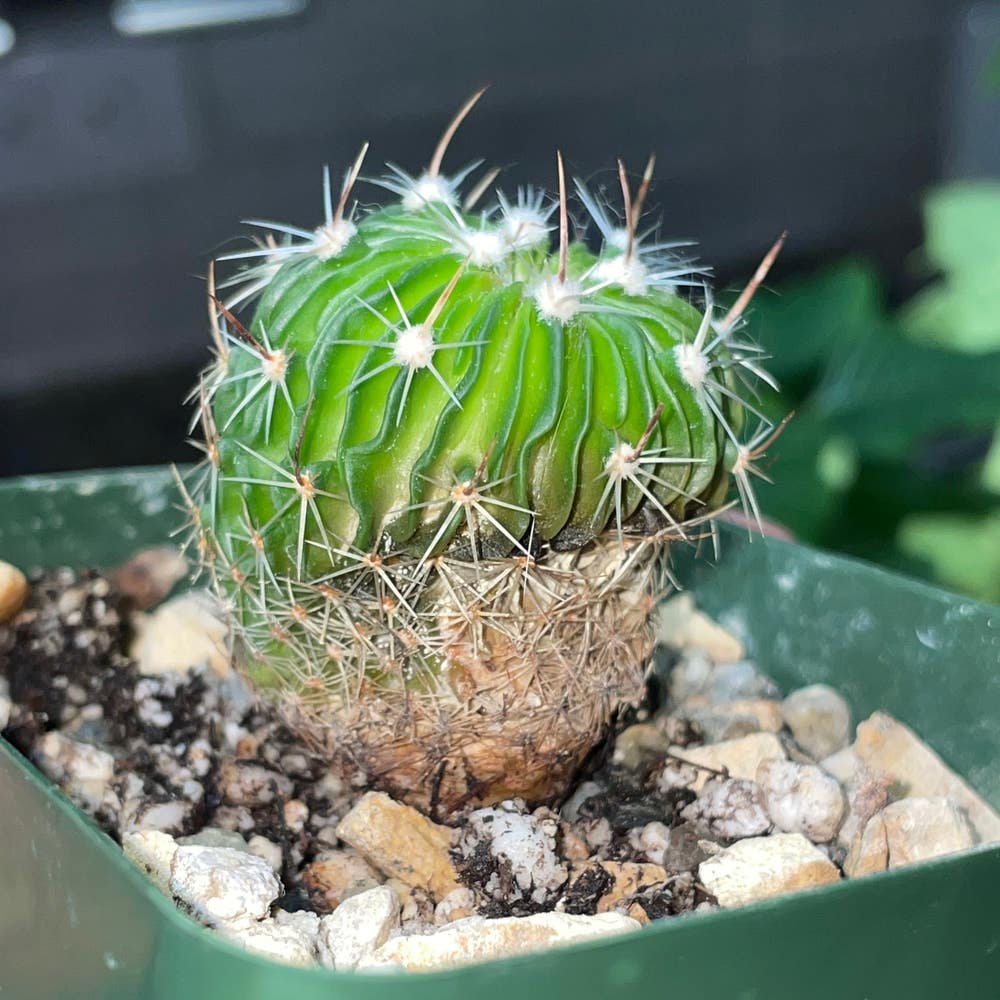
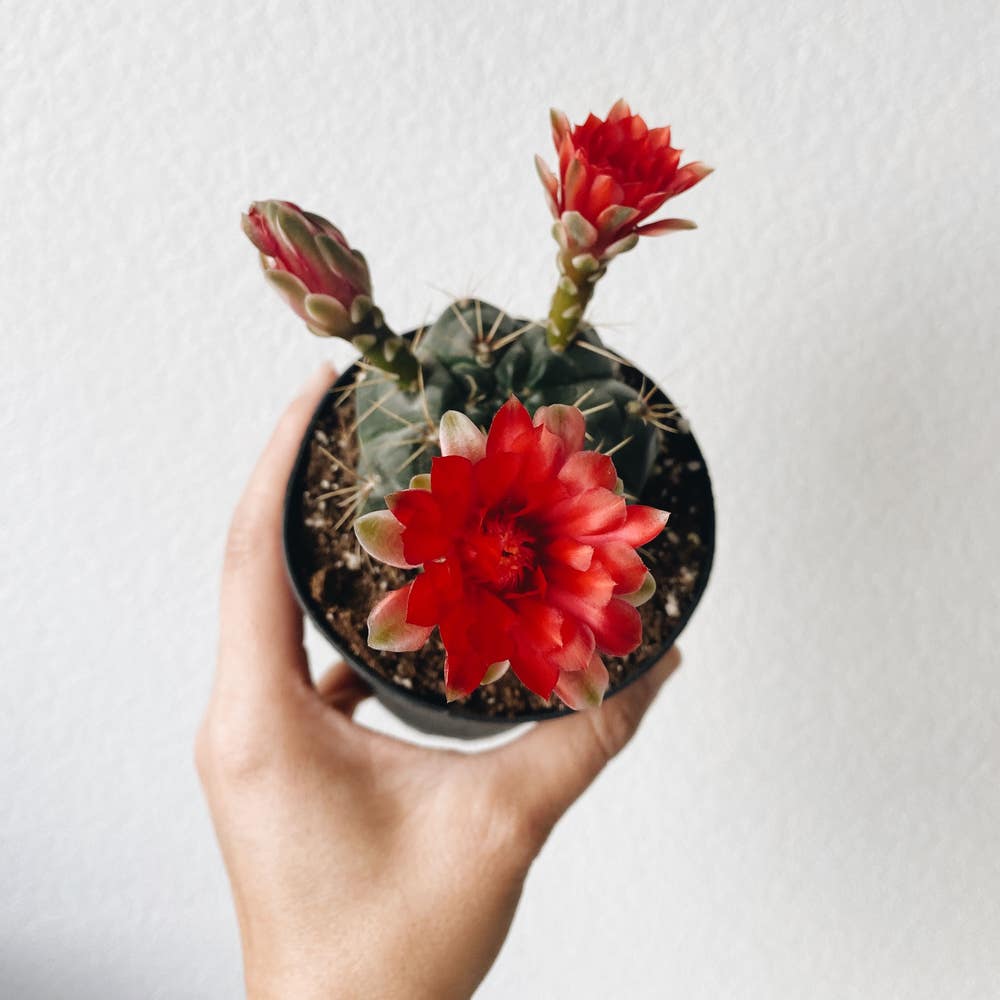
Thelocactus bicolor
By the Greg Editorial Team
Sep 30, 2024•5 min read
This article was created with the help of AI so we can cover more plants for you. May contain errors. See one? Report it here.
Master root health for thriving plants and a flourishing garden! 🌱🌿 Discover essential tips and techniques today!
- 🌱 Healthy roots ensure plant stability and access to moisture, vital in Texas' climate.
- 💧 Deep watering promotes taproot growth, enhancing nutrient absorption for thriving plants.
- 🌿 Monitor root health regularly to prevent issues like rot and stunted growth.
Root System Type
🌱 Taproot Characteristics
A taproot is a single, thick primary root that delves deep into the soil. This unique structure allows it to reach depths of 2-3 feet, providing essential stability and access to moisture.
The resilience of taproots is remarkable; they are specifically adapted to withstand drought conditions. This ability not only helps the plant survive but also thrive in challenging environments.
Root Depth, Spread, and Growth Patterns
Typical Depth and Spread 🌱
The average taproot depth for Texas roots ranges from 2 to 3 feet, heavily influenced by soil conditions. This deep anchoring provides stability and access to moisture, essential for thriving plants.
Lateral roots extend about 1 to 2 feet from the base, creating a robust network that supports the plant. This spread is crucial for nutrient absorption and overall health.
Growth Patterns 🌿
Roots exhibit a fascinating growth pattern, moving both downward and outward. This dual approach not only enhances stability but also optimizes nutrient uptake.
As roots grow, they establish a strong foundation that allows the plant to flourish. Understanding these patterns can help you nurture healthier plants in your garden.
With a solid grasp of root depth and growth, you're well-equipped to tackle the next topic: effective watering, fertilizing, and transplanting techniques.
Watering, Fertilizing, and Transplanting
💧 Watering Practices
Deep watering is essential for encouraging robust taproot growth. This technique allows roots to reach deeper into the soil, accessing moisture and nutrients more effectively.
Adjust your watering frequency based on soil moisture and weather conditions. During dry spells, you may need to water more often, while rainy periods might require less.
🌱 Fertilizing Techniques
Using slow-release fertilizers can significantly support root health. These fertilizers provide a steady supply of nutrients, promoting strong growth without overwhelming the plant.
Timing is crucial; fertilize during active growth periods, typically in spring and early summer, to maximize benefits.
🌍 Transplanting Best Practices
When transplanting, aim to minimize disturbance to the taproot. This helps maintain stability and encourages quicker establishment in the new location.
The best time to transplant is during cooler months, as this reduces stress on the plant and allows for better recovery.
Common Root-Related Issues
Identification of Problems 🌱
Root health is crucial for plant vitality, and recognizing issues early can save your greenery. Root rot is a common problem, often indicated by wilting and yellowing leaves, signaling that your plant is struggling.
Pests can also wreak havoc on roots. Look for signs like stunted growth or visible insects around the base of the plant, which can compromise root health.
Prevention and Solutions 🛡️
Preventive measures are your first line of defense. Ensure your soil drains well and avoid overwatering, as soggy conditions can lead to root rot.
If you do encounter root rot, treatment options include removing affected roots and repotting in fresh, dry soil. For pest infestations, consider using organic insecticides or introducing beneficial insects to restore balance.
By staying vigilant and proactive, you can maintain a thriving root system that supports your plants' overall health.
Indicators of Root Health
Visual Cues 🌱
Healthy roots are a sight to behold. They should be firm and exhibit a white or light tan color, indicating vitality and strength.
In contrast, unhealthy roots present a troubling picture. Look for dark, mushy textures or foul smells, which signal decay and potential issues.
Other Indicators 🔍
Beyond visual cues, plant vigor plays a crucial role in assessing root health. A robust plant typically reflects a thriving root system, showcasing healthy growth patterns.
Leaf color and texture also provide insights into root conditions. Lush, vibrant leaves suggest well-nourished roots, while yellowing or wilting leaves may indicate underlying root problems.
Understanding these indicators can empower you to take proactive steps in maintaining your plants' health. By keeping an eye on both roots and foliage, you can ensure your plants thrive and flourish.
Next, let’s explore rootbound conditions and how to address them effectively.
Rootbound Conditions
Definition and Signs 🌱
Rootbound conditions occur when a plant's roots circle the pot, restricting growth. You might notice stunted growth, yellowing leaves, or even visible roots at the surface.
Addressing Rootbound Issues 🛠️
Recognizing when to intervene is crucial. If your plant shows signs of being rootbound, it’s time to act.
- Timing: The best moment to address rootbound issues is during the plant's active growth phase.
- Solutions: Repotting is a common solution. Choose a pot that’s one size larger and gently loosen the roots.
Root pruning can also help. Trim away some of the circling roots to encourage new growth.
By taking these steps, you can revitalize your plant and promote healthier root development. This ensures your plant thrives, setting the stage for a flourishing garden.
Next, let’s explore propagation and division techniques to further enhance your gardening skills.
Propagation and Division
Importance of Root Health 🌱
Healthy roots are the backbone of successful plant propagation. They ensure resilience and vitality, allowing your plants to thrive in various conditions.
Techniques for Dividing ✂️
Dividing plants can rejuvenate them and promote growth. Here’s how to do it effectively:
Timing: The best times to divide your plants are early spring or fall. This allows them to recover quickly as they enter their active growth phases.
Tools: Use clean, sharp tools to minimize damage. A good pair of pruning shears or a spade works wonders.
Method: Carefully separate the roots, ensuring you don’t tear them. Replant the divided sections in suitable soil, giving them room to grow.
By following these steps, you can enhance your garden's health and beauty. Healthy roots lead to flourishing plants, so take the time to nurture them!
Next, let’s explore common root-related issues that can affect your plants.
⚠️ Safety First
This content is for general information and may contain errors, omissions, or outdated details. It is not medical, veterinary advice, or an endorsement of therapeutic claims.
Always consult a qualified healthcare professional before using any plant as food, medicine, or supplement.
Never eat any plant (or feed one to pets) without confirming its identity with at least two trusted sources.
If you suspect poisoning, call Poison Control (800) 222-1222, the Pet Poison Helpline (800) 213-6680, or your local emergency service immediately.
Spotted an error? Please report it here.
Nurturing your plants starts with understanding their roots, and with Greg's tailored watering reminders and expert care tips, you'll ensure your garden flourishes beautifully! 🌿 Grow strong!