10 Benefits of Having a The Glory of Texas
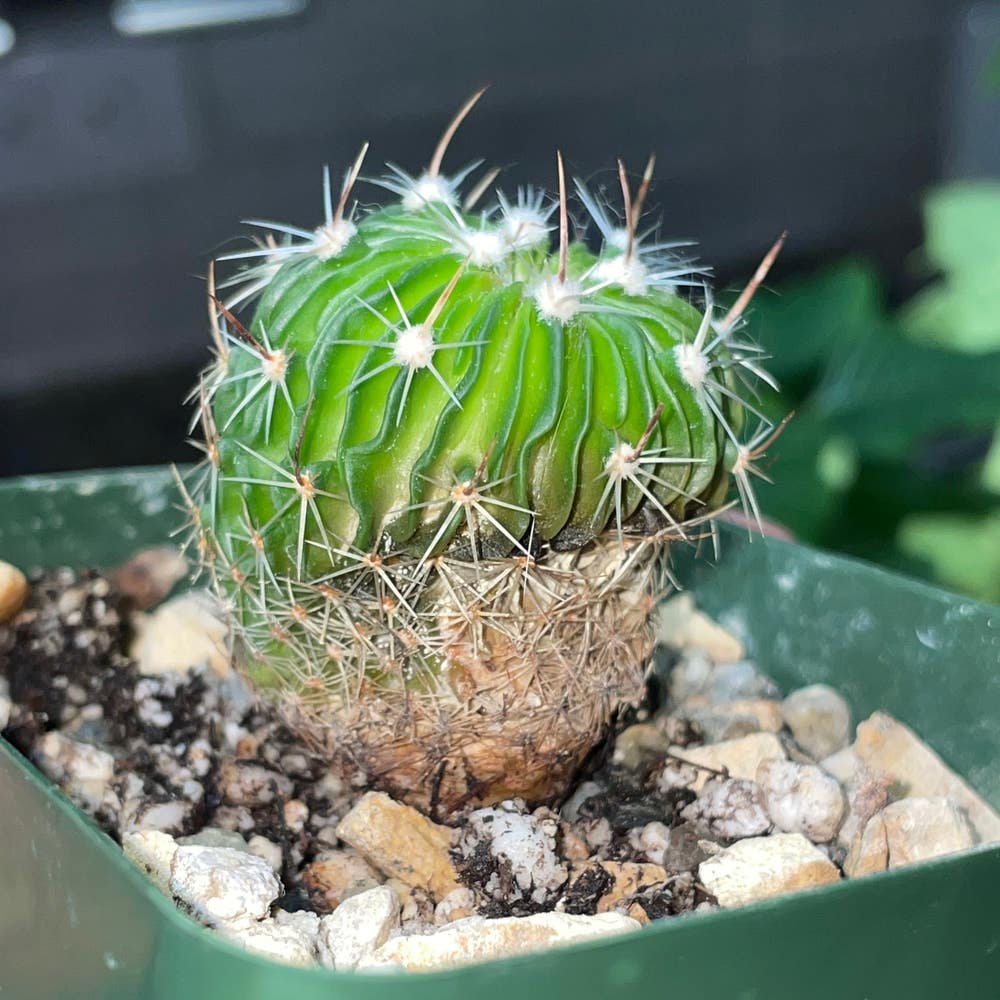
Thelocactus bicolor
By the Greg Editorial Team
Jun 18, 2024•3 min read
This article was created with the help of AI so we can cover more plants for you. May contain errors. See one? Report it here.
Embrace Texan pride and resilience with a cactus that thrives on minimal care and unites communities 🌵.
- 🌵 Symbolizes Texan strength, with vibrant magenta-purple flowers.
- 🦋 Attracts wildlife and supports ecosystems, also used medicinally.
- 🤝 Unites Texans in gardens and public spaces, showcasing diversity.
A Texan Emblem in Your Garden
💐 Dazzling Blooms Meet Cultural Pride
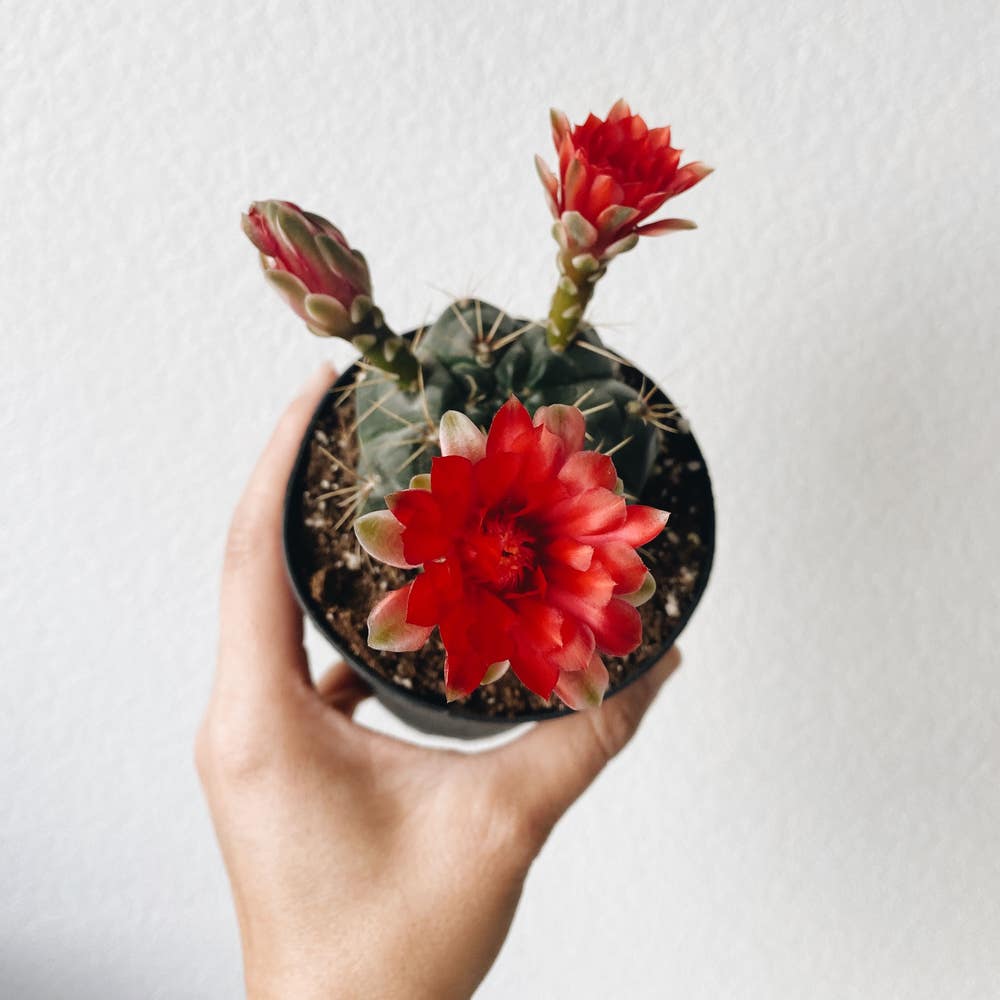
The Glory of Texas cactus, with its striking magenta-purple flowers and resilient nature, stands as a living testament to Texan strength and spirit. Its blooms, large against the modest height of the plant, are not just a feast for the eyes but a symbol of the state's vibrant culture and unyielding pride.
🌵 A Natural Hero in Harsh Climates
In the face of scorching summers and scarce rainfall, the Glory of Texas emerges as a champion of drought tolerance, mirroring the resilience of Texans themselves. This cactus thrives with minimal care, reflecting the practical, no-nonsense approach that is a hallmark of the Texan lifestyle.

More Than Just a Pretty Face
🐝 A Haven for Wildlife
The Glory of Texas isn't just a visual treat; it's a lifeline for local fauna. Its blooms are a beacon for pollinators like bees and butterflies, vital for ecosystem health. Birds and other wildlife also benefit from the shelter and sustenance it provides, making it a key player in Texas's biodiversity.
💊 The Healing Touch
Historically, native plants have served as a bridge between traditional remedies and modern medicine. The Glory of Texas, with its medicinal properties, continues this legacy. It's more than folklore; it's a living connection to the past, offering potential healing benefits that echo through time.

Easygoing Yet Mighty
🌵 Thriving with Minimal Fuss
The Glory of Texas isn't just about standing tall; it's about doing so with ease. This plant is a testament to the practicality of the Texan lifestyle, requiring little more than the occasional mulch to flourish. Its low-maintenance nature means you can spend less time fussing and more time admiring its vibrant blooms.
🛡️ The Guardian of the Land
Beyond its beauty, the Glory of Texas serves as a stalwart defender against erosion. Its roots hold the soil firm, safeguarding the landscape from the ravages of wind and water. This isn't just plant care; it's land care, contributing to the preservation of the Texan terrain and the ecosystems it supports.

Bringing Texans Together
🌵 From Private Gardens to Public Spaces
The Glory of Texas isn't just a plant; it's a cultural icon. In private gardens, it stands as a personal testament to Texan pride, but its influence doesn't stop at property lines. Transitioning into public spaces, this resilient flora becomes a social cornerstone, akin to green roofs and community gardens. It's not just about eco-friendliness; it's about creating connections. As people gather around its vibrant presence, the Glory of Texas acts as a catalyst for community bonding, echoing the social hubs of yesteryear's Galveston gardens.
🎨 Versatility in Design
In the diverse tapestry of Texas landscapes, the Glory of Texas is a chameleon. Its adaptability is a nod to the state's eclectic nature, thriving in xeriscapes as effortlessly as it does in lush flower gardens. Whether it's providing a backdrop for Austin's garden bloggers or adding a pop of color to South Texas summers, this plant’s versatility makes it a unifying thread in the state's horticultural quilt. It's not just a plant; it's a design element that reflects the diversity and adaptability of Texas itself.
⚠️ Safety First
This content is for general information and may contain errors, omissions, or outdated details. It is not medical, veterinary advice, or an endorsement of therapeutic claims.
Always consult a qualified healthcare professional before using any plant as food, medicine, or supplement.
Never eat any plant (or feed one to pets) without confirming its identity with at least two trusted sources.
If you suspect poisoning, call Poison Control (800) 222-1222, the Pet Poison Helpline (800) 213-6680, or your local emergency service immediately.
Spotted an error? Please report it here.
Cultivate your own symbol of Texan strength 🌵 with The Glory of Texas and let Greg's tailored care plans ensure it thrives in your home.