📏 5 Facts About The Glory of Texas Height and Width
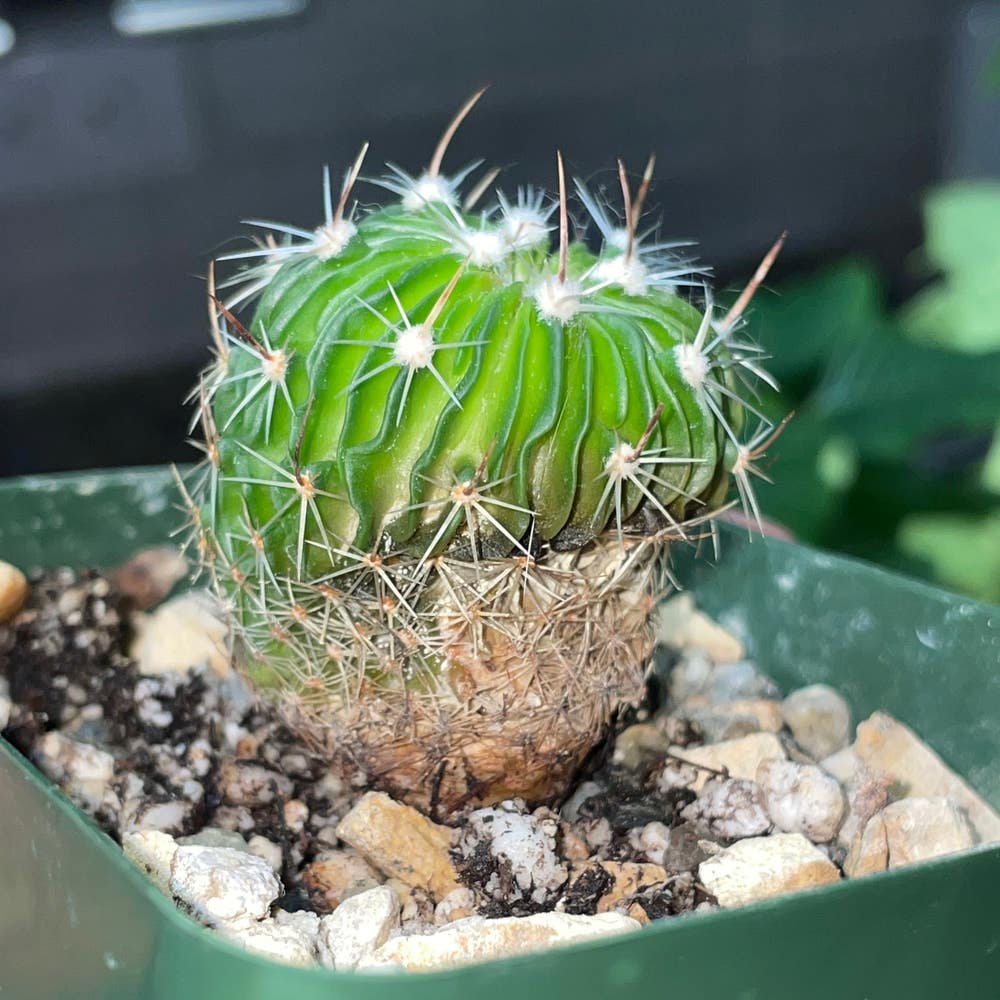
Thelocactus bicolor
By the Greg Editorial Team
Sep 30, 2024•5 min read
This article was created with the help of AI so we can cover more plants for you. May contain errors. See one? Report it here.
Master the ideal size and growth conditions for Glory of Texas plants 🌱 to create a thriving garden oasis!
- 🌳 Glory of Texas grows 3-6 feet tall and 3-5 feet wide, perfect for landscaping.
- ☀️ Full sun and well-drained soil are essential for optimal growth and size.
- 🌱 Growth can be boosted with proper watering, fertilizing, and effective pruning techniques.
Mature Height and Width
Typical Dimensions 🌱
The mature height of the Glory of Texas typically ranges from 3 to 6 feet. Its mature width can span from 3 to 5 feet, making it a versatile choice for various landscaping needs.
Factors Influencing Dimensions 🌍
Several environmental conditions play a crucial role in determining these dimensions. Optimal growth occurs in well-drained soils and full sun, which can significantly enhance the plant's overall size.
However, dimensions can vary based on specific growing conditions and care practices. Factors like soil quality, sunlight exposure, and watering habits can all influence how tall and wide these plants ultimately grow.
Understanding these elements is key to achieving the desired size in your garden. By providing the right conditions, you can ensure your Glory of Texas thrives and reaches its full potential.
This knowledge sets the stage for exploring how growth rates and time to maturity can further impact your gardening experience.
Growth Rate and Time to Maturity
🌱 Growth Rate
The growth rate of the Glory of Texas can vary significantly based on environmental conditions. Under optimal circumstances, you might see faster maturation, making it a rewarding choice for gardeners eager for quick results.
In different environments, growth rates can fluctuate. For instance, plants in well-drained soils with ample sunlight tend to thrive more than those in shaded or poor-quality soils.
⏳ Time to Maturity
Typically, the Glory of Texas reaches its full size within 3 to 5 years when conditions are ideal. This timeframe allows for a robust and healthy plant that can enhance your landscape.
However, suboptimal conditions can extend this period. Factors like inadequate sunlight or poor soil quality can slow growth, leaving you waiting longer for that mature look.
Understanding these dynamics can help you plan your garden effectively, ensuring you achieve the desired results in a timely manner.
Size Variability Based on Conditions
🌍 Environmental Impact on Size
Soil type and quality play a crucial role in the growth of Texas plants. Well-drained soils promote optimal growth, allowing plants to thrive and reach their full potential.
Conversely, poor soil quality can stunt growth and reduce dimensions. If your soil is compacted or lacks nutrients, you might notice smaller plants that struggle to flourish.
☀️ Sunlight Exposure
Full sun is essential for these plants, requiring 6 to 8 hours of direct sunlight daily. Without adequate sunlight, plants may become leggy and fail to achieve their expected size.
Partial shade can significantly affect growth and size. While some plants can tolerate a bit of shade, they often won't reach their mature dimensions under these conditions.
💧 Watering Practices
Watering practices are another critical factor influencing size. Consistent moisture is necessary for healthy growth, but overwatering can lead to root rot and other issues.
To achieve desired dimensions, aim for a balanced watering frequency. Typically, watering once a week is sufficient, but always adjust based on weather conditions and soil moisture levels.
Understanding these factors can help you optimize the growth of your Texas plants. Next, we’ll explore the various plant varieties available and how they differ in size and characteristics.
Varieties
Dwarf Varieties 🌱
Dwarf varieties of the Glory of Texas typically maintain a compact height of 2 to 3 feet. These smaller plants are perfect for tight spaces, making them ideal for container gardening or smaller landscapes.
Their manageable size allows for creative landscaping options, such as border plantings or accent pieces in gardens. Plus, they add charm without overwhelming the space.
Giant Varieties 🌳
On the other end of the spectrum, giant varieties can exceed typical dimensions, reaching impressive heights of up to 8 feet. These robust plants serve as stunning focal points in larger gardens or landscapes.
When planting giant varieties, consider their space requirements. They thrive best when given room to grow, ensuring they can showcase their full potential without crowding other plants.
Understanding these varieties helps you choose the right fit for your garden, enhancing both aesthetics and functionality. Next, let’s explore how to control the size of these plants for optimal growth.
Controlling Size
Pruning Techniques 🌿
To maintain the desired height and width of your Texas plants, effective pruning is essential. The best time to prune is in late winter or early spring, just before the growing season kicks in.
Thinning out older branches is a key technique. This encourages new growth and helps maintain a balanced shape, ensuring your plants thrive without becoming overgrown.
Growth Management Strategies 📏
Fertilizers play a crucial role in influencing growth rate and size. Using the right type can boost your plants' health and help them reach their optimal dimensions.
Spacing is another important factor. When planting, consider the space between each plant to control their overall size and ensure they have enough room to flourish without competing for resources.
Understanding these strategies will empower you to create a landscape that not only looks great but also thrives in harmony. Next, let’s explore the various plant varieties that can enhance your garden's aesthetic and functionality.
Practical Applications in Landscaping
Using Size in Landscape Design 🌳
Understanding the mature dimensions of plants is crucial for effective garden placement. The right size can create balance and harmony, enhancing the overall aesthetic of your landscape.
For instance, taller varieties can serve as stunning focal points, drawing the eye upward. Meanwhile, shorter plants can provide a lush, layered effect, making your garden feel more inviting and dynamic.
Companion Planting Considerations 🌼
Choosing companion plants that complement size and growth habits can elevate your garden's beauty. For example, pairing larger plants with smaller ones can create a visually appealing contrast.
Strategic planting not only enhances aesthetics but also promotes ecological balance. This approach can improve plant health by providing necessary shade or support, fostering a thriving garden ecosystem.
By thoughtfully considering dimensions and companion planting, you can create a landscape that is both beautiful and functional. This sets the stage for a vibrant outdoor space that reflects your personal style and enhances your environment.
⚠️ Safety First
This content is for general information and may contain errors, omissions, or outdated details. It is not medical, veterinary advice, or an endorsement of therapeutic claims.
Always consult a qualified healthcare professional before using any plant as food, medicine, or supplement.
Never eat any plant (or feed one to pets) without confirming its identity with at least two trusted sources.
If you suspect poisoning, call Poison Control (800) 222-1222, the Pet Poison Helpline (800) 213-6680, or your local emergency service immediately.
Spotted an error? Please report it here.
Unlock the full potential of your Glory of Texas 🌳 with Greg's tailored care tips and watering reminders, ensuring your garden flourishes beautifully!