🍂 Why Are the Leaves on My The Glory of Texas Turning Yellow?
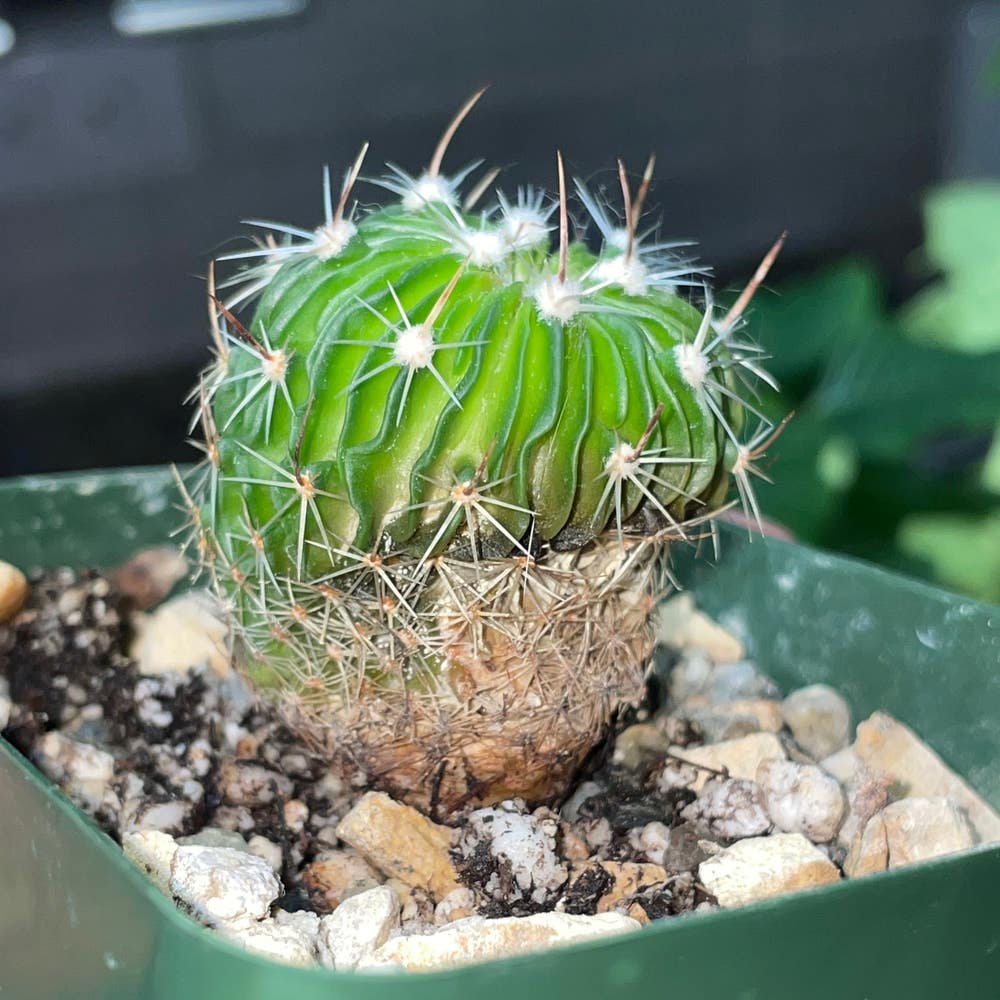
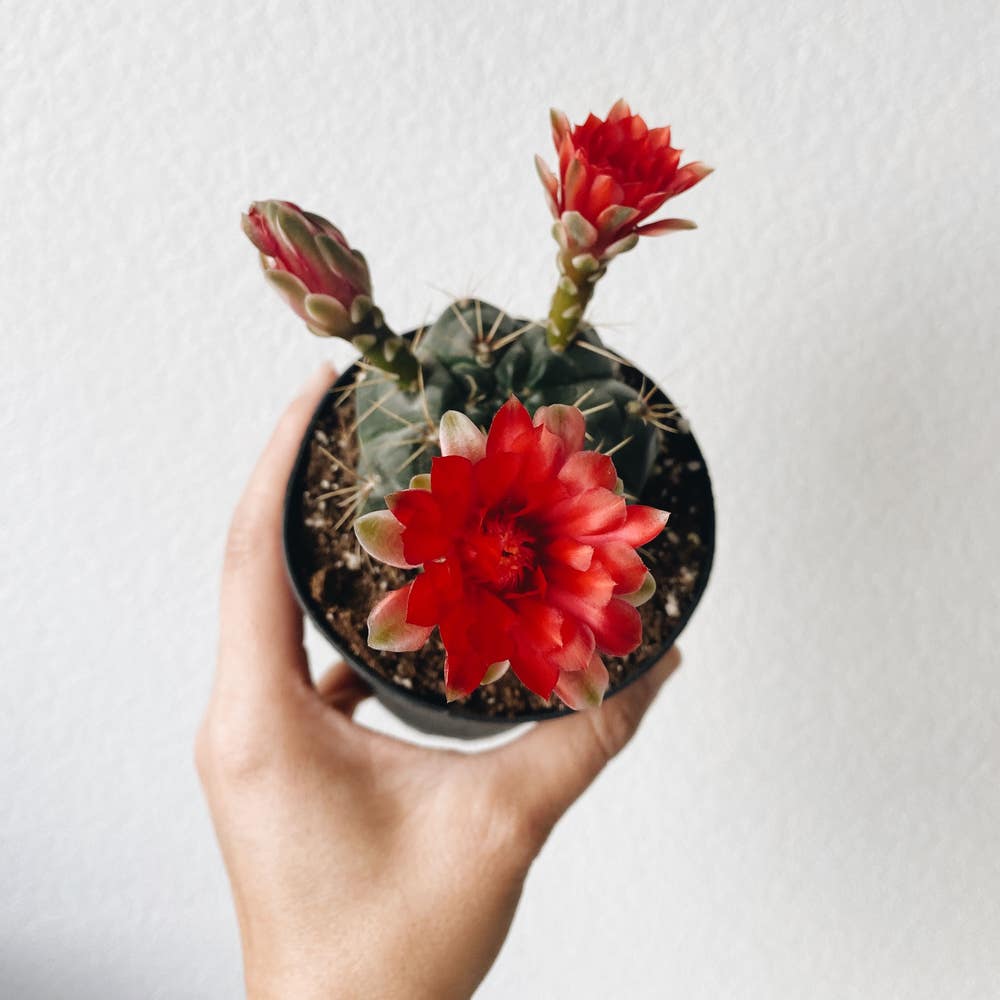
Thelocactus bicolor
By the Greg Editorial Team
Jun 18, 2024•4 min read
This article was created with the help of AI so we can cover more plants for you. May contain errors. See one? Report it here.
Revive your The Glory of Texas 🌿 from yellow to green with these essential plant-saving tips!
- 💧 Overwatering and underwatering both cause yellow leaves. Check soil moisture.
- ☀️🌱 Light and nutrients matter: Optimize light and fertilize properly.
- 🐛 Pests and diseases can yellow leaves. Use neem oil or beneficial insects.
Spotting the Signs: Yellowing Leaves on The Glory of Texas
🌊 Overwatering and Root Rot
Overwatering is a common misstep that can turn the leaves of The Glory of Texas a sickly yellow. Look for leaves that are as limp as overcooked noodles and soil that's more waterlogged than a swamp. If your plant feels heavier than it should, it's time to ease up on the hydration.
Steps to Rescue an Overwatered Plant
- Stop watering and let the soil dry.
- If the roots are rotting, trim the damaged parts and repot in fresh, well-draining soil.
- Reduce humidity around the plant to help the soil dry out faster.
🏜️ Underwatering Stress
When The Glory of Texas gets too thirsty, its leaves will crisp up like autumn leaves in a bonfire. Dry soil is a clear sign your plant needs a drink.
Finding the Watering Sweet Spot
- Water when the top inch of soil is dry.
- Ensure thorough watering that reaches the roots, but allows excess water to drain.
🌞 Light: Too Much or Not Enough?
Yellow leaves can also be a distress signal for improper lighting. Direct sunlight can scorch leaves, while too little light starves them of energy, leading to yellowing.
Optimizing Light Conditions for The Glory of Texas
- Place the plant in bright, indirect light.
- Rotate the plant regularly for even light distribution.
🍽️ Nutrient Needs and Deficiencies
Yellowing can also indicate a nutrient imbalance. The Glory of Texas might be starving for essential nutrients if you're skimping on the fertilizer.
Correcting Feeding Mistakes
- Use a balanced fertilizer at the beginning of the growing season.
- Always moisten soil before applying fertilizer to prevent root burn.

Battling Pests and Diseases
🐛 Common Culprits
Pests and diseases can turn The Glory of Texas from a showstopper to a sorry sight. Regular plant check-ups are the first line of defense. Look out for aphids, mealybugs, and scale insects—these are the usual suspects. They're not just creepy-crawlies; they're plant health criminals.
💥 Fight Back Strategies
When pests crash the party, it's time to fight back. Neem oil is your go-to weapon, a natural pesticide that shows bugs the door. For a more hands-on approach, ladybugs and lacewings are your allies, biological hitmen that take out the pests. And remember, sometimes the best move is to remove infected plants entirely—think of it as quarantine for your garden's health.

Turning Over a New Leaf: Recovery and Revival
💧 Water Wisdom
Tailoring your watering routine is key to plant recovery. After root rot or dehydration, it's not just about pouring water; it's about understanding your plant's unique thirst. Start by checking the soil moisture—if it's damp an inch down, hold off on watering. Consider adding perlite for better drainage, and keep the soil moist without making it soggy.
🌞 Light and Life
Adjusting light conditions can work wonders. Your plant needs a stable environment—too much direct sunlight can overwhelm it, especially during recovery. Find a spot with bright, indirect light where your plant can soak up the rays without getting scorched. Remember, consistency is better than a tanning session gone wrong.
🍽️ Feeding for Health
Nutrients are the plant's pick-me-up, but it's a fine line between a boost and a burn. Use a balanced fertilizer, and follow the instructions like you're defusing a bomb—precision is everything. Time your feedings with the growing season, and watch for signs of new green growth—that's your cue that you're on the right track.

Keeping the Green: Prevention Tactics
🌿 Consistent Care
Crafting a care schedule is your first line of defense against the yellowing leaves of The Glory of Texas. Like setting your alarm to wake up on time, a routine ensures your plant gets the right amount of water, light, and nutrients when it needs them.
👀 Vigilant Monitoring
Regular checks on your plant are like the routine car maintenance that prevents breakdowns. Spot a change in leaf color or texture? That's your cue to tweak your care routine, stat. Keep an eye out for pests too; they're like the uninvited guests at a party, and it's your job to show them the door before they wreak havoc.
⚠️ Safety First
This content is for general information and may contain errors, omissions, or outdated details. It is not medical, veterinary advice, or an endorsement of therapeutic claims.
Always consult a qualified healthcare professional before using any plant as food, medicine, or supplement.
Never eat any plant (or feed one to pets) without confirming its identity with at least two trusted sources.
If you suspect poisoning, call Poison Control (800) 222-1222, the Pet Poison Helpline (800) 213-6680, or your local emergency service immediately.
Spotted an error? Please report it here.
Turn those yellow leaves green again by nailing the perfect care routine, and let Greg 🌱 keep your The Glory of Texas thriving with spot-on watering and light reminders.