Best Soil Potting Mix for The Glory of Texas
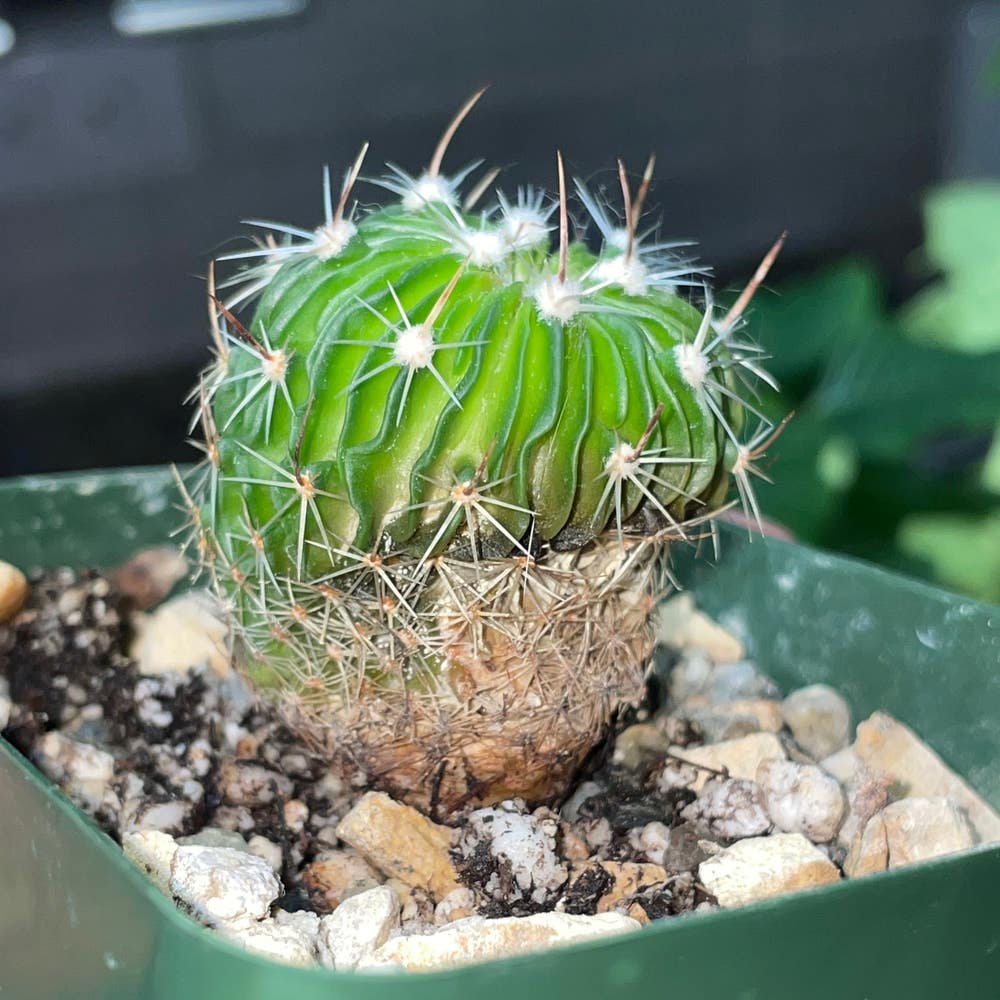
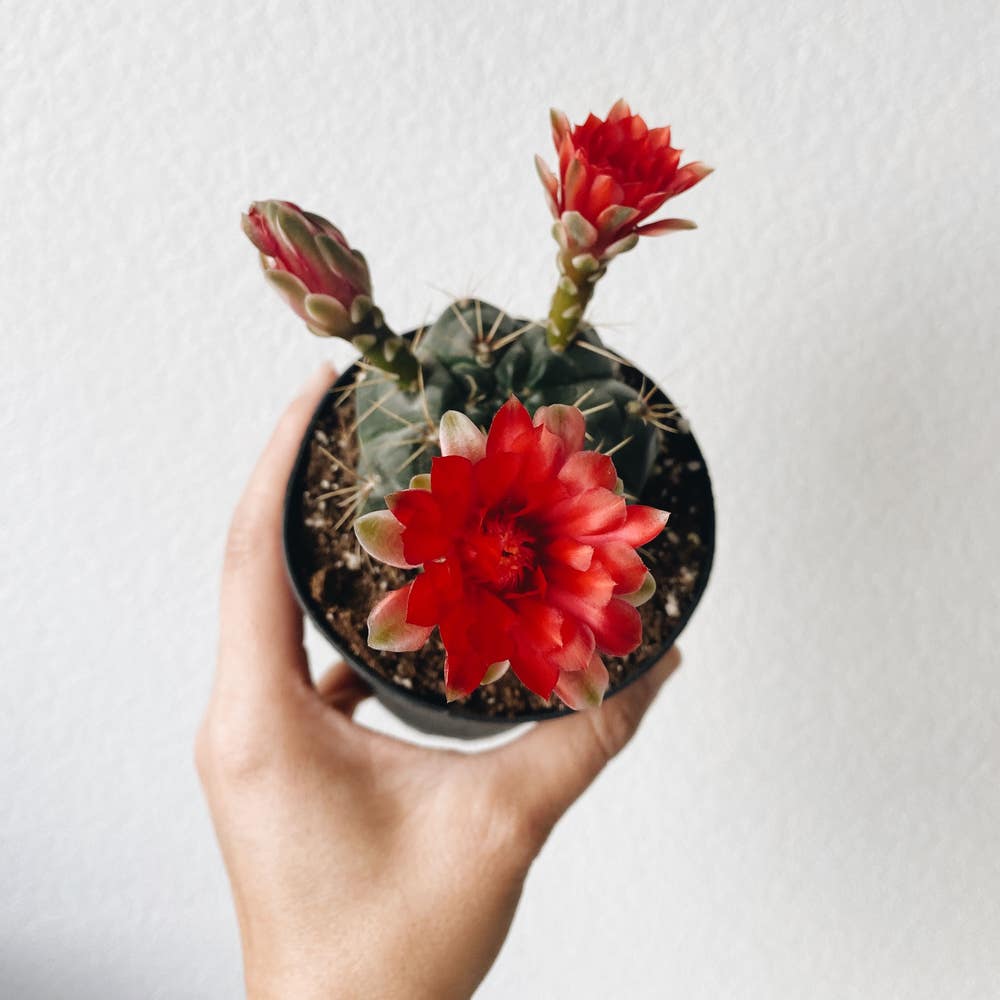
Thelocactus bicolor
By the Greg Editorial Team
Jun 18, 2024•4 min read
This article was created with the help of AI so we can cover more plants for you. May contain errors. See one? Report it here.
Nurture your Glory of Texas 🌵 to peak vibrancy with this tailored soil mix recipe for success!
- Mold signals soil distress; fix with less water and more air.
- Custom soil mix with precise moisture and nutrients for The Glory of Texas.
- Repot with signs like root-bound roots or dull leaves for plant health.
Spotting and Fixing Unhealthy Soil
🚨 Recognizing Trouble in Paradise
Mold in your Glory of Texas soil isn't just a visual blunder; it's an alarm bell. White fuzz or a musty smell? Your soil's in distress. Yellowing leaves and waterlogged conditions are the plant's way of saying, "Help!" It's essential to heed these warnings promptly.
🛠️ The Revival Plan
To rescue your plant from the clutches of mold, cut back on watering and boost air circulation. Sunlight is your best ally against mold, so let your plant soak up some rays. Persistent mold means it's time for a repotting session. Carefully remove the plant, shake off the compromised soil, and introduce it to a fresh, sterile mix. Aim for a drier environment to discourage mold's return. If the soil feels more like a swamp than a nurturing bed, reassess your watering habits and ensure your pot has adequate drainage. For roots that have taken a hit, it's time to trim the damaged parts. A consistent watering schedule is your best defense against future water woes.

Crafting the Perfect Soil Potting Mix
🌱 The Base Matters
Selecting the right potting soil is crucial for The Glory of Texas. It's the nutritional bedrock that supports vibrant growth. Opt for an all-purpose potting soil that retains nutrients without being overly rich.
💧 Balancing Moisture and Drainage
Moisture management is non-negotiable. Mix in peat moss or coconut coir to keep the soil's thirst at bay. Then, add perlite or coarse sand to ensure excess water can escape, preventing root rot. This delicate dance between hydration and drainage is key.

Tailoring a Homemade Mix for The Glory of Texas
💧 Getting the Proportions Right
Crafting a custom soil mix for The Glory of Texas is like hitting the right notes in a melody. For this plant, precision is key. Start with a 3:1 ratio of a well-draining cactus mix to perlite. This ensures quick drainage, preventing the sensitive roots from stewing in moisture. Then, for every 5 parts of this base, add 1 part of organic matter like compost or worm castings to inject a slow-releasing buffet of nutrients.
🌱 Nutrient Boosters
The Glory of Texas doesn't need a constant feed, but it appreciates a nutrient boost. Incorporate a handful of worm castings or a sprinkle of slow-release fertilizer into your mix. This will sustain the plant without overwhelming it, keeping it content and growing at its own leisurely pace. Remember, it's about creating a nurturing environment, not a nutrient hotbed.

When to Refresh and Repot
🌱 Spotting the Signs
Roots craving space? Leaves looking lackluster? It's repot time for The Glory of Texas. This plant doesn't have a snooze button, so when it shows signs of being root-bound or its growth stalls, get ready to act. Roots peeking out of drainage holes or circling the surface scream for a new home. If you find yourself watering more often than you check your social media, that's a clue.
The Repotting Process
Gear up—you're about to give your plant a new lease on life. Choose a pot that's a size larger; too big and you'll drown it, too small and you're back to square one. Ensure it has drainage holes to prevent a soggy disaster.
- Evict gently: Coax the plant out. If it plays hard to get, squeeze the pot or run a knife around the edge.
- Root inspection: Trim any dead or long roots. This isn't a haircut, it's a health check.
- New digs: Fill the new pot with a well-draining soil mix. Plant at the same depth it was before to avoid an identity crisis.
- Watering ritual: After repotting, water thoroughly. Think of it as the plant's housewarming party.
- Post-repot care: Keep an eye on the soil moisture like it's the last slice of pizza. Adjust your watering routine to the plant's new environment.
Timing is key. Spring or early summer is the sweet spot for repotting, aligning with the plant's growth spurt. Avoid repotting during bloom time; you wouldn't move houses during a family reunion, would you?
⚠️ Safety First
This content is for general information and may contain errors, omissions, or outdated details. It is not medical, veterinary advice, or an endorsement of therapeutic claims.
Always consult a qualified healthcare professional before using any plant as food, medicine, or supplement.
Never eat any plant (or feed one to pets) without confirming its identity with at least two trusted sources.
If you suspect poisoning, call Poison Control (800) 222-1222, the Pet Poison Helpline (800) 213-6680, or your local emergency service immediately.
Spotted an error? Please report it here.
Craft the ideal potting mix for your Glory of Texas and banish mold 🚫 with Greg's personalized care reminders, ensuring your plant thrives in its perfect home environment.