How Can You Tell If A The Glory of Texas Is Dying?
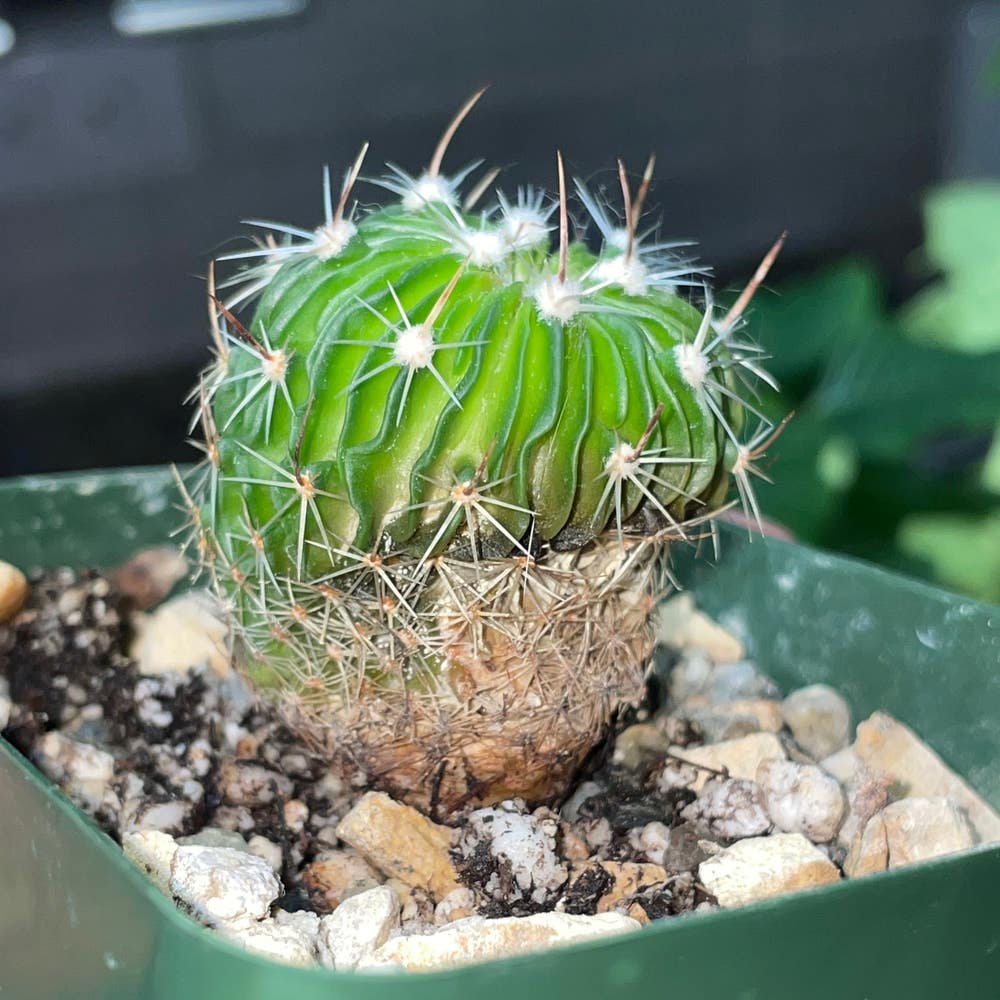
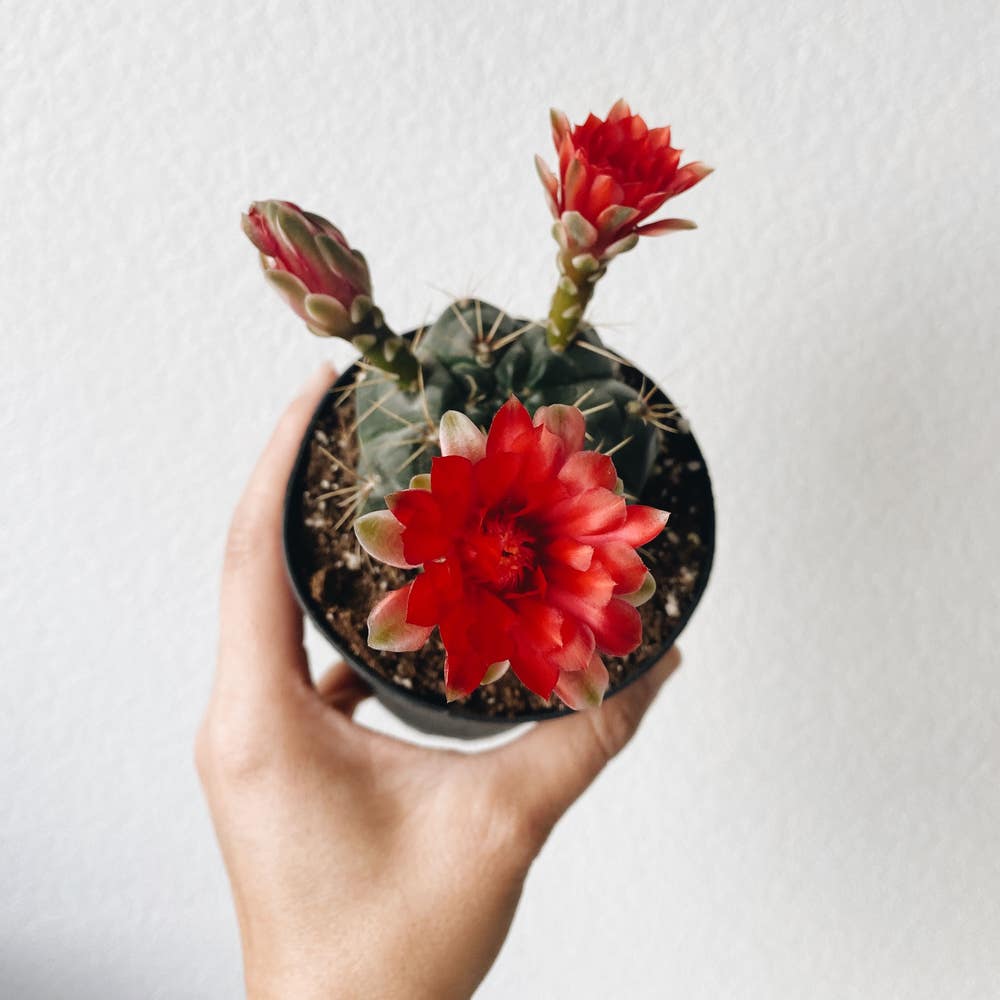
Thelocactus bicolor
By the Greg Editorial Team
Jun 18, 2024•4 min read
This article was created with the help of AI so we can cover more plants for you. May contain errors. See one? Report it here.
Spot early signs of distress 🌵 in your Glory of Texas and learn life-saving plant care tips! 🚑
- Yellow leaves and soil scent mean over-watering; trim back on watering.
- Wilting, browning tips, and droopy leaves signal water or temperature issues.
- Pests and root rot threaten The Glory of Texas; use natural remedies and check roots.
When Water Woes Wilt Your Glory of Texas
💧 Spotting the Signs of Over-Watering
Yellowing leaves and a soil scent that's off are your first clues that The Glory of Texas is getting too much love from the watering can. Soggy soil and leaves that feel like a wet sponge are the plant's way of waving a white flag.
Trim back on the hydration station and make sure your plant has proper drainage. If the roots are starting to feel like a squished marshmallow, it's time to take action and maybe even repot with fresh, dry soil.
🏜️ Under-Watering: The Thirsty Culprit
Wilting and browning tips are The Glory of Texas crying out for a drink. If the leaves are more crispy than your favorite snack, it's a clear sign that your watering game needs to step up.
To strike the right balance, water when the top layer of soil feels like a dry handshake – not too wet, not too dry. Consider using a moisture meter to remove the guesswork and ensure you're not leaving your plant high and dry.

Light and Temperature Tango
🌞 Too Much Sun, Not Enough Fun
Identifying leaf scorching in The Glory of Texas is straightforward: look for brown, crispy tips or bleached areas. These are distress signals from your plant, begging for a break from the sun's relentless gaze.
To prevent crispy leaves, adjust light exposure. Move your plant to a spot with indirect sunlight, or use sheer curtains to diffuse the light. Remember, The Glory of Texas thrives in full sun, but like anything, too much can be harmful.
❄️ Chilly Woes: When Temperatures Drop
When your The Glory of Texas is too cold, it'll show you. Signs include droopy leaves and slowed growth. It's not just about keeping your plant warm; it's about maintaining a consistent temperature to avoid shocking its system.
Keeping your plant cozy involves strategic placement. Keep it away from drafty windows and doors, and consider the use of grow lights or room heaters to maintain a stable environment. The goal is to mimic a comfortable spring day, every day.

Bug Battles and Fungal Foes
🐛 Pests: Uninvited Guests on Your The Glory of Texas
Aphids, mealybugs, and spider mites top the list of freeloaders on your plant's leaves. These pests suck the life out of your Glory of Texas, leaving behind a sticky residue called honeydew. Check for tiny insects or webbing on the undersides of leaves.
To evict these pests, wipe leaves with a damp cloth and apply insecticidal soap or neem oil. For a more hands-off approach, introduce ladybugs or lacewings to your garden; they're natural predators that love a good pest feast.
🍄 Mold and Fungus Among Us
Fungi thrive in moist conditions, so overwatering or high humidity can turn your plant's home into a mushroom party. Black spot and powdery mildew are common uninvited guests. Look for discolored patches or a dusty coating on leaves.
Increase airflow around your plant and reduce watering to crash the fungal fiesta. If the situation calls for it, consider a fungicide—but always opt for the least toxic option. Prevention is key: keep the area dry and your Glory of Texas will thank you.

Root Rot: The Silent Killer
🚨 Recognizing Root Rot in The Glory of Texas
Root rot sneaks up like a thief in the night, often going unnoticed until it's too late. Early warning signs include stunted growth and leaves that have the unappealing texture of overripe fruit. When roots take on a dark, mushy appearance, it's a red flag that root rot has set in.
🛠 Steps to Take if Root Rot Has Taken Hold
At the first suspicion of root rot, it's time for action. Unpot your The Glory of Texas and inspect the roots. Healthy roots should be firm and white, not blackened or slimy. If root rot is confirmed, remove all affected areas with sterile instruments. Repot the plant in fresh, well-draining soil and adjust your watering schedule to prevent future overwatering. Remember, vigilance is key; root rot doesn't take a day off.
⚠️ Safety First
This content is for general information and may contain errors, omissions, or outdated details. It is not medical, veterinary advice, or an endorsement of therapeutic claims.
Always consult a qualified healthcare professional before using any plant as food, medicine, or supplement.
Never eat any plant (or feed one to pets) without confirming its identity with at least two trusted sources.
If you suspect poisoning, call Poison Control (800) 222-1222, the Pet Poison Helpline (800) 213-6680, or your local emergency service immediately.
Spotted an error? Please report it here.
Ensure your Glory of Texas flourishes 🌵 with Greg's custom care reminders, preventing overwatering, under-watering, and pest woes before they start!