How and When Should I Cut Back My The Glory of Texas?
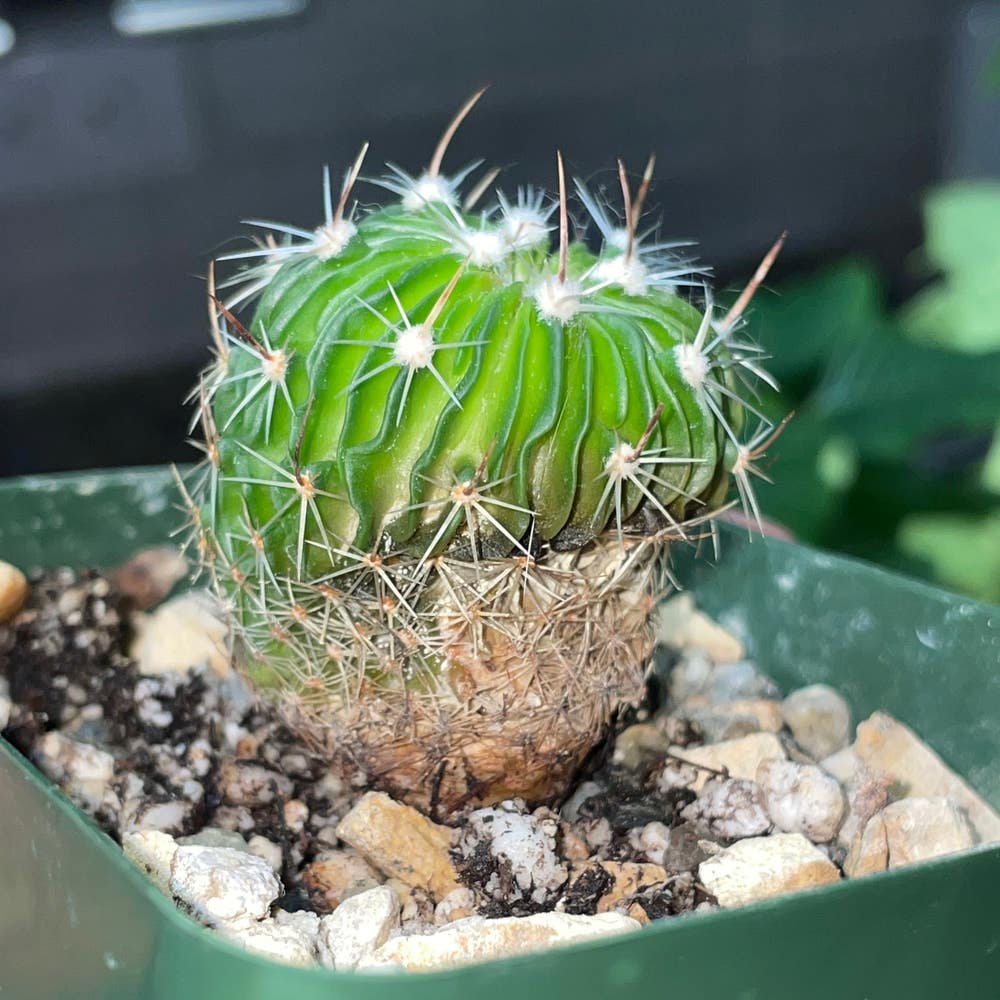
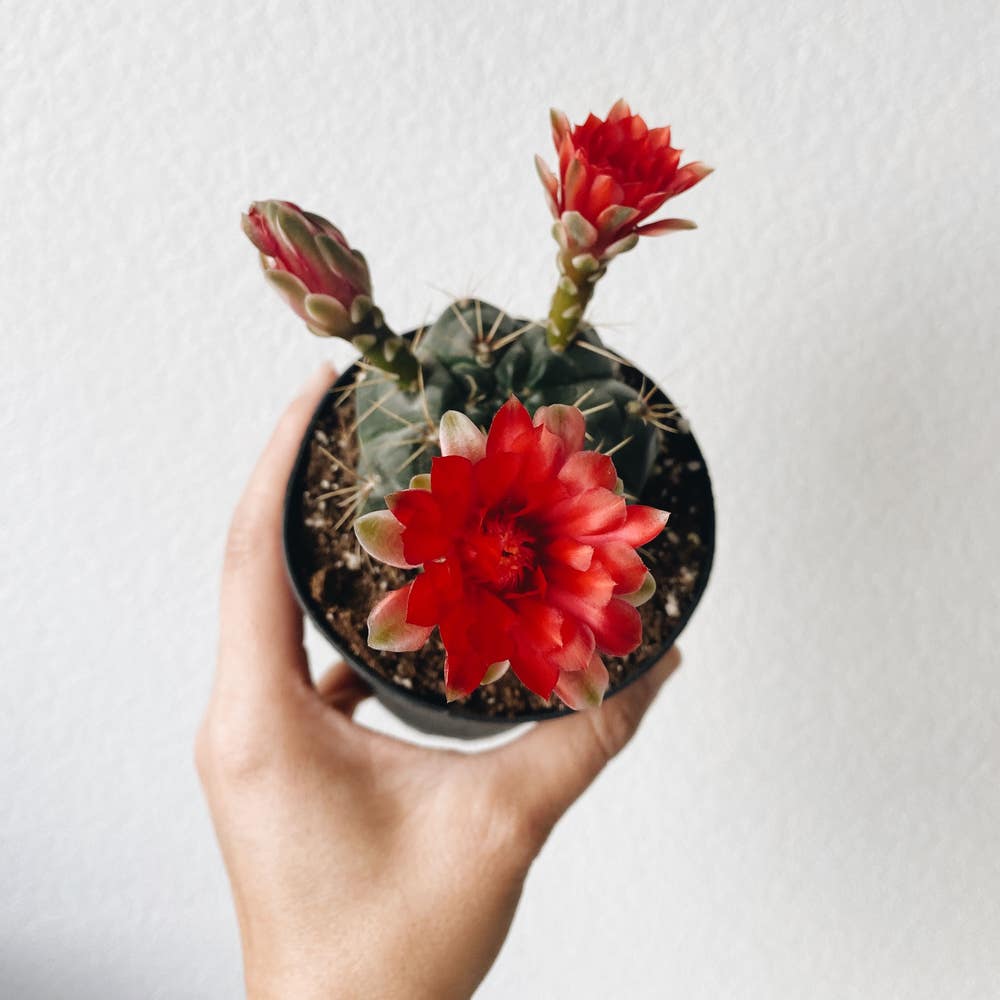
Thelocactus bicolor
By the Greg Editorial Team
Jun 18, 2024•4 min read
This article was created with the help of AI so we can cover more plants for you. May contain errors. See one? Report it here.
Transform your garden's pride with expert pruning tips for a flourishing Glory of Texas. 🌿✨
- Spring for growth, fall for maintenance - prime pruning times for The Glory of Texas.
- 🌸 Deadheading encourages more blooms; strategic shaping boosts health and beauty.
- Sharp shears and sterilization are crucial for clean cuts and disease prevention.
Timing Your Pruning Perfectly
🌱 Seasonal Pruning Windows
Spring is the prime time for pruning The Glory of Texas. It's when the plant shakes off its winter slumber and gears up for a season of vigorous growth. Early spring pruning sets the stage for a vibrant display of blooms and a robust plant structure. Conversely, fall is your cue for maintenance—trimming away any dead or diseased wood, preparing the plant for a restful winter.
Growth Cycle Considerations
Understanding the growth cycle of The Glory of Texas is crucial for timing your pruning. Active growth phases are opportune moments for making cuts, as the plant can heal quickly and redirect its energy to produce new shoots and flowers. Avoid pruning when the plant is dormant or when it's about to enter dormancy, as this can stunt its development and reduce flowering potential. Remember, every snip should be a strategic decision to guide the plant towards lush, healthy growth.

Pruning Techniques for a Gorgeous Plant
💐 Deadheading for Continuous Blooms
Deadheading is your go-to move for nonstop color. Snip off those tired blooms to tell your plant to keep the flowers coming. It's like flipping a switch to redirect energy from seed production to pumping out fresh blossoms. Be precise; don't accidentally clip those promising buds.
✂️ Shaping for Beauty and Health
Shaping is not just about curb appeal; it's plant wellness, too. Trim strategically to maintain a look that turns heads while cutting away the dead weight. This means snipping off any dead or diseased branches that are cramping your plant's style. Remember, it's about finding that sweet spot between a light trim and a full-on chop.
🌱 Rejuvenation Pruning
When your plant looks more 'meh' than magnificent, it's time for rejuvenation pruning. This is the big leagues—cutting back hard to give your plant a new lease on life. Don't be too hasty, though; research your plant's needs first. Timing is everything, and so is technique. Get it right, and you'll be rewarded with a plant that's all vigor and no filler.

Pruning Prep: Tools and Tips
🛠️ Essential Pruning Gear
Sharpness is non-negotiable when it comes to pruning shears. They're the surgeon's scalpel for your Glory of Texas, ensuring clean cuts and a swift healing process. Don't skimp on quality; a ragged trim is like a bad haircut—obvious and embarrassing.
For the tiny twigs and leaves, scissors come in handy. They're like the detail brush to your pruning palette, allowing for meticulous work on finer foliage.
Sterilizing your tools isn't just a good practice; it's a necessity. Think of it as the hand-washing of gardening—rubbing alcohol or a bleach solution will do the trick. This step is crucial to prevent your plant from catching the botanical equivalent of a cold.
📋 Pre-Pruning Checklist
Before you dive into pruning, inspect your plant like a hawk scouting its prey. Identify the dead, damaged, or unsightly parts—these are your targets.
Clean your tools. Dip them in your chosen disinfectant, because spreading diseases is worse than sharing spoilers.
Plan your cuts. You're the stylist here, and every snip should be intentional. Remember, you're aiming for a trim, not a plant buzz cut—never remove more than 25% of the plant.
Finally, post-prune cleanup is like doing the dishes after cooking—it's part of the process. Dispose of the cuttings properly, unless you're planning to propagate, which is a whole other exciting adventure.

Pruning Pitfalls: Mistakes to Dodge
🌿 Overzealous Cutting Consequences
Pruning can be like a caffeine buzz – it's easy to go overboard. Over-pruning can stress your plant, stunting growth and leaving it vulnerable to disease. To avoid turning your Glory of Texas into a shadow of its former self, never remove more than one-third of the plant at a time. This is not a race to the bottom; it's a strategic endeavor to enhance the plant's health and beauty.
✂️ Technique Troubles
Now, let's talk technique. Clean cuts are crucial; they're like clean breaks in a relationship – they heal better. Always cut just outside the branch collar to avoid harming the plant's natural defenses. And remember, dirty tools are a no-go. They can spread disease faster than a sneeze in an elevator. Keep your shears sanitized to prevent turning your pruning session into an episode of "Plant ER."
Avoid the infamous "heading cuts" on large branches. If you're dealing with a hefty limb, use the 3-cut method to prevent bark tears. It's like diffusing a bomb – you have to do it right, or things get messy. And steer clear of lion tailing; stripping the interior branches can leave your plant looking like it's trying too hard to be a palm tree.
In summary, wield your pruners with precision and respect the plant's limits. It's about finesse, not force.
⚠️ Safety First
This content is for general information and may contain errors, omissions, or outdated details. It is not medical, veterinary advice, or an endorsement of therapeutic claims.
Always consult a qualified healthcare professional before using any plant as food, medicine, or supplement.
Never eat any plant (or feed one to pets) without confirming its identity with at least two trusted sources.
If you suspect poisoning, call Poison Control (800) 222-1222, the Pet Poison Helpline (800) 213-6680, or your local emergency service immediately.
Spotted an error? Please report it here.
Prune your The Glory of Texas 🌟 to perfection by letting Greg remind you of the ideal spring and fall schedules, ensuring continuous blooms and robust health.