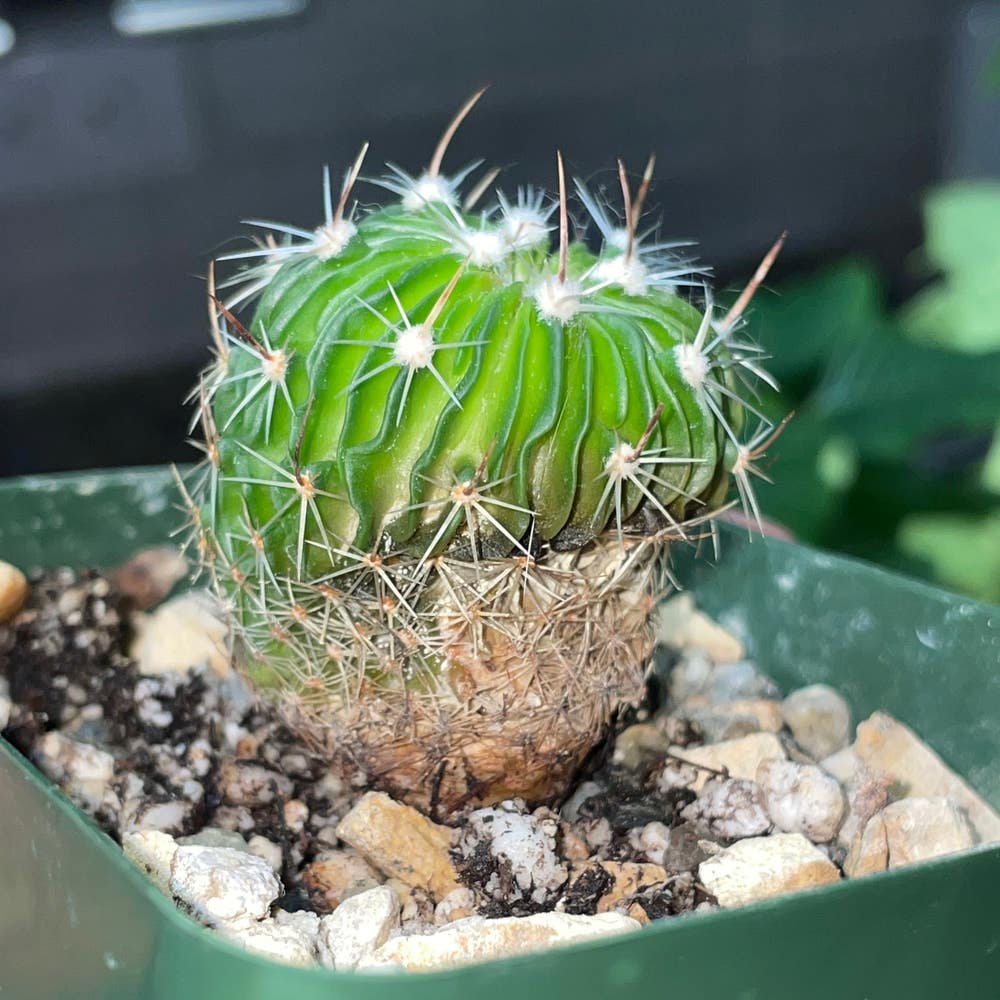
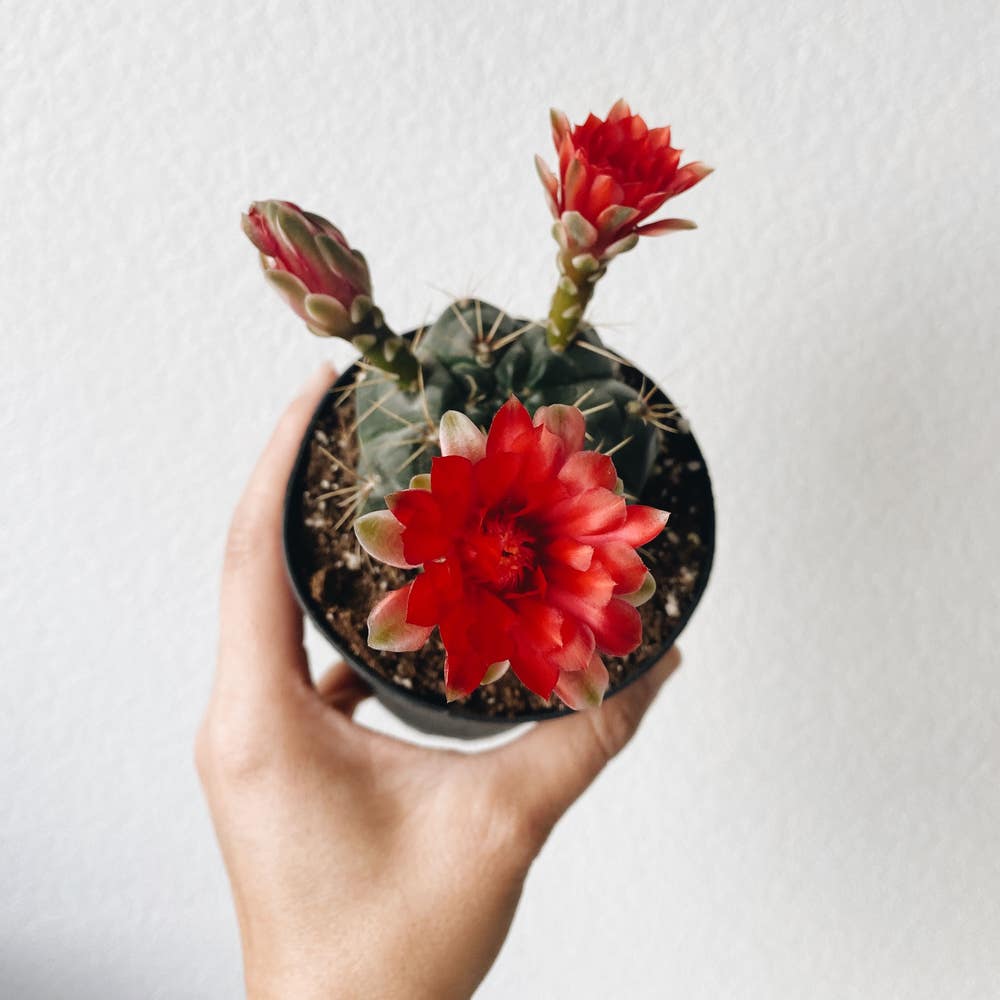
💧 Why Are My The Glory of Texas Leaves Mushy?
Thelocactus bicolor
By the Greg Editorial Team
Jun 18, 2024•3 min read
This article was created with the help of AI so we can cover more plants for you. May contain errors. See one? Report it here.
Save your plant from mushy mayhem 🍂 with expert tips to tackle overwatering and fungus foes!
- Overwatering and poor drainage lead to mushy leaves and root rot.
- Immediate action required: Trim roots, repot, and upgrade drainage.
- Prevent future mushiness with proper watering and anti-fungal measures.
Spotting Trouble: Signs Your Plant's Leaves Are Too Mushy
🚱 Overwatering Red Flags
Soggy soil should set off your alarm bells—it's the classic sign you're overwatering. If your plant's leaves have the firmness of a soggy sponge, you've been too generous with the H2O. And let's not ignore the stench of decay, a surefire sign that root rot might be setting in.
🚰 Drainage SOS
If your plant's pot feels like it's training for a heavyweight championship, it's probably waterlogged. Poor drainage can turn your plant's home into a swamp. Leaves that are more mush than muscle are crying out for better drainage.
🍄 Fungus Among Us
Fungal issues are like that one guest who overstays their welcome. Discoloration and soft texture are your plant waving a white flag against these uninvited guests. Spots on the leaves that weren't part of the original design? Time to show that fungus the door.

First Aid for Mushy Leaves
🌊 Rescuing Roots from the Flood
When your plant's roots are drowning, immediate action is needed. Gently remove the plant from its pot and inspect the roots. Trim away any that are dark and mushy—these are beyond saving. For the survivors, consider repotting into fresh, well-draining soil to give them a new lease on life.
🚰 Drainage Rehab
If your plant's pot is more sealed than a bank vault, it's time for a drainage upgrade. Ensure your new pot has enough holes to make Swiss cheese jealous. Mix in some perlite or coarse sand to the soil to prevent it from compacting, which should help keep those roots breathing easy.
🍄 Kicking Out the Fungus
Fungus is a freeloader that thrives in soggy conditions. Show it the door by pruning any infected leaves with sterilized tools—think of it as giving your plant a much-needed haircut. Afterward, consider a targeted fungicide, but read the label like you're studying for a final exam to ensure it's the right fit for your plant.

Future-Proofing Against the Mush
💧 Watering Wisdom
Check the soil before you water. If it's damp, your plant doesn't need a drink. Water deeply but infrequently to promote strong root growth. Consider a moisture meter for precision; it's a small investment for plant health.
🌱 The Perfect Potting Mix
Your plant's potting mix should drain well yet retain enough moisture. Mix potting soil with perlite or sand to achieve this balance. It's like equipping your plant with the right gear for a marathon—endurance without the weight.
🍄 Fungal Prevention Tactics
Prune regularly to increase airflow and reduce moisture that can lead to fungus. Keep leaves dry and ensure good air circulation around your plant. If mushrooms appear, remove them promptly and maybe water less. Remember, a dry topsoil layer is your friend in the fight against fungus.

⚠️ Safety First
This content is for general information and may contain errors, omissions, or outdated details. It is not medical, veterinary advice, or an endorsement of therapeutic claims.
Always consult a qualified healthcare professional before using any plant as food, medicine, or supplement.
Never eat any plant (or feed one to pets) without confirming its identity with at least two trusted sources.
If you suspect poisoning, call Poison Control (800) 222-1222, the Pet Poison Helpline (800) 213-6680, or your local emergency service immediately.
Spotted an error? Please report it here.
Revive your Glory of Texas from mushy to marvelous 🌱 by leveraging Greg's custom watering schedules and soil mix advice for the ultimate root revival.