Black Spots on My The Glory of Texas Leaves
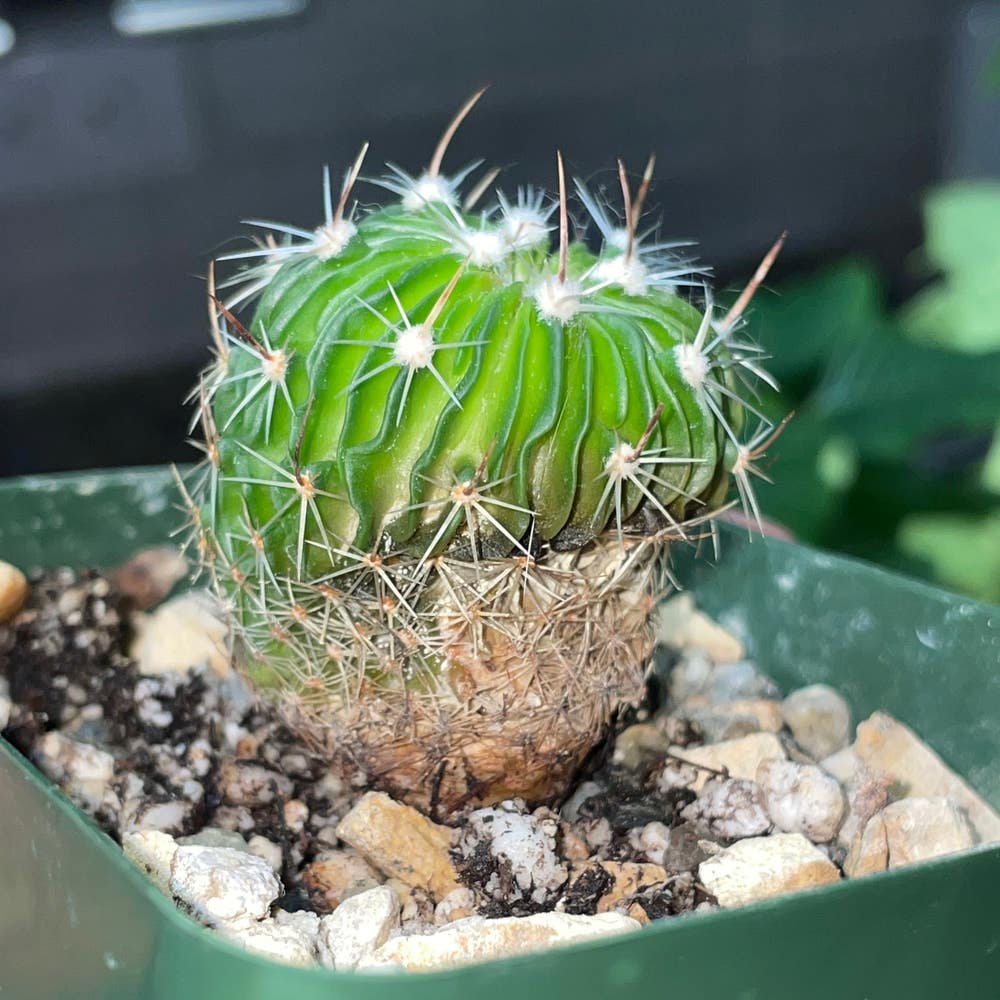
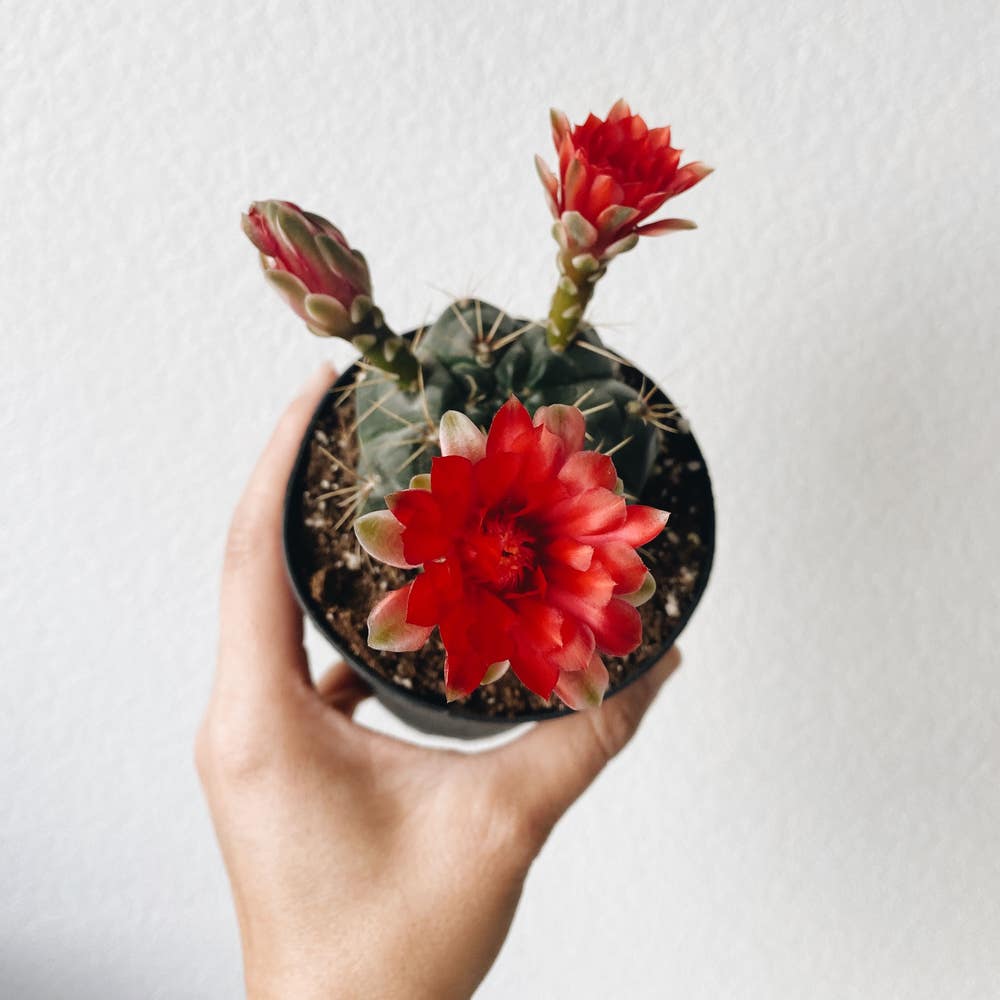
Thelocactus bicolor
By the Greg Editorial Team
Jun 18, 2024•4 min read
This article was created with the help of AI so we can cover more plants for you. May contain errors. See one? Report it here.
Banish black spots 🌑 and restore your The Glory of Texas to its full splendor with this essential care guide.
- Black spots escalate if untreated; look for dark margins and concentric rings.
- Fungi and bacteria love moisture; overwatering and humidity are key culprits.
- Prevent with airflow, watering, and hygiene; use fungicides and copper for treatment.
Spotting the Culprit: Recognizing Black Spots
👀 Visual Inspection
Flip those leaves; black spots love to lurk on the undersides. They're small, dark, and unassuming at first—mere specks less than ⅛ inch across. But like a bad habit, they grow if ignored, merging into larger, more troublesome blotches.
📈 Progression Patterns
Time is not your friend here. Early spots may seem trivial, but they can escalate into a full-blown leaf crisis. Watch for spots with dark margins or concentric rings—these are the red flags of a plant party gone wrong. If you notice a pattern of spots spreading from new to old leaves, it's time to intervene.

Unearthing the Causes: Pathogens and Environment
🍄 Pathogens at Play
Fungal foes like Cercospora and Anthracnose are notorious for leaving black spots on The Glory of Texas leaves. These fungi flourish in moist conditions and are often the primary suspects when black lesions appear.
Bacterial baddies, including Pseudomonas and Acidovorax, cause spots with a distinctive look—often surrounded by a yellow halo. These bacteria exploit wet conditions and can lead to rapid leaf deterioration.
💨 Environmental Triggers
Overwatering is a common mistake that can lead to black spot development. It's crucial to strike a balance; too much water creates a haven for fungi and bacteria.
Stale air and high humidity are the sidekicks of pathogens. Poor circulation and excessive moisture set the stage for black spots to thrive. It's like throwing a party for pests, and your plant's leaves are the venue.

Crafting the Cure: Treatment Strategies
🍄 Fungus Among Us: Battling Fungal Infections
Fungicides are the go-to when The Glory of Texas is under fungal siege. But not all fungicides are created equal. Copper-based options are often recommended, acting more like a shield to prevent spread rather than a sword to cure. For a gentler approach, concoctions of baking soda and soap can serve as an initial line of defense. Always adhere to the label's instructions like it's the holy grail of plant care.
To prevent future outbreaks, adjust your plant's lifestyle. Ensure good air circulation and remove any infected leaves with the precision of a ninja. Think of it as giving your plant a fresh start and a better chance at a spotless existence.
🦠 Bacteria Be Gone: Addressing Bacterial Infections
When bacteria invade, reach for copper compounds to keep these microscopic menaces in check. They're selective, so confirm they're the right choice for your plant's specific bacterial strain. Sanitation is your best ally. Sterilize your tools with the diligence of a surgeon and remove fallen leaves as if they're ticking time bombs.
Remember, bacteria despise long-distance relationships. Rotate your plants and ensure they aren't wallowing in moisture. Proper drainage is key—wet conditions are a bacteria's playground. Keep the soil as dry as a desert while providing the necessary moisture for your plant to thrive.

Keeping the Spots Away: Prevention Tactics
💧 Water Wisdom: Perfecting Your Watering Routine
Watering can feel like a high-stakes game of precision. Early morning is your golden hour, letting leaves dry out before the moon clocks in. Aim for the soil's sweet spot – not too soggy, not too parched. Use the finger test: if the top inch is dry, it's time to give your plant a drink. Waterproof saucers? They're your sidekicks, keeping excess water from throwing a humidity party.
💨 Airflow and Acclimation: Ensuring Your Plant Breathes Easy
Think of good airflow as your plant's personal trainer, keeping it fit and resilient. Cramped spaces are out. Your plant needs room to show off its moves. A fan can provide a gentle breeze, but avoid creating a wind tunnel. Regular grooming, like a haircut for your plant, prevents dead leaves from cramping its style and airflow.
💦 Humidity Harmony: Balancing Moisture in the Air for Spot-Free Leaves
Humidity is a balancing act. Too much, and you're in a tropical storm; too little, and it's desert dry. A hygrometer is your trusty tool for keeping tabs on moisture levels. If you're swimming in humidity, a dehumidifier will be your lifeline. On the flip side, a pebble tray or humidifier can save your plant from a thirst crisis. Remember, you're aiming for that Goldilocks zone – just right.
⚠️ Safety First
This content is for general information and may contain errors, omissions, or outdated details. It is not medical, veterinary advice, or an endorsement of therapeutic claims.
Always consult a qualified healthcare professional before using any plant as food, medicine, or supplement.
Never eat any plant (or feed one to pets) without confirming its identity with at least two trusted sources.
If you suspect poisoning, call Poison Control (800) 222-1222, the Pet Poison Helpline (800) 213-6680, or your local emergency service immediately.
Spotted an error? Please report it here.
Keep your The Glory of Texas leaves thriving 🌿 by leveraging Greg's tailored care reminders to dodge those black spots before they start!