Why Is My The Glory of Texas Dropping Leaves?
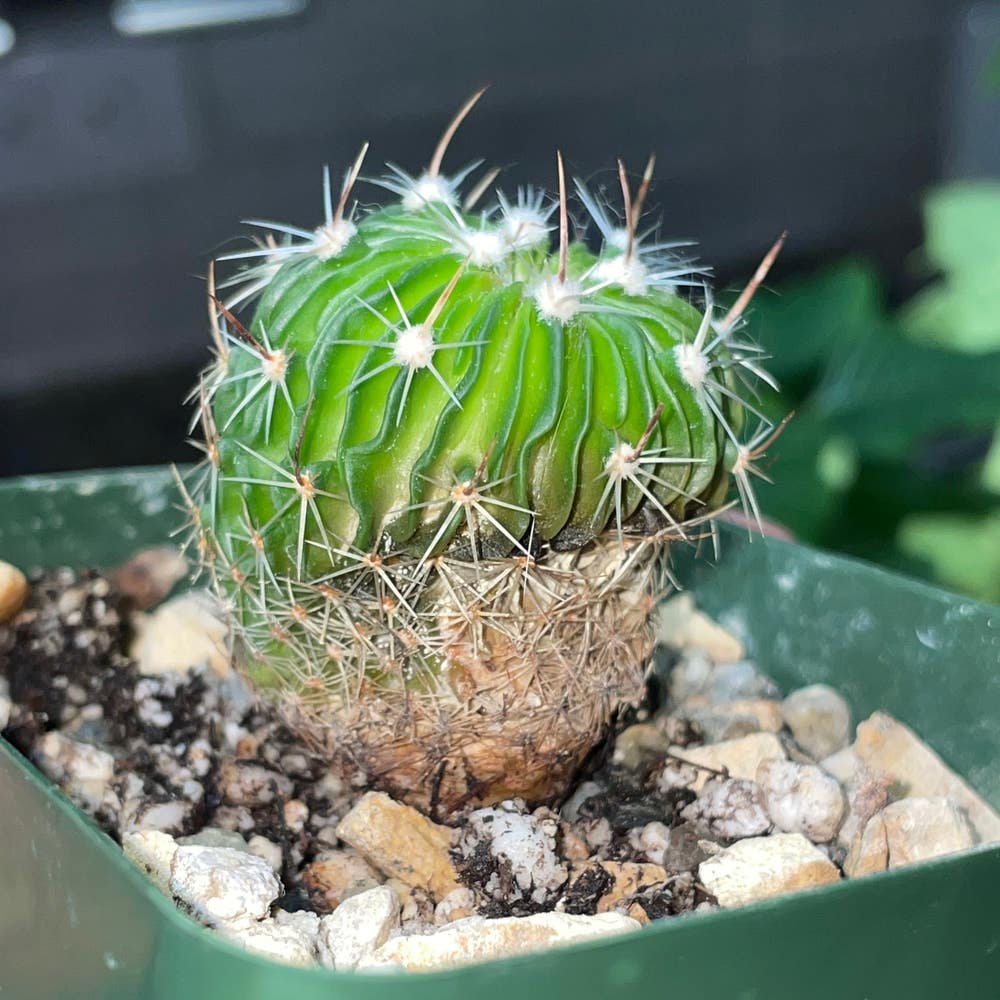
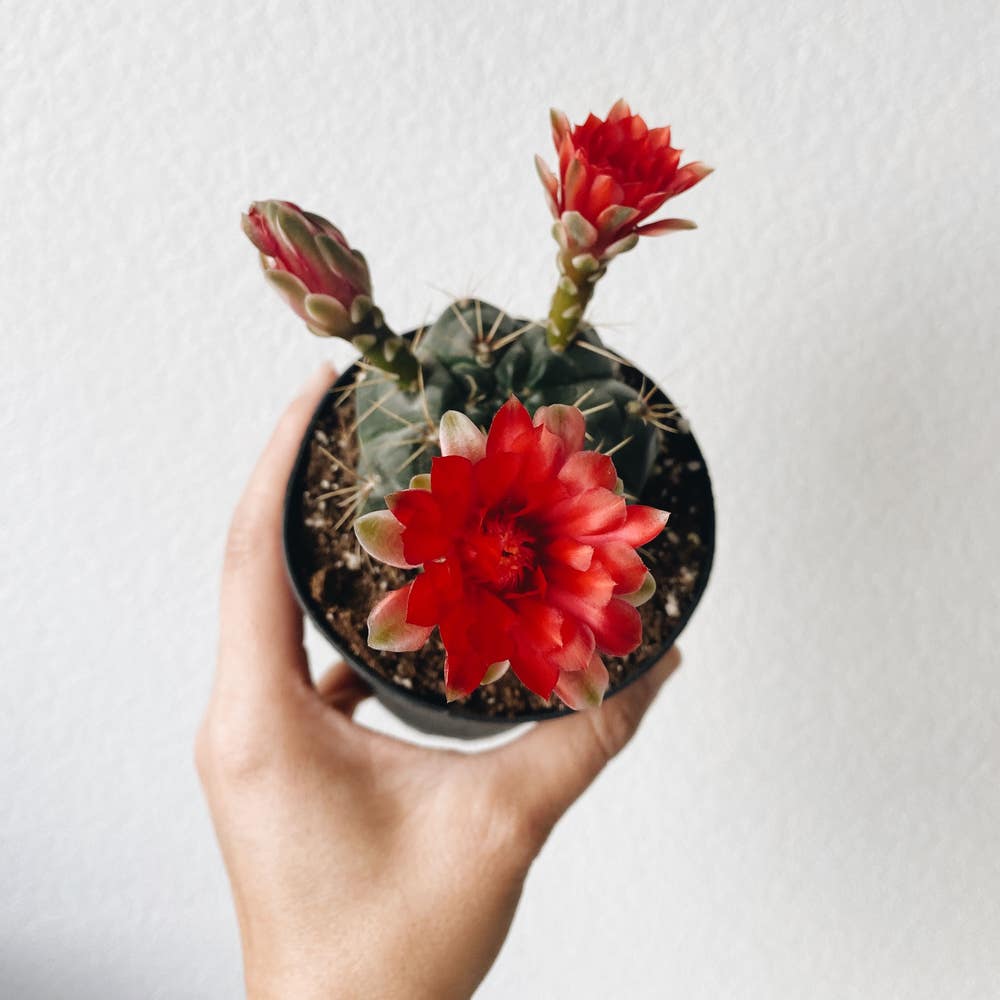
Thelocactus bicolor
By the Greg Editorial Team
Jun 18, 2024•4 min read
This article was created with the help of AI so we can cover more plants for you. May contain errors. See one? Report it here.
Uncover the secrets to halting leaf drop 🍂 and reviving your The Glory of Texas to its full splendor.
- Visual cues indicate health: Look for vibrant leaves or signs of stress.
- Water wisely: Overwatering causes root rot, underwatering leads to drought.
- Stable environment is key: Avoid drafts, extreme temperatures, and adjust care seasonally.
Spot the Signs: Diagnosing Leaf Drop in The Glory of Texas
Visual cues are paramount in assessing the health of The Glory of Texas. A healthy plant boasts robust, vibrant leaves, while a stressed one exhibits discoloration, spots, or a wilted demeanor.
🌿 Recognizing Healthy vs. Stressed Plants
Healthy Glory of Texas plants maintain a consistent leafy appearance. In contrast, stressed plants might display brown spots or leaves that surrender their hold prematurely.
⏰ Timing and Patterns of Leaf Drop
Normal leaf shedding occurs gradually, akin to a slow fade. However, abnormal leaf drop is more like a plant in panic mode, shedding leaves unpredictably and rapidly.
🚨 Immediate Action for Fallen Leaves
At the first sign of unexpected leaf drop, investigate. Check for pests, probe the soil for moisture levels, and ensure the plant isn't in the path of harsh drafts or extreme temperatures.
Watering habits need scrutiny; overzealous hydration can be just as harmful as neglect. If the soil feels more like a swamp than a nurturing medium, it's time to adjust your approach.
Remember, leaf drop is a plant's distress signal, not a seasonal wardrobe change. Keep a close eye on these indicators, and you'll be well on your way to restoring your Glory of Texas to its full splendor.

Water Woes: Tackling Over and Underwatering
Finding the sweet spot for watering The Glory of Texas can be like trying to tune a vintage radio—too much static and you lose the music. Overwatering turns your plant's roots into a mushy mess, while underwatering leaves them gasping for moisture.
💧 The Balancing Act
Consistency is key. Water when the top inch of soil feels dry—no sooner. If you're the forgetful type, a moisture meter could become your new best friend.
🦠 Root Rot Rundown
If your plant's base is softer than a marshmallow at a campfire, you've got root rot. Stop watering immediately and let the soil dry out. If the roots look like they belong in a horror flick, trim the dead parts and repot in fresh, well-draining soil.
💦 Thirst Traps
To quench your plant's thirst without overdoing it, water until it drains from the bottom, like a mini waterfall. Then let it be, allowing the soil to dry out like a towel in the sun before the next watering. If you're overzealous with the watering can, you'll need to dial it back and let the plant breathe.
Remember, your plant doesn't stick to a drinking schedule—it sips when it needs to, influenced by the environment. So, keep an eye on the weather and your heating vents; they're the silent players in this game of hydration.

Battling Environmental Stressors
🌡️ Keeping it Comfy
Stability is the name of the game for The Glory of Texas. This plant doesn't appreciate the "thrill" of temperature swings. Aim for a steady room temperature to avoid stress-induced leaf drop.
🌬️ Draft Dodging
Drafts are the silent assassins of The Glory of Texas's leafy splendor. Position your plant away from windows, doors, and vents to protect it from those sneaky gusts.
🌡️ Temperature Tantrums
Your plant is no fan of extreme heat or cold. Avoid placing it near heat sources in winter or in the path of direct, scorching summer sunlight. Think of it as keeping your plant in a comfortable middle ground—not too hot, not too cold.
💨 Humidity and Airflow
Keep humidity on the low side; this isn't a tropical plant. Use an oscillating fan for gentle air movement to prevent the air from getting stale and to discourage pathogens. Remember, dry is better than damp for The Glory of Texas.
🍂 Seasonal Shifts
As seasons change, so should your care routine. Less water in winter, more shade in summer. It's about adapting to keep your plant from throwing a leaf-dropping fit.

Feeding Finesse: Nutritional Deficiencies and Solutions
💡 The Nutrient Know-How
Yellowing leaves? Stunted growth? Your Glory of Texas might be crying out for a nutrient boost. Nitrogen, phosphorus, and potassium are the big three, but don't forget the supporting cast of micronutrients like iron and magnesium.
🍽️ Fertilizer Finesse
Choosing the right fertilizer is like picking a tailored suit – it needs to fit just right. A balanced NPK ratio is a safe bet, but keep an eye on the specifics. Overfeeding is a no-go; it's like stuffing your plant with cake, and nobody wants that.
🏡 Soil Savvy
Sometimes, it's not you, it's the soil. If your plant's still throwing a fit despite a balanced diet, it might be time to play matchmaker with the soil. Composting can be a game-changer, enriching the soil and keeping those nutrients coming. Remember, good soil is the unsung hero in your plant's love story with growth.
⚠️ Safety First
This content is for general information and may contain errors, omissions, or outdated details. It is not medical, veterinary advice, or an endorsement of therapeutic claims.
Always consult a qualified healthcare professional before using any plant as food, medicine, or supplement.
Never eat any plant (or feed one to pets) without confirming its identity with at least two trusted sources.
If you suspect poisoning, call Poison Control (800) 222-1222, the Pet Poison Helpline (800) 213-6680, or your local emergency service immediately.
Spotted an error? Please report it here.
Stop your Glory of Texas from dropping leaves by following customized care plans 🌟 from Greg, ensuring your plant thrives with the right watering schedule and expert community support.