☀️ How Long Your Glory of Texas Will Live
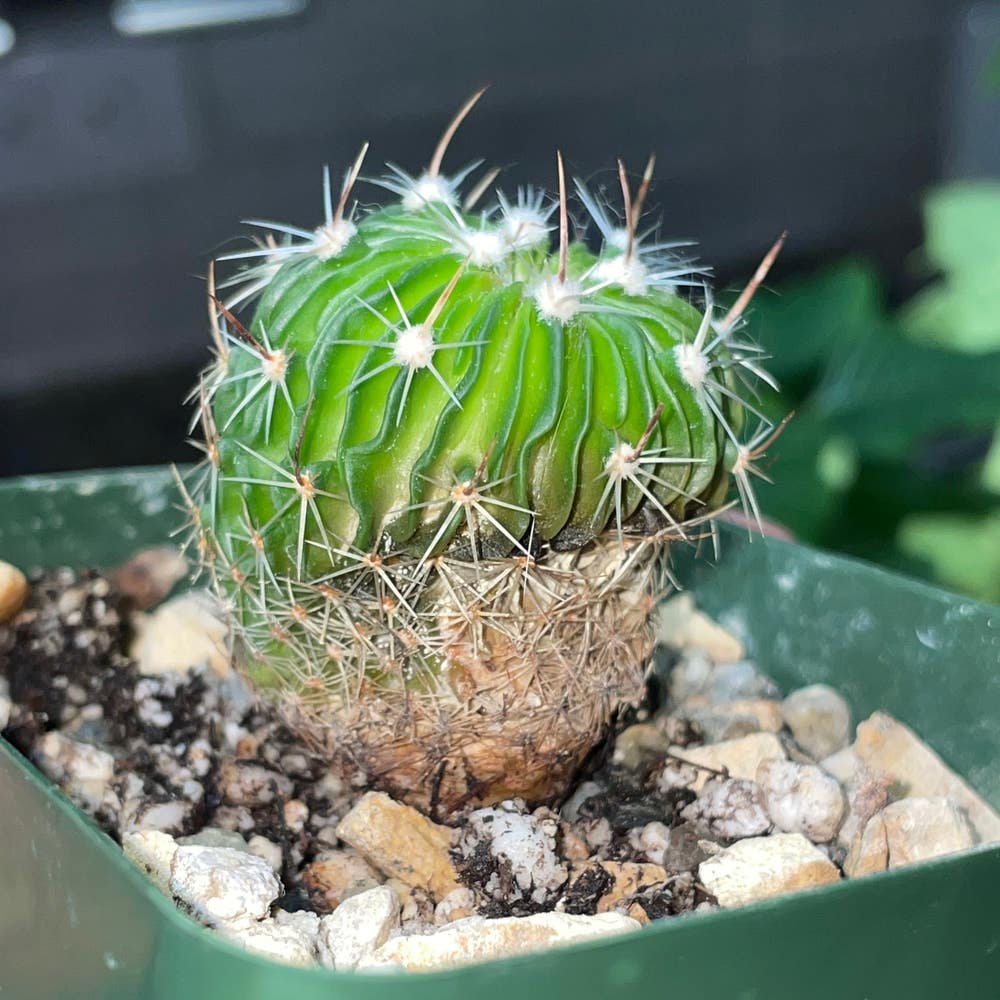
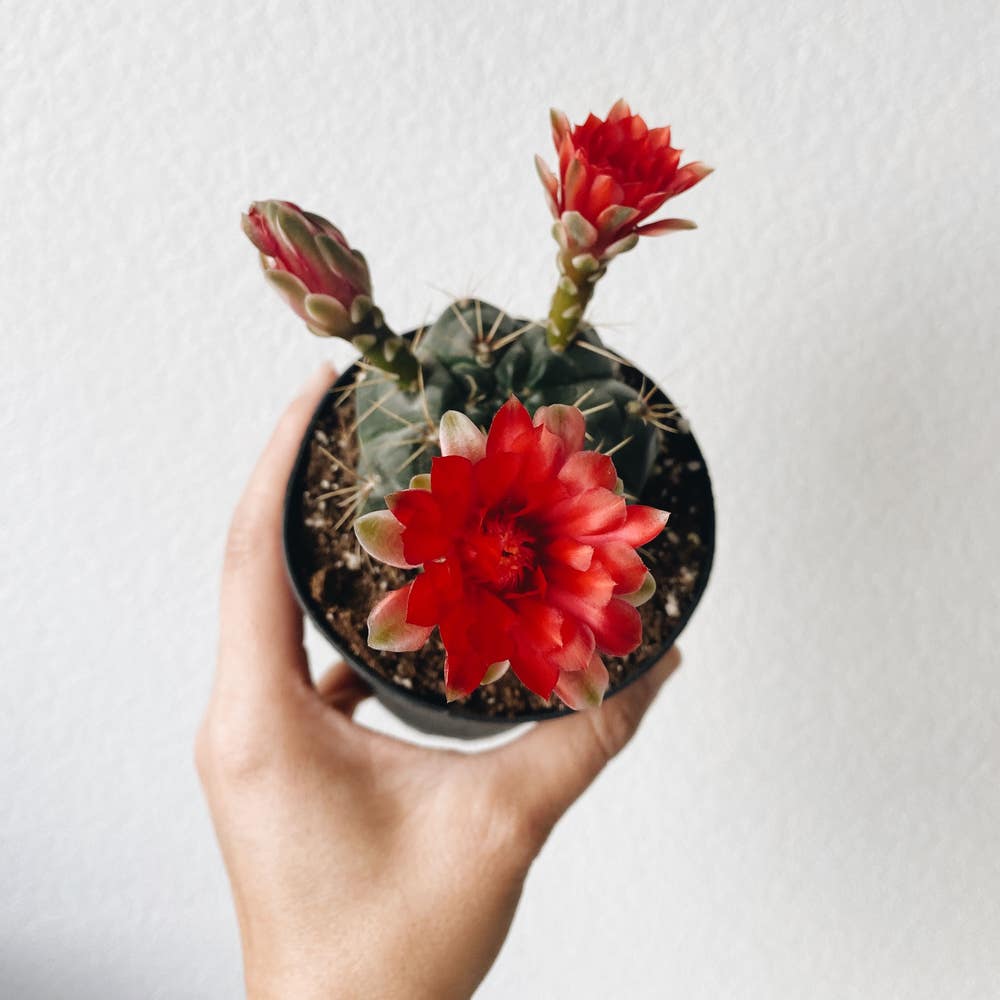
Thelocactus bicolor
By the Greg Editorial Team
Sep 30, 2024•6 min read
This article was created with the help of AI so we can cover more plants for you. May contain errors. See one? Report it here.
Cultivate breathtaking Texas Bluebonnets 🌸 by mastering their life cycle with this essential gardening guide!
- 🌱 Germination takes 10-14 days in optimal conditions for Texas Bluebonnets.
- 🌞 Ideal temperatures for growth range from 70°F to 75°F (21°C to 24°C).
- 🌼 Flowering peaks 12-16 weeks after germination, attracting pollinators like bees.
Germination Stage
🌱 Duration of Germination
Germination is a crucial first step in the life cycle of Texas Bluebonnets. Typically, you can expect germination to take about 10 to 14 days, provided the conditions are right.
The optimal temperature range for germination is between 70°F to 75°F (21°C to 24°C). Keeping the temperature within this range will significantly enhance your chances of success.
🌧️ Conditions for Successful Germination
To ensure successful germination, start with well-drained, sandy loam soil. This type of soil promotes healthy root development and prevents waterlogging.
Moisture is key; the soil should be consistently moist but not soggy. Additionally, provide indirect sunlight or partial shade during this stage to protect the delicate seeds as they sprout.
By paying attention to these conditions, you set the stage for robust growth. As your seeds begin to germinate, you'll be one step closer to witnessing the beauty of Texas Bluebonnets in full bloom.
Next, let's explore the seedling stage and what to expect as your plants begin to develop.
Seedling Stage
Length of Seedling Development 🌱
The seedling stage lasts about 4-6 weeks, culminating in the appearance of true leaves. This period is crucial for establishing a strong foundation for future growth.
Key Characteristics of Seedlings 🌿
Initially, seedlings showcase cotyledons, which are the first leaves to emerge. Soon after, they develop lanceolate true leaves, marking their transition into a more mature phase.
At the end of this stage, seedlings typically reach a height of 2-4 inches. This growth is accompanied by the establishment of a robust taproot, essential for nutrient uptake and overall health.
Understanding these characteristics can help you monitor your plants effectively. As your seedlings thrive, they set the stage for the next exciting phase of growth.
Transition to the Next Stage 🚀
With a solid foundation in place, your seedlings are ready to embark on the vegetative growth stage. This is where the real transformation begins, leading to lush foliage and increased height.
Vegetative Growth Stage
Duration of Vegetative Growth 🌱
The vegetative growth stage lasts about 6-8 weeks, but this can vary based on environmental conditions. Factors like temperature, light, and moisture play a significant role in how quickly your Glory of Texas thrives.
Changes in Plant Structure and Health 🌿
During this stage, you'll notice a rapid increase in both height and leaf production. The plant's growth pattern is vigorous, showcasing its resilience and adaptability.
Leaf Characteristics 🍃
Healthy foliage is a hallmark of this stage. Expect to see dark green leaves, which indicate that your plant is thriving and absorbing nutrients effectively.
Staking or Support 🏗️
As your Glory of Texas grows taller, it may require staking or support. This helps prevent any damage from wind or its own weight, ensuring it continues to flourish.
This stage sets the foundation for the flowering phase, where the plant will truly shine. Understanding these growth dynamics will help you nurture your Glory of Texas to its full potential.
Flowering Stage
Timing of Flowering 🌸
Flowering for the Glory of Texas typically kicks off about 12 to 16 weeks after germination. This vibrant display lasts for 4 to 6 weeks, usually peaking in late spring to early summer.
Description of Flowers and Their Significance 🌼
The flowers are striking blue and funnel-shaped, making them a standout in any garden. These blooms are not just pretty; they play a crucial role in attracting bees and butterflies, essential for pollination.
Culturally, the Glory of Texas is cherished for its ornamental value. Gardeners love incorporating these flowers into landscapes, enhancing both beauty and biodiversity.
As the flowering stage wraps up, the focus shifts to seed production, ensuring the cycle continues.
Seed Production Stage
Duration and Process of Seed Production 🌱
After the flowering stage, the seed production process kicks off. It typically takes about 4-6 weeks for seeds to mature in the pods that form post-bloom.
Importance of Seed Dispersal 🌬️
Seed dispersal is crucial for the plant's survival and propagation. Wind and animals play significant roles in spreading seeds, ensuring they find new homes to grow.
The seeds can remain viable for 1-2 years if stored properly. This longevity allows for natural cycles of growth, even in changing environments.
Understanding these processes not only highlights the resilience of the Glory of Texas but also sets the stage for appreciating its life cycle. Next, we’ll explore how long it takes for this beautiful plant to reach full maturity.
Growth Rate and Maturation
🌱 How Long Until Fully Grown?
The journey from seed to maturity for the Glory of Texas typically spans about 4-6 months. This timeframe can vary based on several environmental factors.
⚙️ Factors Affecting Growth Rate
Several key elements influence how quickly your plant grows:
- Soil Quality: Nutrient-rich soils promote faster growth, while poor soils can hinder development.
- Water Availability: Consistent moisture is crucial; drought conditions can slow growth significantly.
- Sunlight Exposure: Full sun encourages robust growth, whereas partial shade may limit it.
🌍 Comparison of Growth Rates in Different Conditions
Growth rates can differ dramatically based on environmental conditions.
- Optimal Conditions: In well-drained, sunny locations, you’ll see quicker growth and healthier plants.
- Suboptimal Conditions: Conversely, shaded or overly wet areas can lead to slower growth and weaker plants.
Understanding these factors can help you create the best environment for your Glory of Texas, ensuring it thrives and flourishes. With the right care, you’ll witness its vibrant transformation from seed to a stunning, mature plant.
Next, let’s explore the notable changes throughout its life cycle.
Notable Changes Throughout Life Cycle
🌱 Physical Changes from Seed to Maturity
The journey begins with the seed, which is small, round, and dark. As it germinates, it transitions into a seedling, showcasing cotyledons that eventually give way to true leaves.
At maturity, the plant can reach heights of 1-2 feet, adorned with multiple flowering stems. This transformation is a testament to the plant's resilience and adaptability.
🎨 Changes in Color, Size, and Structure
As the plant grows, you'll notice vibrant changes in color. The leaves shift from a bright green to striking blue flowers, creating a stunning visual display.
Size also plays a significant role; the plant expands in height and spread, establishing a robust presence in any garden. Structural changes include the development of a sturdy stem and branching, which support its flourishing blooms.
🌍 Environmental Influences on Life Stages
Temperature fluctuations can significantly impact germination and flowering times. Warmer conditions often accelerate growth, while cooler temperatures may delay it.
Moisture levels are equally crucial; consistent watering promotes healthy seedlings, while drought can hinder their development. Lastly, soil conditions influence root growth and overall plant vigor, making it essential to provide the right environment for optimal growth.
Understanding these changes not only enhances your gardening skills but also deepens your appreciation for the life cycle of the Glory of Texas. As we move forward, let’s explore how these factors affect growth rates and maturation.
⚠️ Safety First
This content is for general information and may contain errors, omissions, or outdated details. It is not medical, veterinary advice, or an endorsement of therapeutic claims.
Always consult a qualified healthcare professional before using any plant as food, medicine, or supplement.
Never eat any plant (or feed one to pets) without confirming its identity with at least two trusted sources.
If you suspect poisoning, call Poison Control (800) 222-1222, the Pet Poison Helpline (800) 213-6680, or your local emergency service immediately.
Spotted an error? Please report it here.
Unlock the full potential of your Glory of Texas with Greg's customized care reminders 🌱, guiding you from seed germination to vibrant blooms!