Diagnosing the Glory of Texas Root Rot
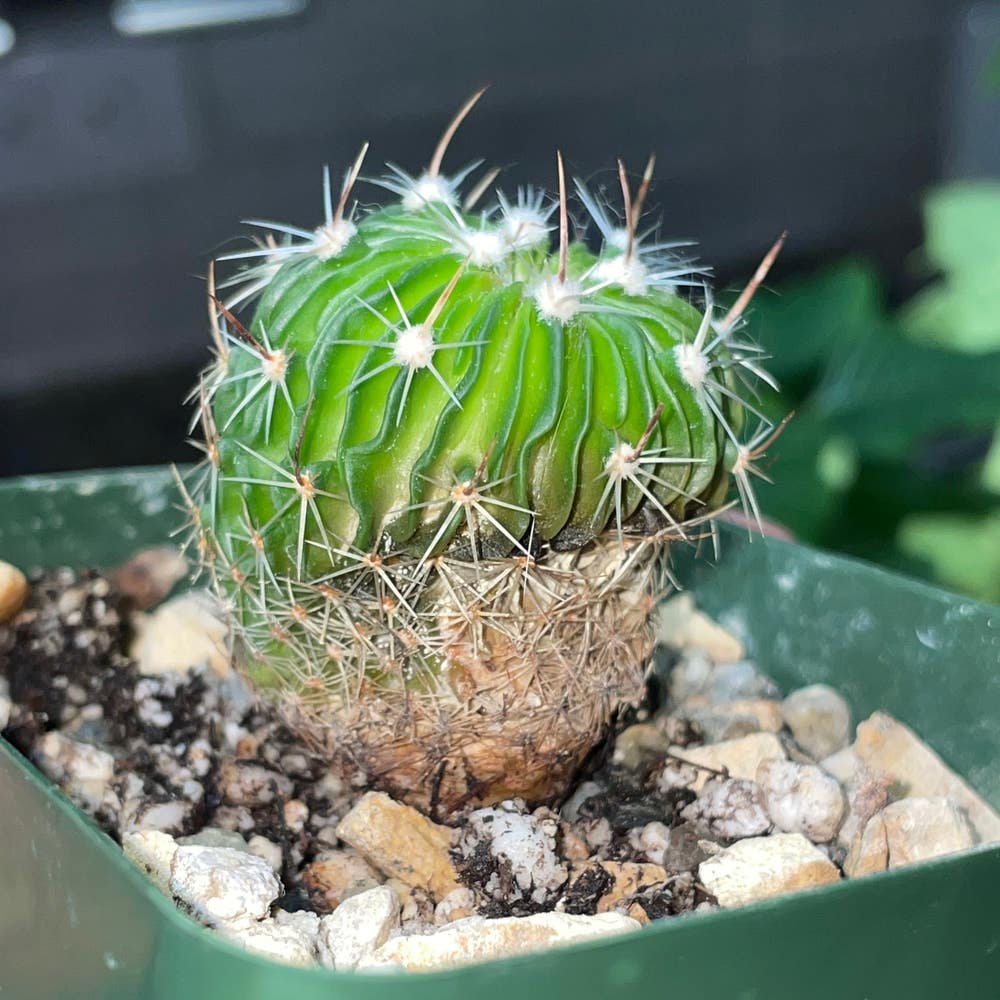
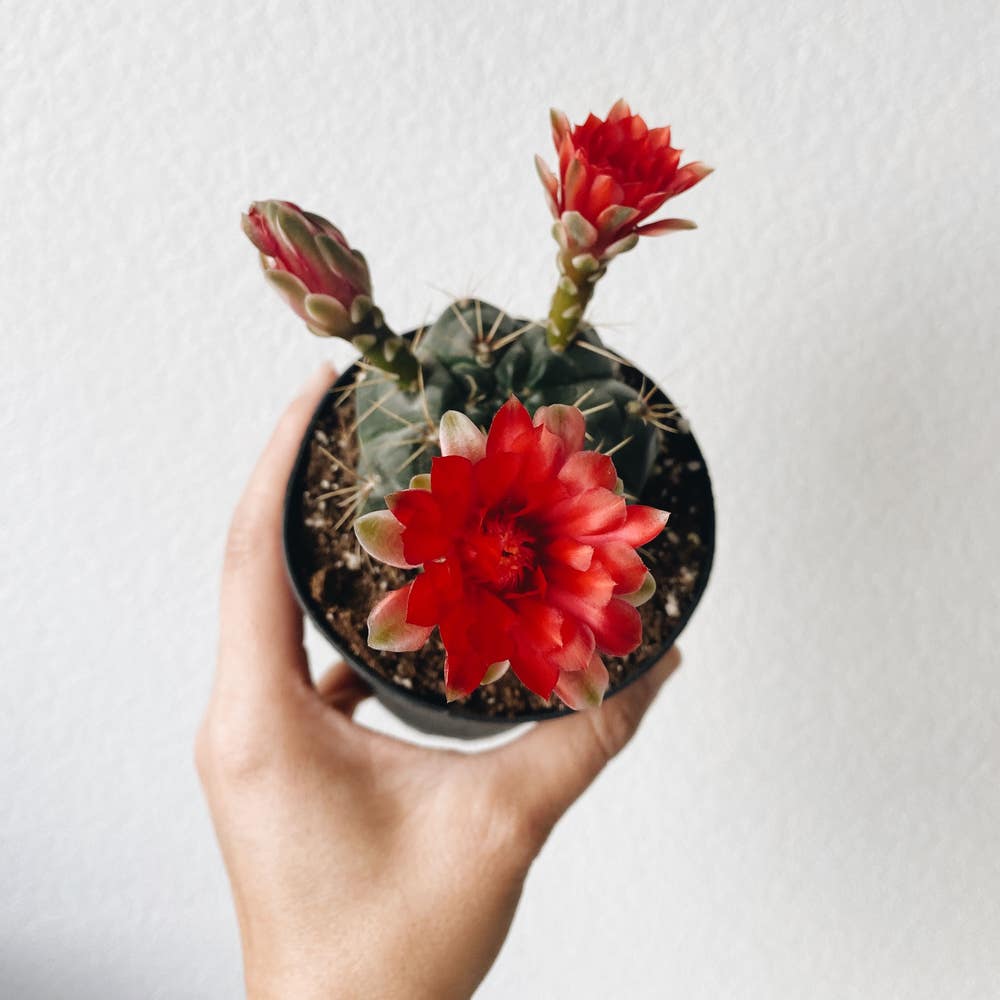
Thelocactus bicolor
By the Greg Editorial Team
Jun 18, 2024•4 min read
This article was created with the help of AI so we can cover more plants for you. May contain errors. See one? Report it here.
Shield your Glory of Texas 🌟 from root rot's ruin with key prevention and cure tips.
- Wilting, yellow leaves signal The Glory of Texas is in distress.
- Improve drainage and aeration with raised beds, perlite, or sand.
- Choose resistant cultivars and sterilize soil to prevent root rot.
Spotting the Red Flags: Symptoms of Root Rot in The Glory of Texas
🚩 Above-Ground Telltale Signs
When The Glory of Texas starts wilting or its leaves turn yellow, it's not just throwing shade; it's signaling distress. Leaves that cling to the plant like a bad outfit, even as they die, are a classic cry for help.
🕳️ Below-Ground Troubles
Digging into the soil reveals the grim truth: roots that should be robust and white but are instead dark and necrotic. If they're mushy to the touch, like they've given up on life, it's a clear sign of root rot. A foul odor emanating from the soil is the underground's way of waving a white flag.

Unearthing the Cause: Factors Contributing to Root Rot
🌧️ Soil Conditions and Environmental Stress
Poor drainage is like a welcome mat for root rot in The Glory of Texas. Soggy soil is a party zone for fungi, with Phytophthora and Pythium being the life of the bash. These microscopic party crashers thrive in wet conditions, turning robust roots into mushy messes. Wet conditions are not just about waterlogged soil; high humidity also rolls out the red carpet for these unwanted guests.
The Role of Phymatotrichopsis omnivora
Phymatotrichopsis omnivora is a persistent little bugger, wreaking havoc on the roots of our beloved plant. This pathogen doesn't just visit; it moves in, colonizing the soil and making itself at home. It's a tough opponent, resistant to many common control methods. Understanding its impact is crucial for keeping The Glory of Texas, well, glorious.

Turning the Tide: Alleviating Root Rot in Affected Plants
🚰 Improving Soil Drainage
Soil drainage is your plant's lifeline. To kickstart recovery, mix in perlite or sand to the existing soil. This isn't just a tweak; it's a game-changer for waterlogged roots. For potted plants, consider a soil overhaul—out with the old, in with the new well-draining mix.
Raised beds are a no-brainer for serious drainage improvement. Elevate your plant's game—literally. By raising the soil level, you're creating a fortress against excess moisture. Compost is your secret weapon here, improving both drainage and aeration. It's like upgrading your plant to first-class.
💧 Smart Watering Practices
Watering is an art and a science. Balance is key. Adopt the "soak and dry" method—water deeply, then let the soil dry out before the next round. This mimics natural rainfall, giving roots the rhythm they crave.
Drainage holes are non-negotiable. They're the escape route for excess water. Pair them with a well-draining soil mix, and you've got the dynamic duo of root health. Monitor your watering habits like a hawk. Too much enthusiasm with the watering can lead to a soggy disaster. Remember, a dry plant is easier to fix than a drowned one.

Fortifying the Future: Preventing Root Rot in The Glory of Texas
🛡️ Choosing Resistant Varieties
In the botanical arms race against root rot, selecting resistant cultivars is akin to choosing the right armor. Some plants, like mesquite and pomegranate, shrug off the advances of Phymatotrichopsis omnivora more effectively than others. Look for the term "resistant" on plant tags, and remember, monocots such as agaves and palms are the unsung heroes, boasting natural immunity to Texas root rot.
🧼 Clean Start: Soil Sterilization Techniques
Before you plant your flag in the garden, consider giving your soil a clean slate. Soil solarization is the eco-friendly equivalent of hitting the reset button, using the sun's rays to heat the soil beneath a clear plastic tarp and annihilate lurking pathogens. If you're more of a traditionalist, fumigation might be your go-to method to purge the soil of fungal foes. Remember, sterilizing your soil isn't overkill—it's a strategic move in the perpetual battle against root rot.
⚠️ Safety First
This content is for general information and may contain errors, omissions, or outdated details. It is not medical, veterinary advice, or an endorsement of therapeutic claims.
Always consult a qualified healthcare professional before using any plant as food, medicine, or supplement.
Never eat any plant (or feed one to pets) without confirming its identity with at least two trusted sources.
If you suspect poisoning, call Poison Control (800) 222-1222, the Pet Poison Helpline (800) 213-6680, or your local emergency service immediately.
Spotted an error? Please report it here.
Ensure your Glory of Texas avoids root rot and stays resilient 🌵 with Greg's tailored watering reminders and soil moisture tracking.