🌸 Top 3 Signs Your Glory of Texas Has Flower Problems
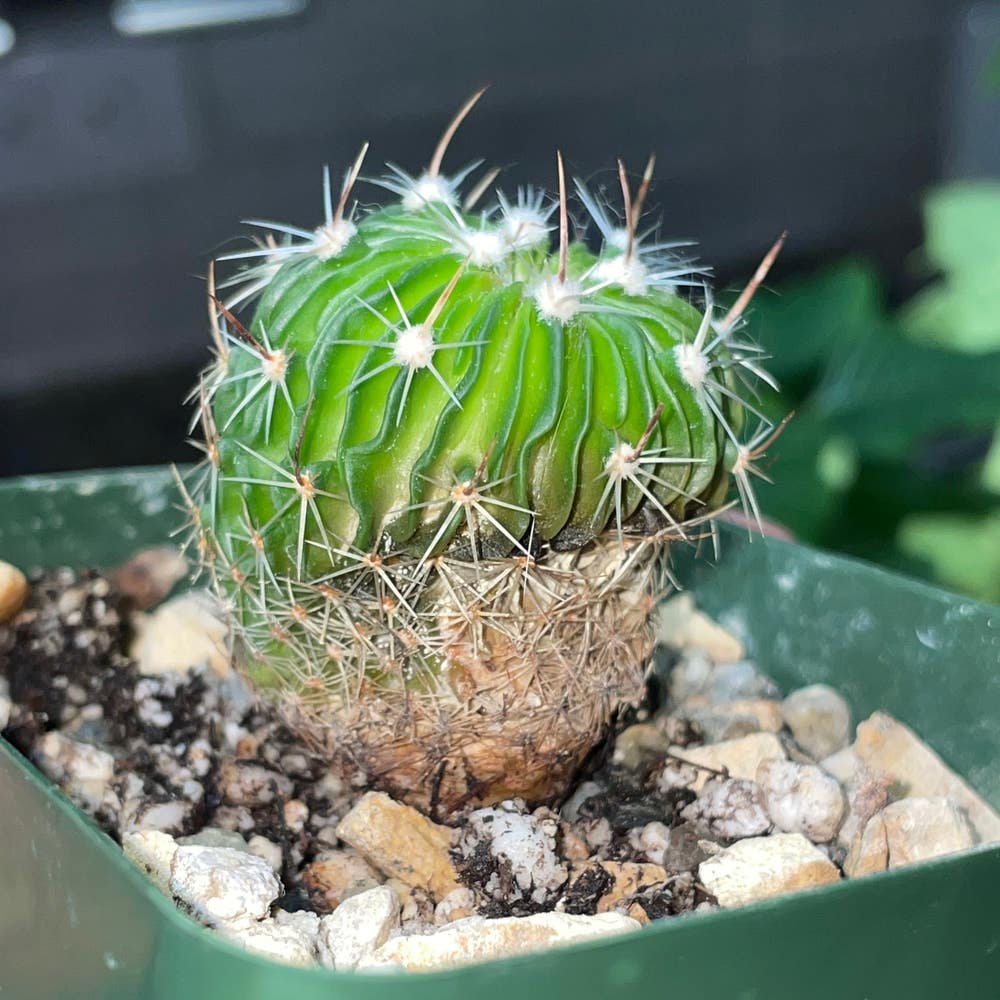
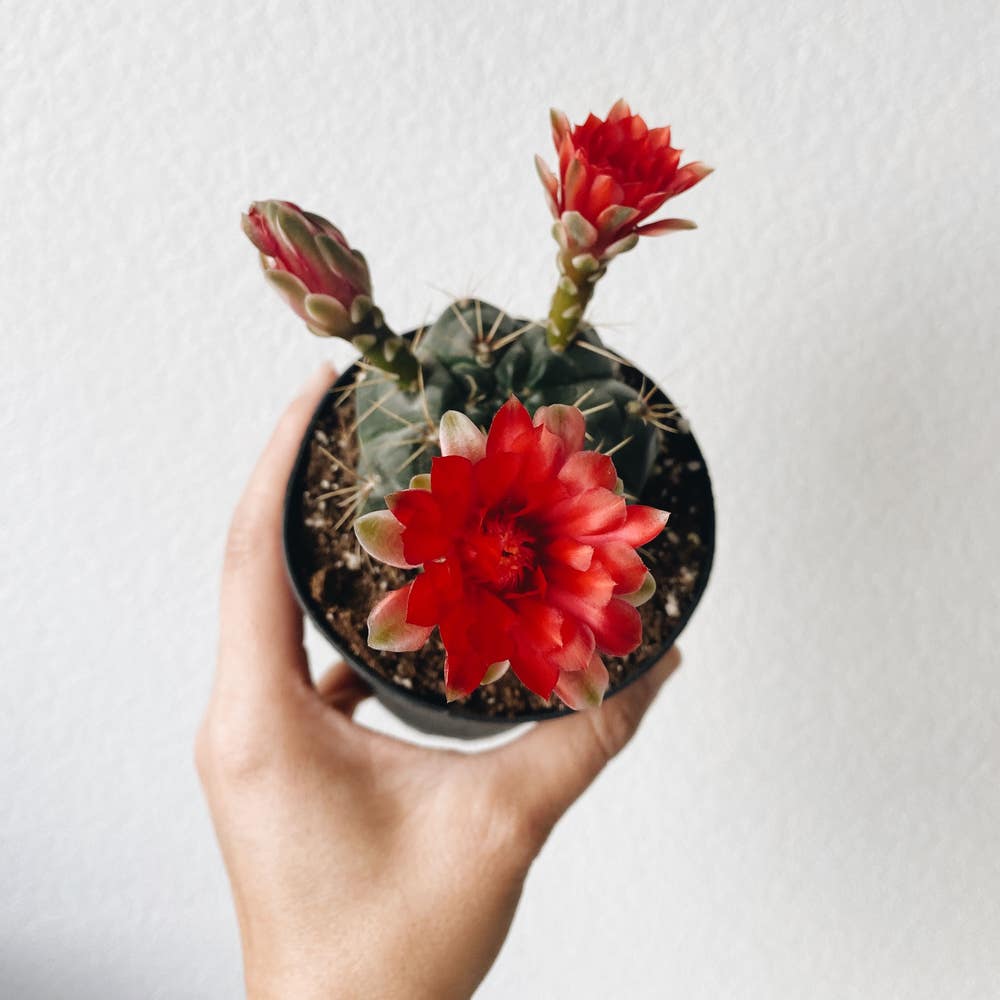
Thelocactus bicolor
By the Greg Editorial Team
Sep 30, 2024•5 min read
This article was created with the help of AI so we can cover more plants for you. May contain errors. See one? Report it here.
Transform your garden into a blooming paradise 🌼 by mastering light, soil, and care for your Glory of Texas!
- 🌞 The Glory of Texas needs 6-8 hours of sunlight for optimal blooming.
- 🌱 Soil quality and nutrients are crucial; aim for pH 6.0-7.5 and balanced fertilization.
- 💧 Watering correctly prevents flower drop; avoid both overwatering and drought stress.
Failure to Bloom
🌞 Causes
Insufficient Light
The Glory of Texas thrives in full sun, needing 6 to 8 hours of direct sunlight daily. When deprived of this light, you may notice reduced flowering and leggy growth, which can be frustrating for any gardener.
Poor Soil Quality
Well-draining soil is crucial to prevent root rot. Aim for a soil pH between 6.0 and 7.5 to create the ideal environment for your plants.
Nutritional Deficiencies
Key nutrients like nitrogen, phosphorus, and potassium are essential for healthy blooms. Watch for signs of deficiencies, such as yellowing leaves and stunted growth, which can indicate your plants are not getting what they need.
💡 Solutions
Adjusting Light Exposure
If your plants aren't getting enough light, consider relocating them to sunnier spots. Pruning surrounding vegetation can also help increase light access, giving your Glory of Texas the boost it needs.
Soil Amendments
Improving soil structure and drainage can be achieved by adding organic matter. Regularly test your soil pH and make adjustments as necessary to keep your plants healthy.
Fertilization
Using a balanced NPK fertilizer during the growing season is a straightforward way to nourish your plants. Apply it in early spring, just before blooming begins, to set the stage for vibrant flowers.
With these adjustments, your Glory of Texas can flourish, paving the way for a stunning display of blooms. Next, let’s explore the issue of premature flower drop and how to tackle it effectively.
Premature Flower Drop
🌡️ Causes
Environmental Stress
Extreme temperature fluctuations can wreak havoc on your flowers. When temperatures swing wildly, it can lead to premature flower drop, especially if your plants are not acclimated.
Insufficient water also plays a critical role in flower retention. When plants are thirsty, they often shed blooms to conserve resources.
💧 Overwatering
Overwatering is another sneaky culprit. Signs include wilting, yellowing leaves, and even root rot, which can spell disaster for your plants.
Proper drainage is essential to prevent waterlogging. If your soil retains too much moisture, your flowers will suffer.
🐜 Pest Infestations
Pests like aphids and spider mites can cause significant damage. Look for sticky residue, webbing, and discolored leaves as telltale signs of an infestation.
These pests can stress your plants, leading to flower drop if not addressed promptly.
🛠️ Solutions
💦 Proper Watering Techniques
Implementing a proper watering schedule is crucial. Deep watering during dry spells helps ensure your plants get the moisture they need.
Allowing the soil to dry between watering sessions is equally important. This practice prevents overwatering and promotes healthy root development.
🐞 Pest Management Strategies
Regular inspections are key for early detection of pests. Catching infestations early can save your flowers from significant damage.
Consider using organic control methods like neem oil or insecticidal soap. Introducing beneficial insects can also help keep pest populations in check.
By addressing these issues, you can help your flowers thrive and reduce the risk of premature drop. Next, let’s explore the signs of abnormal flower development and how to tackle them effectively.
Abnormal Flower Development
🌱 Causes
Improper Pruning
Pruning is crucial for healthy flower development, but timing is everything. Ideally, you should prune after flowering to avoid removing potential buds, but many gardeners mistakenly over-prune or cut at the wrong time, leading to disappointing blooms.
Nutrient Imbalance
A nutrient imbalance can severely impact flower quality. Signs include poor flower size and color, indicating that balanced fertilization is essential for vibrant blooms.
Disease
Fungal infections are common culprits behind abnormal flower growth. Symptoms like wilting flowers, discoloration, and stunted growth signal that your plants may be suffering from disease.
🛠️ Solutions
Correct Pruning Methods
To encourage healthy blooms, practice light pruning that shapes the plant without sacrificing flower buds. Always use clean, sharp pruning shears to prevent disease transmission and ensure a clean cut.
Balanced Fertilization
Adjust nutrient ratios based on soil tests to meet your plants' specific needs. Fertilizing in early spring and mid-summer can help maintain optimal growth and flowering.
Disease Management
Regular monitoring is key to catching diseases early. Treatment options include fungicides and improving air circulation around your plants to reduce humidity, which fosters fungal growth.
By addressing these factors, you can significantly enhance your plant's flowering potential. Next, let’s explore how environmental factors like light and nutrients play a vital role in flower development.
Impact of Environmental Factors
Light Requirements 🌞
Light is crucial for photosynthesis and flower production. Without adequate sunlight, plants may struggle to bloom, resulting in leggy growth and fewer flowers.
Nutritional Needs 🍽️
Key nutrients like nitrogen, phosphorus, potassium, and essential micronutrients play a vital role in flowering. Watch for signs of deficiencies, such as yellowing leaves and poor flower development, which indicate your plants need a nutrient boost.
Pruning Techniques ✂️
Proper pruning encourages healthy blooms. Light shaping after flowering is ideal, as it helps maintain the plant's natural growth cycle while avoiding the removal of potential buds.
Understanding these environmental factors can significantly enhance your plant's flowering potential. By ensuring proper light, nutrition, and pruning techniques, you set the stage for vibrant blooms and a thriving garden.
⚠️ Safety First
This content is for general information and may contain errors, omissions, or outdated details. It is not medical, veterinary advice, or an endorsement of therapeutic claims.
Always consult a qualified healthcare professional before using any plant as food, medicine, or supplement.
Never eat any plant (or feed one to pets) without confirming its identity with at least two trusted sources.
If you suspect poisoning, call Poison Control (800) 222-1222, the Pet Poison Helpline (800) 213-6680, or your local emergency service immediately.
Spotted an error? Please report it here.
Keep your Glory of Texas blooming brilliantly 🌼 by using Greg's tailored care reminders to ensure optimal sunlight, soil health, and nutrition for vibrant flowers!