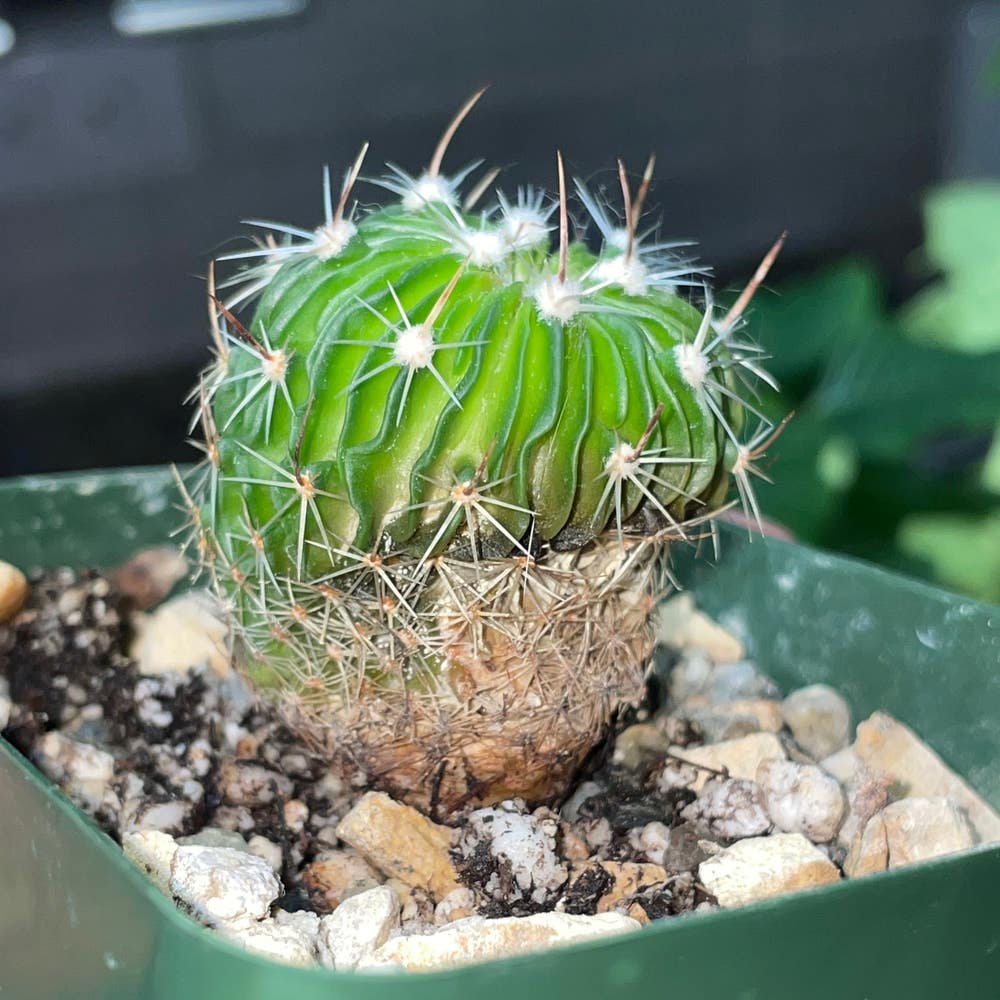
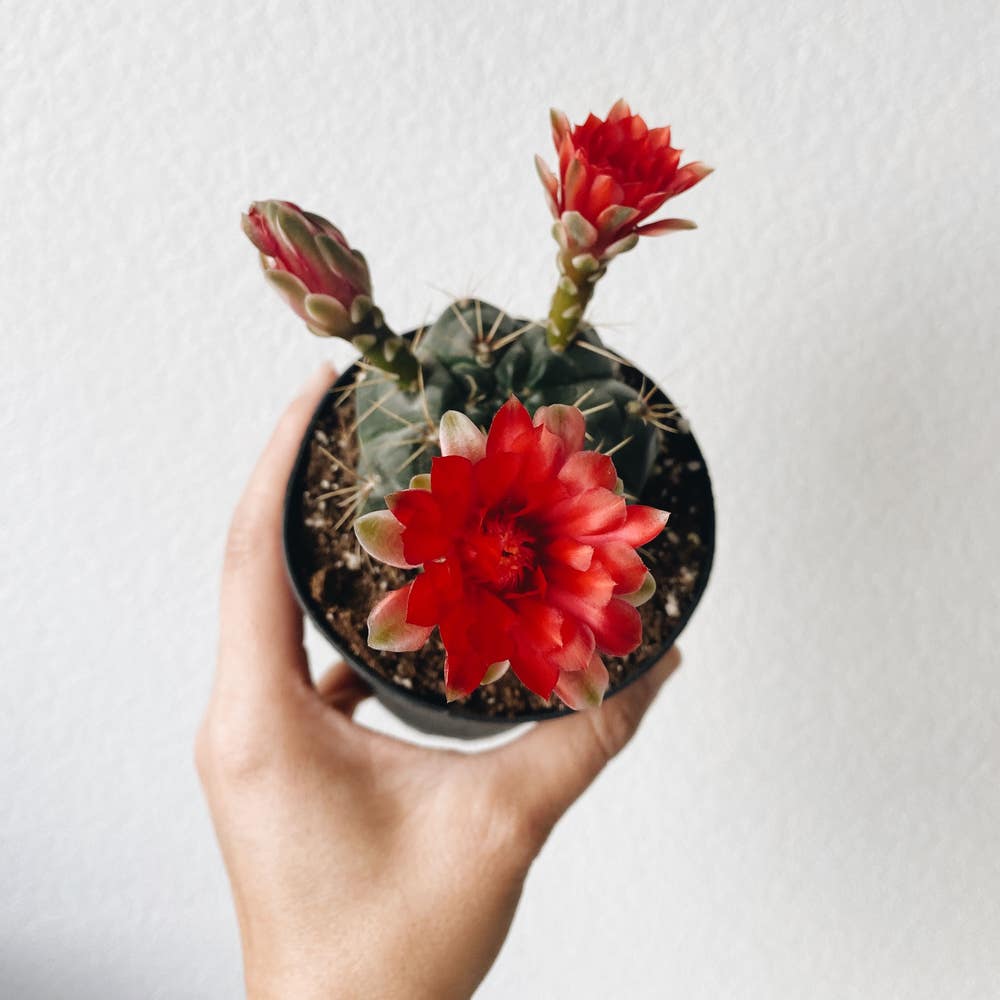
What Does It Mean When The Glory of Texas Blooms?
Thelocactus bicolor
By the Greg Editorial Team
Jun 18, 2024•6 min read
This article was created with the help of AI so we can cover more plants for you. May contain errors. See one? Report it here.
Unveil the secrets to year-round, show-stopping Texas blooms that signal gardening triumph 🌟🌼.
- 🌞 Full sun needed, but avoid direct light that can cause burnout.
- 🌡️ Ideal temperature 65-75°F, with dry conditions for optimal blooming.
- ✂️ Prune strategically in dormancy and deadhead for continuous blooms.
Prime Conditions for Spectacular Blooms
🌞 Right Light for the Right Bloom
Full sun is the non-negotiable demand of The Glory of Texas for a floral spectacle. This plant isn't shy about soaking up rays, but it's a fine line to tread. Too much direct light can lead to a botanical burnout.
Positioning is key. Strategic placement where the plant can bask in the glory of the sun without withering is essential. Think of a spot that's sun-drenched but not a desert, perhaps with a sheer curtain as a shield during peak intensity.
🌡️ Temperature and Humidity: The Balancing Act
The Glory of Texas thrives in a temperature range of 65 to 75°F. Nighttime can dip slightly, but avoid drastic swings. Consistency is the secret sauce for those blooms.
Humidity is a bit of a Goldilocks scenario—too much and you're in a fungal fiasco, too little and the plant desiccates. Aim for dry conditions, steering clear of the misting bottle. It's about finding that sweet spot where the air isn't too arid but also not a tropical storm.

The Blooming Calendar: When to Expect Fireworks
🌸 Seasonal Showstoppers: Timing the Blooms
Timing is everything when it comes to the spectacular blooms of The Glory of Texas. Typically, the plant puts on its show seasonally, with the local climate dictating the exact timing. To catch the onset of blooming, stay alert for early signs like a surge in leaf vibrancy or the appearance of buds. These natural cues signal that the floral fireworks are about to begin.
🎉 Off-Season Surprises: Encouraging Year-Round Blooms
Believe it or not, you can nudge The Glory of Texas into blooming even when it's not its usual time. Stress can be a bloom booster—think controlled changes in light and temperature. However, remember that plants don't keep calendars; they respond to their environment. So, if you want off-season color, mimic the conditions of the typical blooming period. Keep the consistency of care to avoid stressing the plant too much, though. After all, you're aiming for a surprise bloom, not a plant meltdown.

Nurturing Techniques for Prolific Blooming
🌱 Pruning Practices: Shaping for Success
Pruning isn't just about snipping away—it's strategic. Timing is crucial; prune when the plant is dormant to avoid stressing it during its growth phase. Aim for late winter or early spring, just before the growth season kicks in. Use clean, sharp tools to make precise cuts, promoting new growth where you want it.
Strategic Cuts
Don't hack away like a mad barber. Prune to maintain shape and encourage branching, which can lead to more flowers. Over-pruning is a rookie mistake—like giving a buzzcut when you only needed a trim.
Deadheading for Future Blooms
Deadheading is your secret weapon for continuous blooming. Removing spent flowers redirects energy to new growth. Be gentle, though—treat your plant like a work of art, not a weed.
💐 Feeding Frenzy: Fertilizers that Fuel Flowers
Fertilizer is your plant's diet plan for a blooming figure. A balanced fertilizer is the way to go; think of it as a nutrient trio—nitrogen, phosphorus, and potassium. Apply post-pruning to give your plant a pep talk for blooming.
The Nutrient Trio
Nitrogen for leaves, phosphorus for roots and blooms, and potassium for overall health. It's like a plant's multivitamin.
Timing is Everything
Don't just throw fertilizer at your plant and hope for the best. Schedule your feedings—consistency is key. Keep a diary if you must; it's the plant equivalent of a fitness tracker.
💧 Water Wisdom: Hydration for Healthy Blooms
Watering is less about routine and more about reading the room—or soil. The goal is moist, not soggy. Think of it as making a good cocktail; the right mix is everything.
When to Water
Check the soil before watering—stick your finger in it. If it's dry a couple of inches down, it's time for a drink. If it's damp, hold off. Overwatering is like flooding the stage during a performance—nobody wants that.
Recognizing Drought Stress
Plants get thirsty, too. Look for signs like wilting or yellowing leaves. It's your plant's way of saying, "Hey, I could use a little hydration over here."
The Balancing Act
Bottom watering can be your plant's best friend during blooming. It encourages deep root growth and prevents the drama of overwatering. It's like teaching your plant to swim without the floaties.

Overcoming Bloom Blockers: Troubleshooting Tips
🥀 Bud Drop Dilemmas: Keeping the Buds Blooming
Bud drop is the heartbreak of the plant world—sudden and often without clear warning. It's a sign of stress, maybe from a drafty window or a watering schedule that's more erratic than your cat's mood swings.
🚨 Preventative Measures
Consistency is your plant's best friend. Keep the environment stable to avoid shocking those tender buds into dropping. Ensure the soil moisture is just right—think Goldilocks, not too wet, not too dry.
🛠 Quick Fixes
If buds are already falling, check for drafts or temperature swings. Adjust your watering habits to avoid soggy soil. And remember, sometimes it's about patience; don't toss the towel in just yet.
From Fizzle to Sizzle: Boosting Bloom Quality
When your blooms are more fizzle than sizzle, it's time for a little troubleshooting. Lackluster flowers can be a cry for help, signaling that something in your care routine needs tweaking.
💡 Lighting Adjustments
Light is a bloom's best ally. Too little, and your plant's in eternal slumber; too much, and you're on a one-way trip to scorch city. Aim for that bright, indirect sweet spot.
🍽️ Nutrient Nudges
Fertilizer is like a secret handshake for blooms. Use a phosphorus-rich mix to whisper sweet nothings to your flowers. But don't go overboard—too much, and you're just beefing up the leaves.
🚰 Water Wisdom
Water quality can be a silent bloom killer. If your tap water is a mineral soup, switch to filtered or rainwater. Let the top inch of soil dry out before giving your plant a drink to avoid root rot.
✂️ Pruning for Power
Pruning isn't just about playing barber; it's strategic. Snip away the old to redirect energy to the new. But don't get too snip-happy—over-pruning can stress your plant into a blooming boycott.
👩🌾 Patience Pays Off
Sometimes, despite all your efforts, the plant just isn't ready to party. Give it time to mature, and you'll be rewarded with blooms that were worth the wait.
⚠️ Safety First
This content is for general information and may contain errors, omissions, or outdated details. It is not medical, veterinary advice, or an endorsement of therapeutic claims.
Always consult a qualified healthcare professional before using any plant as food, medicine, or supplement.
Never eat any plant (or feed one to pets) without confirming its identity with at least two trusted sources.
If you suspect poisoning, call Poison Control (800) 222-1222, the Pet Poison Helpline (800) 213-6680, or your local emergency service immediately.
Spotted an error? Please report it here.
Ensure your Glory of Texas shines with consistent blooms 🌺 by letting Greg fine-tune your plant's care routine for stress-free success.