⭐ 8 Winter Care Mistakes to Avoid with Star Fruit
Averrhoa carambola
By the Greg Editorial Team
Sep 30, 2024•5 min read
This article was created with the help of AI so we can cover more plants for you. May contain errors. See one? Report it here.
Ensure your star fruit thrives this winter with essential care tips for a vibrant spring! 🌱
- ❄️ Protect star fruit trees from frost; cover them when temperatures drop below 32°F (0°C).
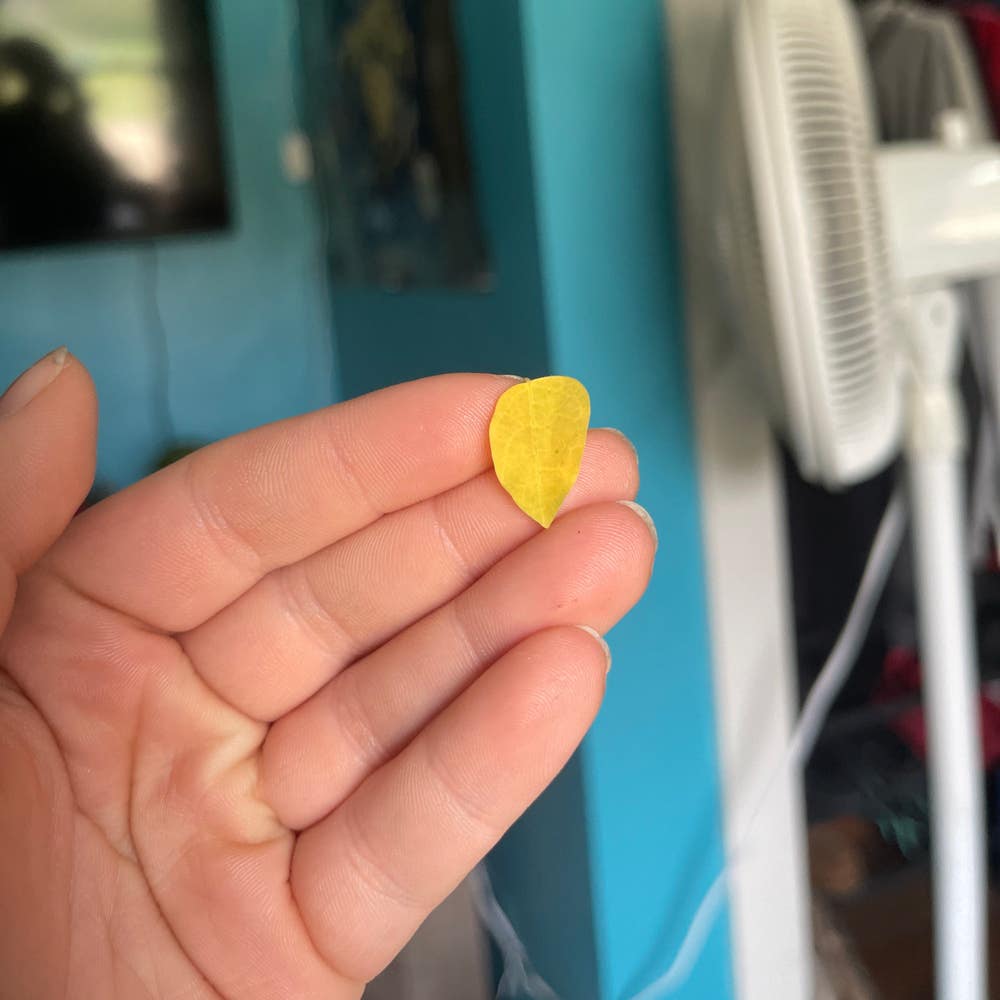
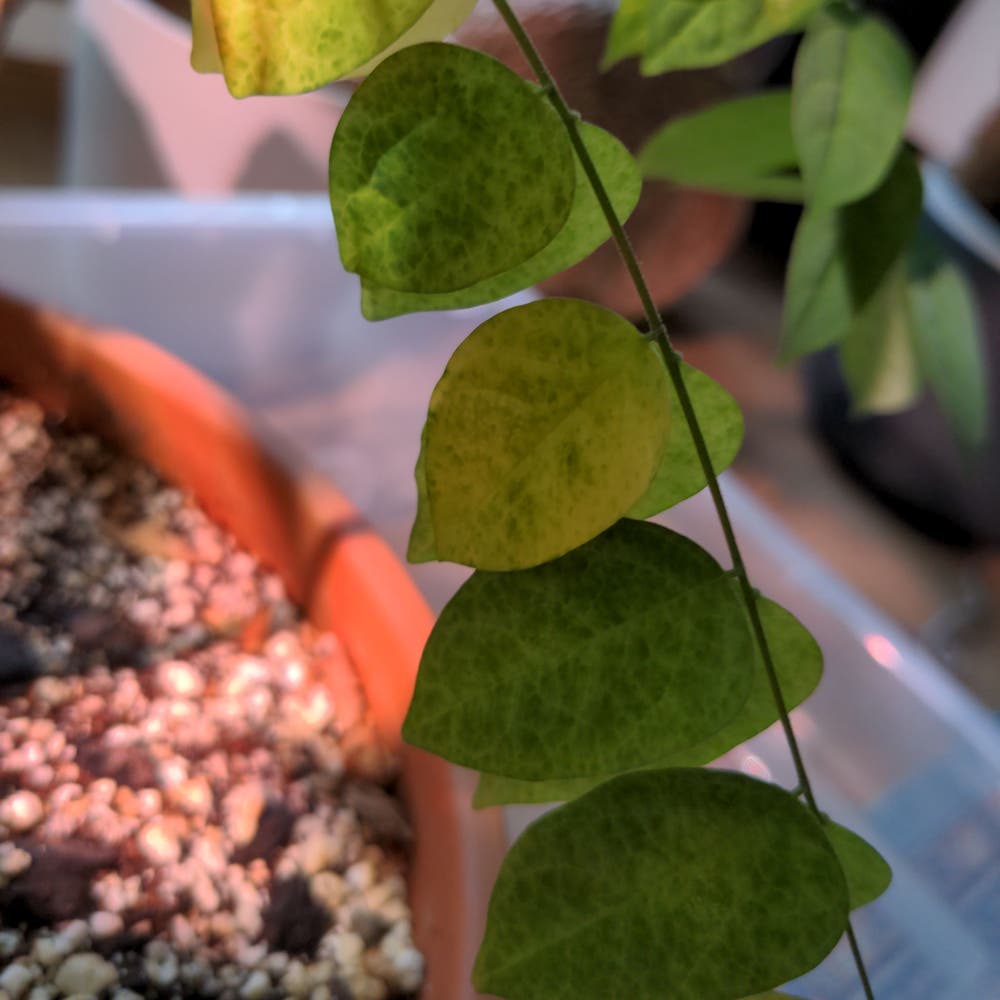
- 💧 Reduce watering in winter to prevent yellow leaves and root rot.
- 🌱 Use low-nitrogen fertilizers in early winter to support healthy growth without excess.
Winter Care Practices
❄️ Frost Protection
Star fruit trees are particularly sensitive to frost, which can cause significant damage to both leaves and fruit. When temperatures dip below 32°F (0°C), the risk of frost becomes a serious concern.
To protect your star fruit, consider covering the plants with frost cloths or blankets on cold nights. Additionally, placing them near walls or structures can provide extra warmth, creating a microclimate that helps mitigate frost damage.
💧 Adjusting Watering Schedules
During winter, your watering frequency should be reduced compared to the growing season. Overwatering can lead to yellowing leaves and root rot, so it's crucial to monitor moisture levels.
Aim for soil that is slightly dry between waterings. This balance helps maintain healthy roots and prevents waterlogged conditions.
🌱 Modifying Fertilizing Practices
When it comes to fertilization, opt for low-nitrogen, slow-release fertilizers. Applying these in early winter, before dormancy sets in, ensures your star fruit gets the nutrients it needs without encouraging unwanted growth.
Maintaining a proper nutrient balance is essential during dormancy. Excess nutrients can stress the plant, making it more vulnerable to winter conditions.
🏠 Indoor Care for Colder Climates
If you're in a colder climate, bringing your star fruit indoors can be a great option. Ensure they receive bright, indirect sunlight and maintain temperatures above 60°F (15°C) for optimal growth.
Choose pots with drainage holes to prevent water accumulation. Keep a close eye on soil moisture to avoid overwatering, which can be a common pitfall during indoor care.
By following these winter care practices, you can help your star fruit thrive even in challenging conditions. Next, let’s explore how to prepare for spring growth after the winter months.
Spring Preparation
Signs of Recovery from Winter Damage 🌱
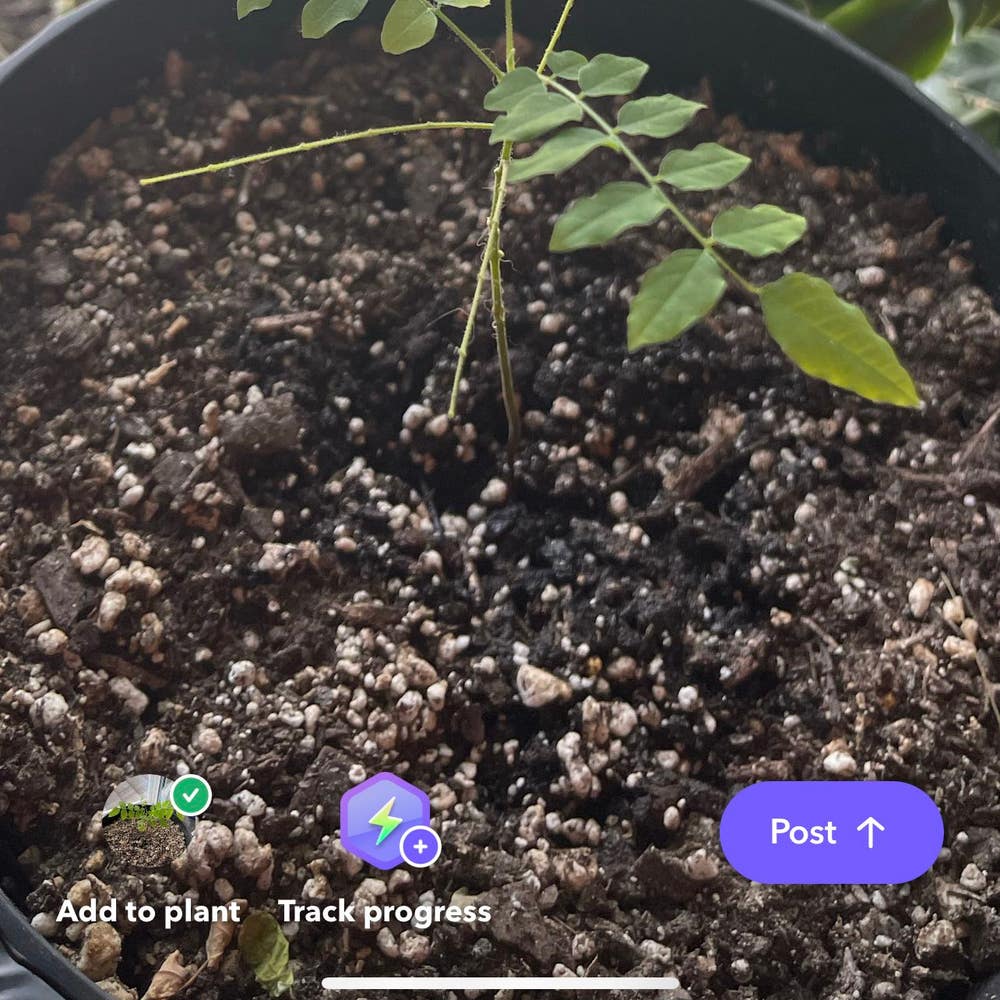
As winter fades, look for new leaf growth. This is a clear sign that your star fruit tree is regaining its vigor.
Assess any damage by identifying dead or damaged branches. This proactive approach will help you understand what needs attention.
Preparing for Spring Growth 🌼
To kickstart spring growth, consider amending the soil. Adding compost or organic matter enriches the soil and provides essential nutrients.
As temperatures rise, gradually increase your watering frequency. This helps your star fruit tree adjust to the warmer conditions.
Pruning Techniques Post-Winter ✂️
Timing is crucial when it comes to pruning. Aim to do this in early spring, just before new growth begins.
Focus on removing dead or damaged branches. This promotes healthy growth and allows your tree to thrive.
Use clean, sharp shears for effective cuts. Proper tools make a significant difference in the health of your plants.
With these spring preparation steps, your star fruit tree will be well on its way to a fruitful season. Next, let’s explore common winter care mistakes to avoid for optimal growth.
Common Winter Care Mistakes
🌊 Overwatering During Dormancy
Overwatering is a common pitfall during the winter months. This can lead to root rot and fungal diseases, which can devastate your star fruit plants.
Watch for signs like wilting, even when the soil feels moist. This indicates that the roots are struggling, and it’s time to reassess your watering routine.
❄️ Neglecting Frost Protection Measures
Frost can be a silent killer for star fruit trees. Neglecting to protect them can result in significant leaf and fruit loss.
Stay proactive by regularly checking weather forecasts. A little preparation can save your plants from frost damage.
⏰ Incorrect Fertilization Timing
Timing is everything when it comes to fertilization. Fertilizing too late in the season can encourage new growth just before frost hits, which is a recipe for disaster.
Stick to a schedule that involves fertilizing only before dormancy. This ensures your plants are well-fed without risking their health.
🌡️ Ignoring Temperature Fluctuations
Temperature fluctuations can be sneaky and harmful. Sudden drops can stress your star fruit trees, leading to potential damage.
Monitor temperatures closely using thermometers and frost alerts. Being aware of changes allows you to take necessary precautions in time.
These common mistakes can be easily avoided with a little awareness and care. By staying vigilant, you can ensure your star fruit thrives through the winter months. Next, let’s explore how to assess and improve cold hardiness for your plants.
Cold Hardiness and Adaptation
Assessing and Improving Cold Hardiness 🌨️
Star fruit thrives best in USDA hardiness zones 10-11. Understanding your zone is crucial for successful cultivation, as it dictates how well your plants can withstand cold temperatures.
Different varieties of star fruit exhibit varying levels of cold tolerance. For instance, 'Fwang Tung' is generally more resilient compared to 'Arkin.' Knowing these differences can help you choose the right variety for your climate.
To enhance cold hardiness, consider gradual acclimatization. This involves slowly introducing your plants to cooler temperatures, which helps them adapt without shock.
Proper care practices also play a vital role. Ensure your star fruit receives adequate nutrients and water, especially before winter sets in. This foundational care can significantly bolster their resilience against cold spells.
Strategies for Adaptation 🧊
Monitoring local weather conditions is essential. Sudden temperature drops can catch even seasoned gardeners off guard, so stay informed.
Utilizing frost alerts and thermometers can help you take proactive measures. By being vigilant, you can protect your plants from unexpected cold snaps.
In summary, understanding cold hardiness and implementing adaptive strategies can make a significant difference in your star fruit's winter survival. With the right knowledge and care, you can enjoy a thriving star fruit tree come spring.
Next, let’s dive into the signs of recovery from winter damage, ensuring your plants bounce back stronger than ever.
⚠️ Safety First
This content is for general information and may contain errors, omissions, or outdated details. It is not medical, veterinary advice, or an endorsement of therapeutic claims.
Always consult a qualified healthcare professional before using any plant as food, medicine, or supplement.
Never eat any plant (or feed one to pets) without confirming its identity with at least two trusted sources.
If you suspect poisoning, call Poison Control (800) 222-1222, the Pet Poison Helpline (800) 213-6680, or your local emergency service immediately.
Spotted an error? Please report it here.
Keep your star fruit thriving through winter ❄️ by using Greg's tailored care reminders and frost alerts to protect them from the cold and ensure they get just the right nutrients!