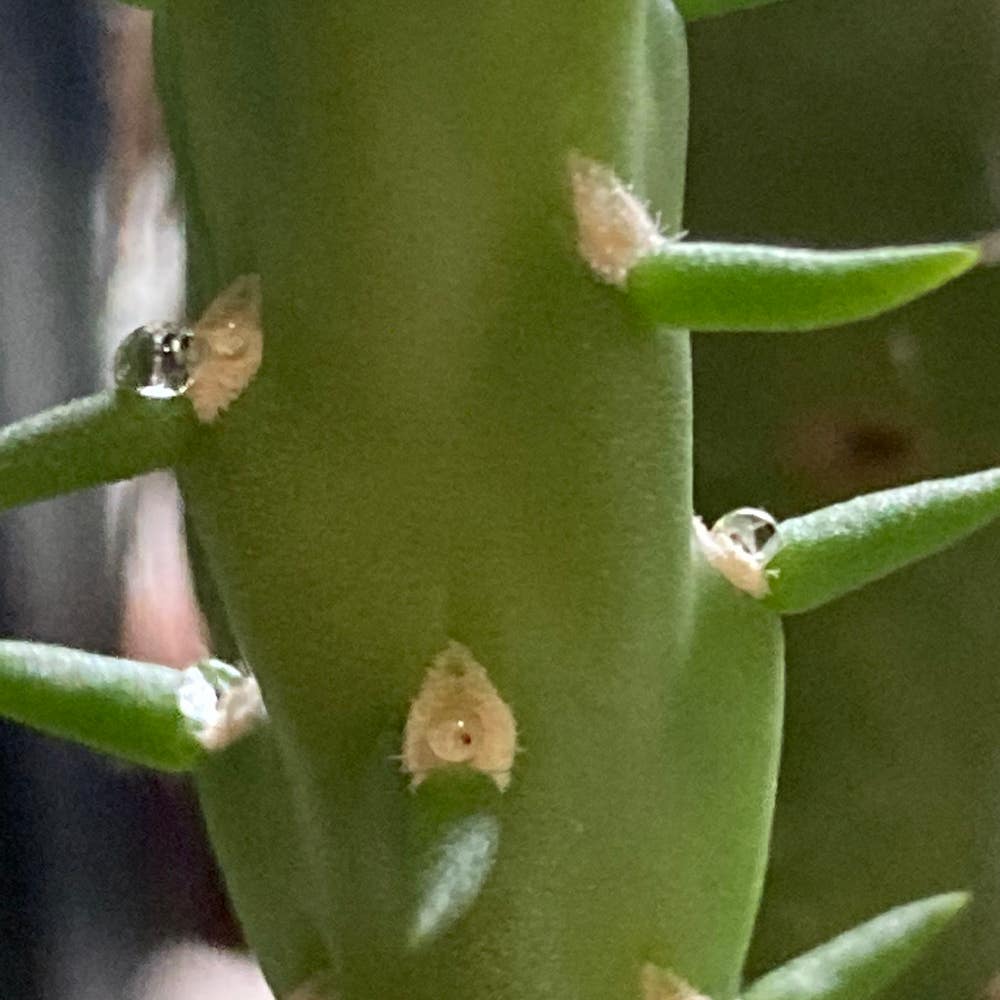
🌞 What Temperature Does My Sonoran Jumping Cholla Need?
Cylindropuntia fulgida
By the Greg Editorial Team
Mar 13, 2024•4 min read
This article was created with the help of AI so we can cover more plants for you. May contain errors. See one? Report it here.
- Daytime temps 70°F-90°F for a happy Sonoran Jumping Cholla.
- 🌵 Monitor home temps and mimic desert day/night cycles.
- Signs of distress: wilting or shriveled Cholla needs temperature adjustment.
When It's Just Right: The Sonoran Jumping Cholla's Comfort Zone
♨️ The Goldilocks Temperature Range
The ideal daytime temperatures for a Sonoran Jumping Cholla hover between 70°F and 90°F (21°C to 32°C). As night falls, a cooler range is preferred to mirror the desert's chill, promoting healthy growth and flowering.
🌵 From the Desert to Your Home
To replicate the desert climate indoors, monitor your home's temperature closely. During the day, ensure your Cholla basks in warmth, but don't let it swelter. At night, let the temperature drop to give it a taste of its native habitat's coolness.
Avoid placing your Cholla near drafty windows or in the path of heating and cooling vents. These can create temperature fluctuations that your desert dweller won't appreciate.
Signs Your Cholla is Chilly or Overheated
🌵 Too Hot to Handle
- Wilting leaves and sunburn spots are glaring signs your Sonoran Jumping Cholla is getting too much heat.
- If your cactus has a leathery texture or appears yellow, it's practically screaming for a break from the intense sun.
🥶 Shivering Spines
- A Cholla with shriveled stems is not just being a drama queen; it's genuinely too cold and needs a warmer environment.
- Stunted growth and a lack of new spines can indicate your cactus is shivering more than thriving.
What's Cooking Your Cactus: Causes of Temperature Stress
🌞 The Usual Suspects
Direct sunlight can be a double-edged sword for the Sonoran Jumping Cholla. While these cacti crave brightness, too much direct light, especially through a window, can amplify heat and cause burns. Conversely, shade is essential but can't be overdone, or the cactus won't get the warmth it needs.
Indoor heating and cooling systems are convenient for us but can wreak havoc on your Cholla. Avoid extremes by keeping the cactus away from radiators in winter and air conditioners in summer to prevent sudden temperature fluctuations.
🕵️♂️ Less Obvious Culprits
The type of pot you choose and its placement play a significant role in temperature control. Materials like metal or dark-colored pots can absorb and retain heat, potentially overheating the soil and roots. On the flip side, placing your Cholla on a cold windowsill during winter can lead to a chilly root system.
Location is key. Be mindful of where you place your Cholla outdoors, as reflective heat from walls can inadvertently increase temperatures. Indoors, keep it away from drafty areas and direct airflow from heating or cooling devices to maintain a stable environment.
Keeping Your Cholla Comfy: Temperature Management Strategies
🌡️ Daily Temperature Control
Thermometers are your undercover agents in the plant world, quietly ensuring your Sonoran Jumping Cholla's habitat is on point. Keep one handy to monitor the daytime and nighttime temperatures, ensuring they stay within the cactus's comfort zone.
Smart thermostats can be game-changers, automating your home's climate to prevent those wild swings that leave your Cholla feeling like it's on a roller coaster. They're like your plant's personal meteorologist, predicting and adjusting to temperature changes before they become a problem.
🌞 Weathering the Extremes
When the sun cranks up the heat, shade cloth steps in like a cool pair of sunglasses for your Cholla, filtering out the harsh rays. It's essential to prevent your cactus from getting a sunburn, which is just as uncomfortable for them as it is for us.
Mulching is like a secret weapon, a protective blanket that keeps the soil temperature consistent and the moisture where it should be. It's a simple yet effective way to shield your plant from the intensity of a heat wave.
During those cold snaps, think of frost blankets as your Cholla's favorite winter coat, providing a cozy barrier against the chill. And if Jack Frost is more aggressive, consider moving your plant to a spot that's safe from icy drafts or investing in a heat lamp to give it that extra bit of warmth.
Remember, sudden temperature changes are the enemy. Gradual adjustments are key, so when seasons shift, do so with a gentle hand. It's about being a climate maestro, conducting the symphony of temperature with finesse.
⚠️ Safety First
This content is for general information and may contain errors, omissions, or outdated details. It is not medical, veterinary advice, or an endorsement of therapeutic claims.
Always consult a qualified healthcare professional before using any plant as food, medicine, or supplement.
Never eat any plant (or feed one to pets) without confirming its identity with at least two trusted sources.
If you suspect poisoning, call Poison Control (800) 222-1222, the Pet Poison Helpline (800) 213-6680, or your local emergency service immediately.
Spotted an error? Please report it here.
Keep your Sonoran Jumping Cholla in its desert paradise 🌵 with Greg's precise temperature tracking and custom care reminders, ensuring it never wilts or shivers.