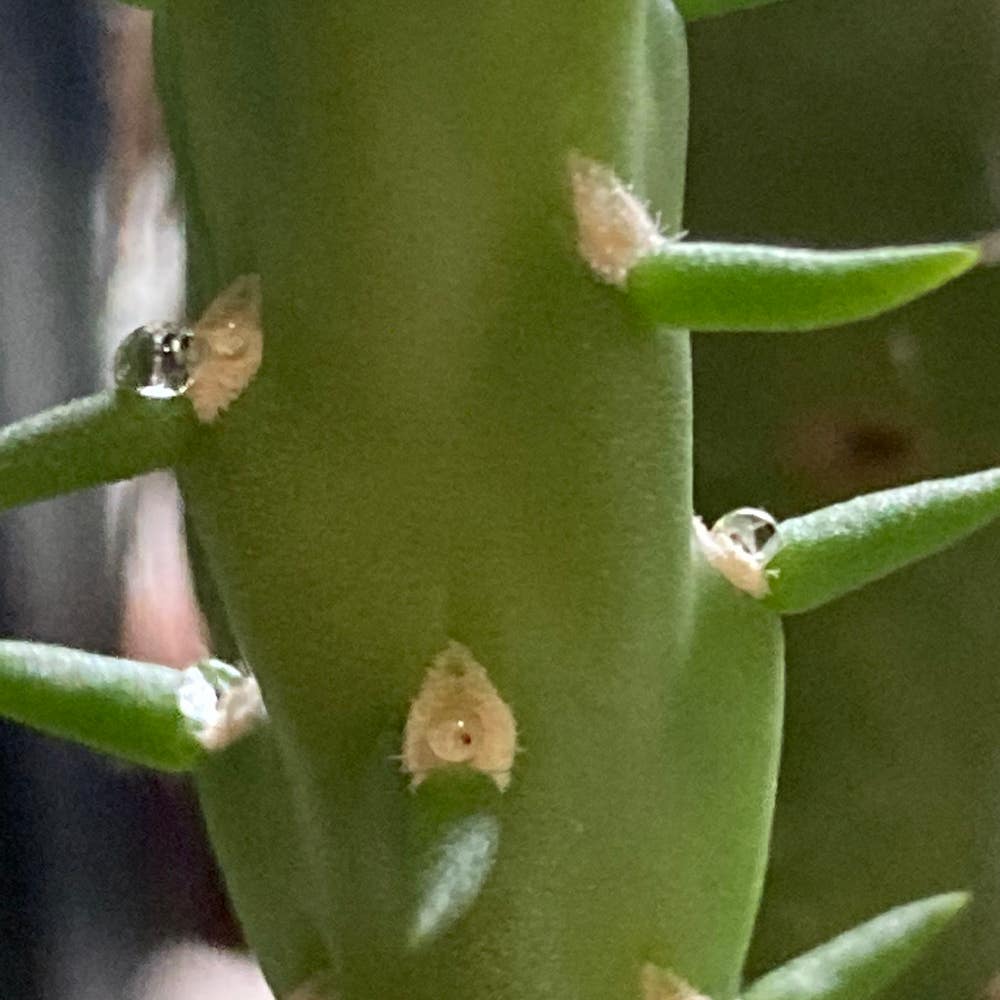
🌵 Sonoran Jumping Cholla's Light Requirements
Cylindropuntia fulgida
By the Greg Editorial Team
Mar 13, 2024•4 min read
This article was created with the help of AI so we can cover more plants for you. May contain errors. See one? Report it here.
- 🌞 Morning sun, afternoon shade for thriving Sonoran Jumping Cholla.
- Rotate regularly to prevent lopsided growth and ensure even light exposure.
- Grow lights mimic sunlight for indoor Cholla, aiding in bloom cycles.
Basking in the Desert Sun: Outdoor Light Mastery
🌵 Finding the Sweet Spot
The Sonoran Jumping Cholla is a sun worshipper, but even it has its limits. Morning sunlight kick-starts its day, while afternoon shade keeps it from frying. As the seasons shift, so should your Cholla's spot in the garden to maximize light exposure without the burn.
🛡️ Shielding from the Scorch
When the sun hits its peak, your Cholla needs a break. Use a shade cloth or strategically place it where buildings cast afternoon shadows. If your Cholla starts looking bleached or its skin resembles a raisin, it's screaming for less sun. Remember, a sunburnt cactus is a sad cactus.
Bringing the Desert Indoors: Indoor Light Perfection
🌞 Mimicking the Sun's Embrace
South-facing windows are the VIP tickets for your Sonoran Jumping Cholla. They offer the most consistent and direct sunlight, which is crucial for the plant's well-being. If you're not blessed with south-facing windows, east or west-facing ones can be the understudies, providing a decent dose of morning or afternoon light.
Light intensity matters. Your Cholla craves bright light but won't say no to a bit of shade during the hottest part of the day. Watch for signs of distress, like discoloration or slow growth—it's the plant's way of saying it needs more light or a break from the intensity.
🔄 The Turnaround Tango
Rotate your Cholla regularly, giving it a quarter turn with each watering. This ensures even growth and prevents your plant from becoming a lopsided spectacle. It's like giving each side of the plant a fair chance to bask in the limelight.
Remember, consistency is key. A steady rotation schedule will keep your Cholla from stretching towards the light like a plant in a yoga class. Keep an eye on your green buddy and don't be afraid to play musical chairs with your plant pots to find that Goldilocks zone of lighting.
The Flowering Connection: Light's Role in Blooming
🌵 When Light Leads to Flowers
In the dance of desert survival, the Sonoran Jumping Cholla (Cylindropuntia fulgida) relies on sunlight to cue its spectacular flowering display. These cacti are not just spiky show-offs; their blooms are the grand finale of a carefully timed light symphony.
Spring is the season when the magic happens. As the days grow longer, the Cholla's internal clock whispers, "It's showtime," prompting the buds to burst forth. This is not a random act of nature but a calculated response to increasing light intensity and duration.
To witness this floral spectacle, sunlight is non-negotiable. Too little, and the Cholla plays it safe, conserving energy. Too much, and it's like a stagehand dropping the curtains mid-performance—blooms are a no-show.
Indoors, the game changes slightly. Your Cholla still craves that sunny spotlight, so park it by a window where the rays are aplenty. If your indoor lighting is more of a flickering candle than a spotlight, consider a grow light to mimic the sun's embrace.
Remember, it's not just about brightness; it's the rhythm of light and dark that gets the Cholla's flowers popping. So, if you're after a bouquet of desert blooms, mark your calendar for spring and make sure your Cholla's got a front-row seat to the sun's daily show.
Grow Lights: The Indoor Sun Substitute
💡 Choosing Your Artificial Sun
Selecting the right grow light for your Sonoran Jumping Cholla is like picking out the best sunscreen – you want protection without the burn. LED grow lights are the go-to for their full spectrum, mimicking the sun without turning your beloved plant into a crispy critter. They're energy-efficient, too, which means you can keep them on without sweating the electric bill.
💡 Timing is Everything
To keep your Cholla's internal clock on schedule, set up a grow light schedule that mirrors the sun's natural rhythm. Think of it as setting an alarm clock for your plant – it needs to know when to wake up and when to wind down. Use timers to automate this process, providing longer light periods during the growing season to encourage blooming. Remember, even plants appreciate a good night's sleep.
⚠️ Safety First
This content is for general information and may contain errors, omissions, or outdated details. It is not medical, veterinary advice, or an endorsement of therapeutic claims.
Always consult a qualified healthcare professional before using any plant as food, medicine, or supplement.
Never eat any plant (or feed one to pets) without confirming its identity with at least two trusted sources.
If you suspect poisoning, call Poison Control (800) 222-1222, the Pet Poison Helpline (800) 213-6680, or your local emergency service immediately.
Spotted an error? Please report it here.
Achieve a spectacular bloom 🌵 for your Sonoran Jumping Cholla with Greg's PlantVision to measure light and custom reminders to rotate your plant, ensuring the perfect sun-kissed growth.