🌵 When and Where Should I Trim My Sonoran Jumping Cholla?
Cylindropuntia fulgida
By the Greg Editorial Team
Mar 13, 2024•4 min read
This article was created with the help of AI so we can cover more plants for you. May contain errors. See one? Report it here.
- Spring pruning aligns with growth cycles and flowering.
- Strategic cuts for health: remove 25% max, focus on troubled areas.
- Clean, sharp tools; 45-degree cuts for a healthy, balanced cholla.
Best Time to Wield the Shears
🌵 Understanding the Cholla's Calendar
Pruning your Sonoran Jumping Cholla isn't a random act of gardening aggression; timing is key. This cactus has growth spurts and naps just like the rest of us. Spring is when it shakes off its slumber and gets growing, making it the prime time for pruning.
🌸 Timing with the Blooms
Align your snipping with the Cholla's flowering cycle. These cacti typically bloom in late spring, so pruning just before this period encourages a spectacular floral show. It's like giving your cactus a backstage pep talk before the big debut.
Where to Make the Cut
🚨 Spotting Trouble Areas
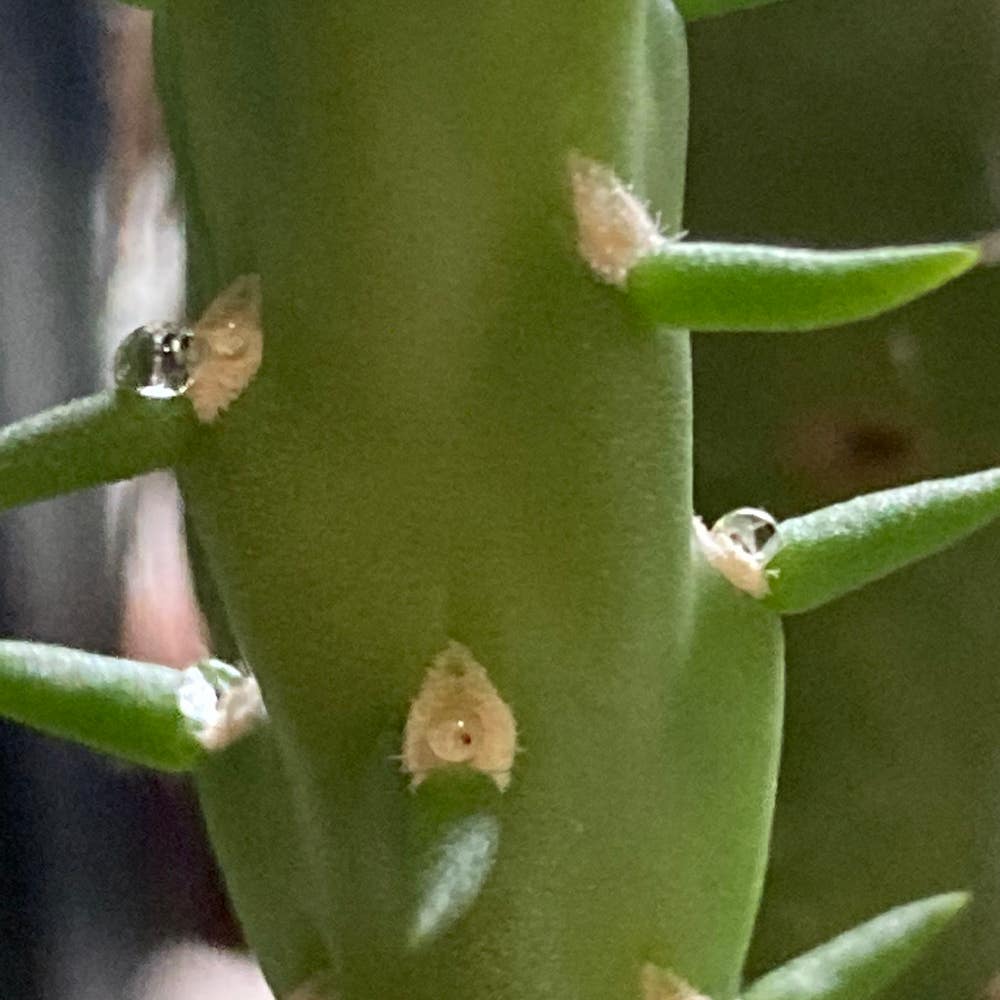
Dead or damaged segments on your Sonoran Jumping Cholla are like party crashers; they don't belong and can ruin the vibe. Look for areas that are discolored, shriveled, or have changed in texture. These are signs that it's time for them to go. Overcrowding can be just as problematic, creating a haven for pests and diseases. Scan your cholla for branches that cross or densely packed areas, as these can impede airflow and light penetration.
🎯 Targeted Trimming
When it comes to trimming, think of yourself as a sculptor, chiseling away the excess to reveal the plant's true form. Focus on strategic cuts to improve the cholla's health and appearance. Remove any old pruning stubs to prevent decay and ensure cuts are made close to the main stem or soil line—no need for surgical precision, but do aim for cleanliness. Remember, sharp tools are a must; they're the difference between a clean break-up and a messy one. Aftercare is crucial, so give your cholla the space to breathe and bask in the sun post-trim.
Pruning Like a Pro
🛠️ Choosing Your Tools
Gear up with the right equipment before you tackle the Sonoran Jumping Cholla. Don protective gloves to keep those spines at bay. Your pruning tools should be sharp and sterilized to ensure clean cuts—think of it as surgery for your plant. Whether it's pruning shears or a sharp knife, choose a tool that feels like an extension of your hand for that precise snip.
📏 The Technique
Sanitize those shears first; cleanliness is next to plant-godliness. When you're ready to cut, aim just above a node, where new growth will emerge. Angle your cuts at 45 degrees to promote healing. Remember, it's a trim, not a buzz cut—prune no more than 25% of the plant to avoid stress. And if you spot any freeloaders like dead or yellowing leaves, show them the exit.
🧹 Aftercare
Post-prune, it's cleanup time. Sweep away the cuttings to prevent any potential disease spread. Resist the urge to water immediately; give your plant a moment to heal. Clean your tools again—think of it as dental hygiene for your garden gear. Finally, ensure your cholla enjoys the right amount of sun and a stable environment to thrive post-trim.
Shaping for Show
🌵 Balancing Health and Beauty
In the dance of trimming the Sonoran Jumping Cholla, it's a tango between form and function. Your cuts should not only aim for a look that turns heads but also keep the plant robust and thriving. Health is beauty, after all.
🎨 Sculpting Strategies
Recognize the Plant's Potential
Every Cholla has its own character; your job is to bring it out. Look for the natural lines and growth patterns, and use them as your guide. You're not just cutting away excess; you're revealing the plant's true stature.
Strategic Cuts for Aesthetic Growth
Less is more when it comes to pruning for shape. Make thoughtful cuts to reduce overcrowding and highlight the plant's structure. It's about creating a visual feast that's still all Cholla.
Rotate and Reflect
Give your Cholla a spin. Rotating the plant as you trim allows you to see it from all angles, ensuring a balanced silhouette from every viewpoint.
The Final Touch
Once you've finished, step back and take it in. The Cholla should look like it's stretching out, comfortable in its own skin—poised and ready for the desert catwalk.
⚠️ Safety First
This content is for general information and may contain errors, omissions, or outdated details. It is not medical, veterinary advice, or an endorsement of therapeutic claims.
Always consult a qualified healthcare professional before using any plant as food, medicine, or supplement.
Never eat any plant (or feed one to pets) without confirming its identity with at least two trusted sources.
If you suspect poisoning, call Poison Control (800) 222-1222, the Pet Poison Helpline (800) 213-6680, or your local emergency service immediately.
Spotted an error? Please report it here.
Trim your Sonoran Jumping Cholla at just the right time in spring for a spectacular bloom 🌼, with Greg's tailored pruning reminders ensuring you never miss a cut.