5 Facts About Chain-Link Cholla Lifecycle 🌵
Cylindropuntia fulgida
By the Greg Editorial Team
Sep 28, 2024•6 min read
This article was created with the help of AI so we can cover more plants for you. May contain errors. See one? Report it here.
- 🌱 Chain-link cholla seeds thrive in 70°F to 85°F temperatures for optimal germination.
- 🌵 Well-draining sandy soil is crucial for successful chain-link cholla growth and survival.
- 🐝 Bees pollinate bright yellow flowers, enhancing genetic diversity and seed production.
Germination Stage
🌱 Conditions for Germination
The germination of chain-link cholla requires specific conditions to thrive. The optimal temperature ranges from 70°F to 85°F (21°C to 29°C), providing a warm environment for the seeds.
Soil plays a crucial role as well. Well-draining sandy or rocky soil is essential to prevent waterlogging, which can hinder seed development.
Moisture levels are equally important. Seeds need lightly moist conditions to sprout, but excess water can be detrimental.
⏳ Duration of Germination
Germination typically takes between 2 to 4 weeks. This timeframe can vary based on several factors.
Soil temperature, moisture levels, and seed viability all influence how quickly seeds germinate. Ensuring the right conditions can significantly speed up this process, setting the stage for healthy growth.
With a solid understanding of the germination stage, we can now explore the fascinating seedling stage, where the first signs of life emerge.
Seedling Stage
🌱 Characteristics of Seedlings
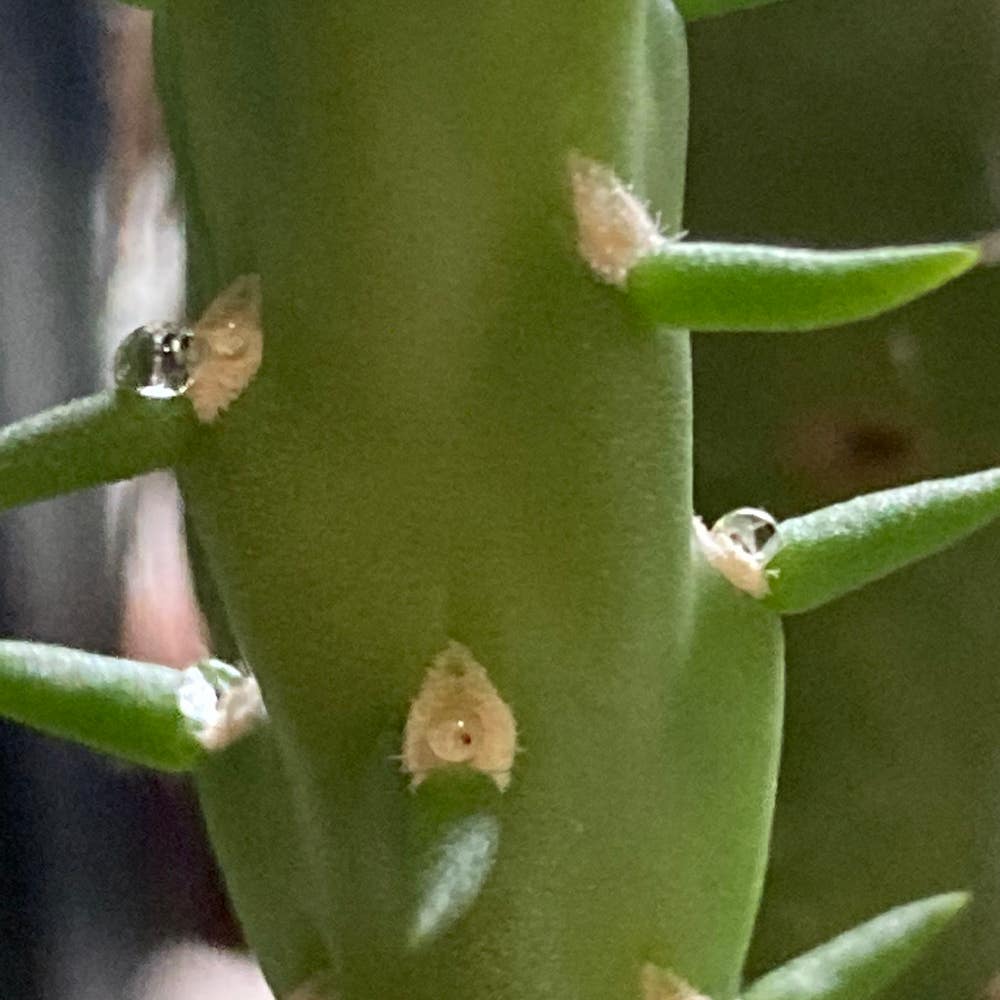
During the seedling stage, chain-link cholla begins its journey with small, spiny pads that emerge from the soil. These pads typically reach a height of 1 to 2 inches by the end of this stage, showcasing their vibrant green color.
The pads are coated with a waxy layer, which plays a crucial role in moisture retention. This adaptation helps the young plant survive in its often arid environment.
⏳ Duration of Seedling Growth
The seedling growth phase lasts between 6 months to 1 year. This timeframe can vary based on environmental conditions.
Light exposure and water availability are significant factors that influence how quickly these seedlings develop. Ensuring optimal conditions can lead to a healthier, more robust plant as it transitions to the next stage of its lifecycle.
As the chain-link cholla matures, it sets the stage for the vegetative growth phase, where it will continue to thrive and adapt to its surroundings.
Vegetative Growth Stage
Growth Patterns and Changes 🌱
During the vegetative growth stage, chain-link cholla cacti develop segmented stems that significantly increase in both height and width. These plants can reach impressive heights of 3 to 4 feet, showcasing their robust nature.
The thickened pads of the cholla are not just for show; they serve a crucial purpose. These adaptations allow the cactus to store water efficiently and reduce transpiration, making it well-suited for arid environments.
Duration of Vegetative Growth ⏳
The duration of this growth stage varies, typically lasting between 2 to 5 years. Environmental conditions play a significant role in this timeline, as factors like soil quality and water availability can accelerate or slow growth.
Active growth generally occurs in the spring and summer months. This seasonal pattern aligns with optimal conditions for photosynthesis, allowing the cholla to thrive and prepare for future stages of its lifecycle.
As we delve deeper into the lifecycle of the chain-link cholla, we’ll explore the fascinating flowering and seed production stage next.
Flowering and Seed Production Stage
🌼 Flower Characteristics and Timing
The Chain-Link Cholla bursts into life with bright yellow flowers that are hard to miss. These vibrant blooms typically appear from late spring to early summer, measuring about 2-3 inches in diameter.
🐝 Pollination Process
Pollination is a crucial step in the lifecycle of the Chain-Link Cholla. Primarily visited by bees and other insects, cross-pollination enhances genetic diversity, ensuring a robust population.
Each flower lasts for just 1-2 days, but don’t worry—multiple blooms can occur over several weeks, creating a stunning display.
🌱 Seed Formation and Dispersal
Once pollination is successful, seed development begins. The plant produces small, edible fruits known as "tunas," which are not only a treat for wildlife but also play a role in the ecosystem.
Seeds are dispersed through various methods, including wind, animals, and water, allowing the Cholla to colonize new areas effectively.
⏳ Duration of Seed Production
After flowering, it takes about 1 to 2 months for the fruits to mature. Interestingly, the seeds can remain dormant for several years, waiting for the right conditions to spring to life.
This resilience is a testament to the Chain-Link Cholla's adaptability, ensuring its survival in diverse environments.
As we move on, let’s explore how the growth rate and maturation of this remarkable plant unfold over time.
Growth Rate and Maturation
How Long Until Fully Grown? 🌱
Chain-Link Cholla typically takes 3 to 5 years to reach its full height and maturity. This timeframe allows the plant to develop its unique structure and adapt to its environment.
Factors Affecting Growth Rate 🌍
Several factors influence the growth rate of Chain-Link Cholla:
- Environmental Conditions: Soil quality, water availability, and temperature play crucial roles. Optimal conditions can significantly boost growth.
- Genetic Factors: Variability among individual plants means some may grow faster than others, depending on their genetic makeup.
Average Lifespan ⏳
Under optimal conditions, Chain-Link Cholla can live for 20 to 30 years. This longevity allows it to thrive in its native habitats, contributing to the ecosystem over decades.
Understanding these aspects of growth and maturation helps appreciate the resilience and adaptability of Chain-Link Cholla. As we explore the notable changes throughout its lifecycle, we’ll see how this plant evolves and thrives in its environment.
Notable Changes Throughout Lifecycle
🌱 Physical Changes During Each Stage
The chain-link cholla undergoes remarkable transformations throughout its lifecycle. Starting as small, spiny pads, it eventually develops into a mature plant with large, segmented stems.
As the plant matures, the vibrant green pads may shift to a more muted tone, reflecting its growth and adaptation to the environment. This color change is not just aesthetic; it signifies the plant's resilience and ability to thrive in challenging conditions.
🌵 Environmental Adaptations
One of the most impressive adaptations of the chain-link cholla is its ability to store water. The thick pads that develop over time are essential for retaining moisture, especially during drought periods.
Additionally, the spines serve a dual purpose: they protect the plant from herbivores while also minimizing water loss. This evolutionary trait showcases the plant's survival strategy in arid environments.
🌼 Changes in Reproductive Strategies Over Time
As the chain-link cholla matures, its reproductive strategies become more pronounced. You'll notice an increase in flower production, with the plant capable of producing more blooms each season.
Moreover, the mechanisms for seed dispersal evolve as well. Enhanced adaptations allow seeds to spread more effectively, helping the plant colonize new areas and ensuring its survival in diverse habitats.
These changes highlight the dynamic nature of the chain-link cholla, making it a fascinating subject for anyone interested in plant biology and ecology.
With a solid understanding of these notable changes, let’s explore the growth rate and maturation of this resilient cactus.
⚠️ Safety First
This content is for general information and may contain errors, omissions, or outdated details. It is not medical, veterinary advice, or an endorsement of therapeutic claims.
Always consult a qualified healthcare professional before using any plant as food, medicine, or supplement.
Never eat any plant (or feed one to pets) without confirming its identity with at least two trusted sources.
If you suspect poisoning, call Poison Control (800) 222-1222, the Pet Poison Helpline (800) 213-6680, or your local emergency service immediately.
Spotted an error? Please report it here.
Unlock the secrets of the chain-link cholla's resilient lifecycle 🌵 and let Greg guide you with tailored care tips to help your plants thrive in any environment!