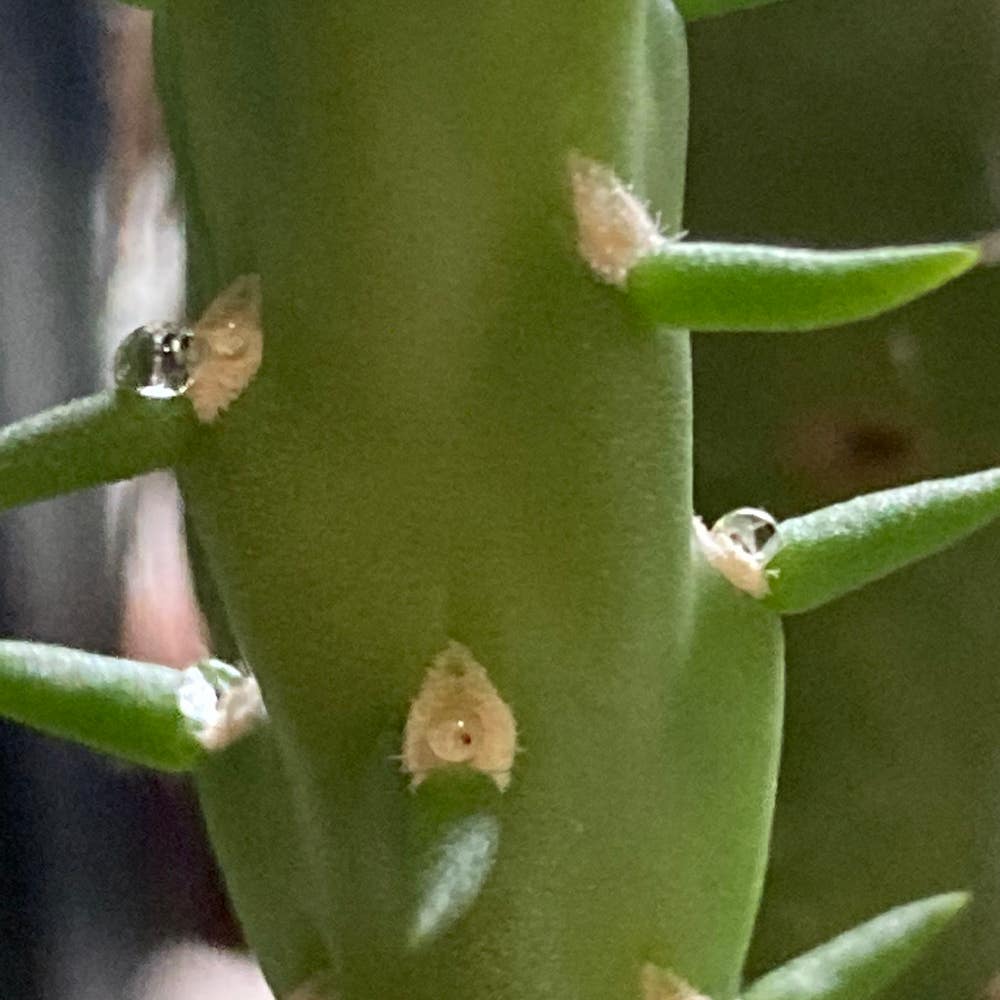
What It Means When Your Sonoran Jumping Cholla Wilts 🌵
Cylindropuntia fulgida
By the Greg Editorial Team
Oct 02, 2024•6 min read
This article was created with the help of AI so we can cover more plants for you. May contain errors. See one? Report it here.
- 💧 Wilting indicates water stress; check for under-watering or root rot.
- 🌡️ Heat stress causes wilting; provide shade and monitor temperature changes.
- 🦠 Rare diseases can cause wilting; inspect for discoloration or unusual growths.
Common Causes of Wilting Leaves
💧 Water Stress
Wilting leaves on your Sonoran Jumping Cholla often signal water stress. Symptoms include shriveled or limp pads, indicating that the plant is either thirsty or drowning.
Causes of Water Stress:
- Inadequate Watering: During growth periods, your cactus needs consistent moisture. If it doesn't get enough, it will show signs of distress.
- Overwatering: Conversely, poor drainage can lead to root rot. This condition can suffocate the roots, causing the plant to wilt.
🔥 Heat Stress
Heat stress can also lead to wilting, especially if your cactus isn't acclimatized to sudden temperature spikes. You might notice leaves turning yellow or brown before they start to droop.
Causes of Heat Stress:
- Sudden Temperature Spikes: Extreme heat can shock your cactus, especially if it’s not used to such conditions.
- Insufficient Shade: Without protection during peak sun hours, your plant may struggle to cope with intense sunlight.
🦠 Disease-Related Wilting
While disease-related wilting is rare in Sonoran Jumping Cholla, it can still happen. If you see wilting accompanied by discoloration or spots, it may indicate a pathogen issue.
Causes of Disease-Related Wilting:
- Pathogens: Though uncommon, certain pathogens can affect your cactus. It's essential to monitor for any unusual growths or signs of disease.
Understanding these common causes of wilting leaves can help you take action before your cactus suffers further. Next, let’s explore how to diagnose wilting effectively.
Diagnosing Wilting
🕵️♂️ Step-by-Step Guide to Diagnose Wilting
Assess watering habits: Start by checking the soil moisture level. You can use a moisture meter or simply stick your finger into the soil to gauge its dampness.
Evaluate watering frequency: Compare your current watering schedule with the seasonal needs of your Sonoran Jumping Cholla. Adjust as necessary to ensure it gets the right amount of moisture.
Examine environmental conditions: Monitor temperature fluctuations by recording daily highs and lows. This helps you understand if extreme temperatures are affecting your cactus.
Check for exposure to direct sunlight: Observe light conditions throughout the day. Ensure your cactus isn’t getting scorched during peak sun hours.
Inspect for signs of disease: Look closely at the pads for any discoloration, spots, or unusual growths. These can indicate underlying health issues.
Assess for pests or other external factors: Keep an eye out for any pests that might be affecting your cactus's health. A thorough inspection can save your plant from further damage.
👀 Signs to Look for in Wilting Leaves
Color changes: Watch for yellowing or browning of the pads. These changes can signal distress.
Texture changes: Feel for any shriveling or softness in the pads. Healthy pads should feel firm and plump.
Overall plant posture: Observe the cactus's stance. If it’s drooping or leaning, it’s a clear sign that something is off.
By following these steps, you can effectively diagnose the cause of wilting in your Sonoran Jumping Cholla. Understanding these signs will empower you to take action and restore your cactus to its vibrant self.
Next, let’s explore actionable solutions for addressing wilting issues.
Solutions for Wilting
💧 Actionable Advice for Water Stress
Adjusting your watering schedule is crucial for your Sonoran Jumping Cholla's health. Water deeply but infrequently, allowing the soil to dry out between waterings to prevent over-saturation.
Using well-draining soil is another key factor. This ensures proper drainage, which is vital to avoid root rot and keep your cactus thriving.
☀️ Actionable Advice for Heat Stress
Providing shade during peak hours can make a significant difference. Consider using shade cloth or relocating your cactus to a cooler area when extreme heat hits.
Monitoring temperature is equally important. Keeping your cactus in a stable environment helps avoid sudden changes that can lead to wilting.
🦠 Actionable Advice for Disease-Related Wilting
Identifying and treating pathogens is essential if you notice disease symptoms. Remove any affected pads and apply appropriate fungicides to combat the issue effectively.
Maintaining cleanliness around your cactus can prevent disease spread. Regularly clean the area to ensure a healthy growing environment for your Sonoran Jumping Cholla.
With these actionable solutions, you can address wilting effectively and keep your cactus in top shape. Next, let’s explore preventive measures to minimize future wilting episodes.
Preventive Measures
Tips to Minimize Future Wilting Episodes 🌵
Establishing a consistent watering routine is crucial for your Sonoran Jumping Cholla. Consider using the Greg plant care app, which offers tailored reminders to meet your cactus's specific needs.
Regularly monitoring environmental conditions can also make a significant difference. Keep an eye on temperature and humidity levels to ensure your cactus thrives.
Environmental Conditions to Monitor 🌡️
Soil moisture is key; it should remain within optimal levels for healthy growth. Use a moisture meter or your finger to check the soil's dampness regularly.
Temperature extremes can be detrimental. Protect your cactus from sudden changes in heat or cold to prevent stress and wilting.
By staying proactive with these preventive measures, you can help your Sonoran Jumping Cholla flourish and minimize the risk of wilting. Next, let’s explore how to revive a wilted cactus effectively.
Reviving a Wilted Cactus
🌊 Techniques for Bottom Watering
Bottom watering is a simple yet effective method to revive your wilted Sonoran Jumping Cholla. Just place the pot in a shallow tray of water for about 30 minutes, allowing the roots to soak up moisture from below.
🌳 Relocating to a Suitable Environment
If your cactus is struggling, consider relocating it. Move it to a shaded area or a spot with more stable temperatures to help it recover. Gradually acclimate it back to full sun exposure to prevent shock.
✂️ Pruning Damaged Leaves
Pruning can also aid in revival. Use clean, sharp tools to carefully remove any wilted or damaged pads. After cutting, let the surfaces callous over before replanting or watering to promote healing.
Reviving a wilted cactus requires a bit of patience and care. By following these techniques, you can help your Sonoran Jumping Cholla bounce back and thrive once again. Next, let’s explore when it’s time to seek further assistance for your plant.
When to Seek Further Assistance
🚨 Signs That Require Expert Help
If your Sonoran Jumping Cholla continues to wilt despite your best care efforts, it may be time to consult an expert. Persistent wilting can indicate underlying issues that are difficult to diagnose without professional insight.
Look out for severe signs of disease or pest infestation. If you notice unusual discoloration, spots, or an influx of pests, these are red flags that warrant immediate attention.
📚 Resources
For expert advice, don’t hesitate to contact local nurseries. They can provide tailored guidance based on your specific situation and the local environment.
Additionally, engaging with the plant care community online can be incredibly beneficial. Sharing experiences and solutions with fellow enthusiasts can offer new perspectives and practical tips to revive your cactus.
By staying proactive and seeking help when needed, you can ensure your Sonoran Jumping Cholla thrives in the long run.
⚠️ Safety First
This content is for general information and may contain errors, omissions, or outdated details. It is not medical, veterinary advice, or an endorsement of therapeutic claims.
Always consult a qualified healthcare professional before using any plant as food, medicine, or supplement.
Never eat any plant (or feed one to pets) without confirming its identity with at least two trusted sources.
If you suspect poisoning, call Poison Control (800) 222-1222, the Pet Poison Helpline (800) 213-6680, or your local emergency service immediately.
Spotted an error? Please report it here.
Revive your wilting Sonoran Jumping Cholla with Greg's tailored watering reminders 🌵, ensuring it gets just the right care to thrive in any environment!