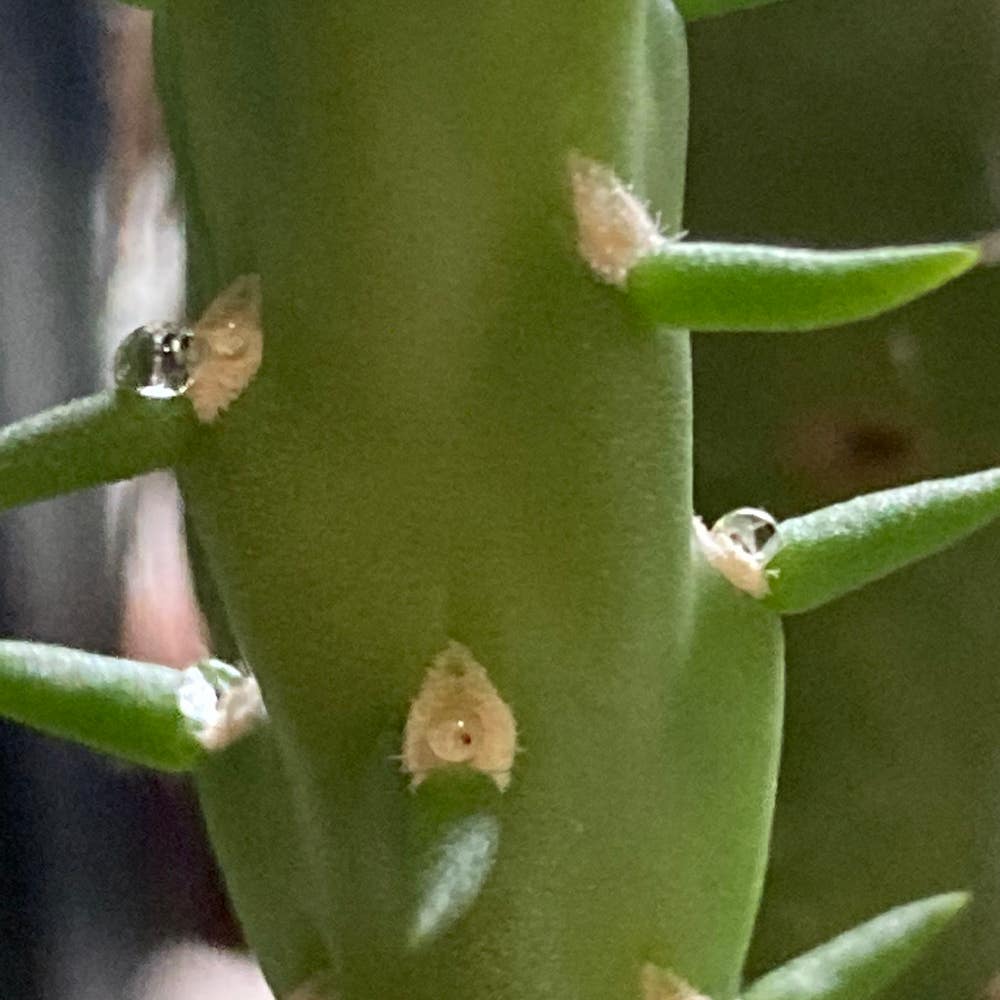
🌵 9 Outdoor Care Hacks for Sonoran Jumping Cholla
Cylindropuntia fulgida
By the Greg Editorial Team
Oct 02, 2024•7 min read
This article was created with the help of AI so we can cover more plants for you. May contain errors. See one? Report it here.
- ☀️ Sonoran Jumping Cholla needs 6-8 hours of sunlight for optimal growth and flowering.
- 💧 Water deeply every 2-3 weeks initially; established plants need minimal watering.
- 🌱 Well-draining soil is crucial; sandy or rocky mixes prevent root rot.
Sunlight Needs and Optimal Exposure
Ideal Conditions 🌞
Sonoran Jumping Cholla thrives in full sun, needing at least 6-8 hours of direct sunlight each day. This exposure is crucial as it promotes robust growth and vibrant flowering.
Signs of Insufficient Light 🚫
If your cholla is not getting enough light, you might notice stunted growth. Look for elongated stems and a lack of vigor, which indicate that your plant is struggling.
Reduced flowering is another telltale sign. Fewer blooms during the growing season suggest that your cholla isn't receiving the sunlight it craves.
Ensuring your Sonoran Jumping Cholla gets the right amount of sunlight is essential for its health and beauty. With proper exposure, you’ll enjoy a thriving plant that showcases its stunning blooms.
Next, let’s explore the watering requirements and frequency to keep your cholla flourishing.
Watering Requirements and Frequency
Initial Watering Needs 🌊
During the first growing season, your Sonoran Jumping Cholla needs a deep drink every 2-3 weeks. Before you water, check that the top 2 inches of soil are dry; this ensures your cactus is getting just the right amount of moisture.
Established Plant Watering 💧
Once established, the watering routine changes significantly. Your cactus will thrive on minimal water, only requiring it during prolonged dry spells.
Signs of Overwatering 🚫
Be cautious, as overwatering can lead to issues. Look out for yellowing pads and mushy stems, which are clear indicators that your plant is getting too much moisture.
Maintaining the right watering schedule is crucial for the health of your Sonoran Jumping Cholla. Next, let’s explore the ideal soil preferences and amendments to support its growth.
Soil Preferences and Amendments
🌱 Ideal Soil Composition
For your Sonoran Jumping Cholla, well-draining soil is crucial. Sandy or rocky soil prevents root rot, allowing the plant to thrive.
The ideal soil pH ranges from slightly acidic to neutral, specifically between 6.0 and 7.0. This balance supports optimal nutrient uptake.
🧪 Soil Amendments
To enhance drainage and aeration, consider adding perlite or coarse sand to your soil mix. These amendments create a loose structure that benefits root health.
While organic matter can improve soil structure, use it sparingly. Too much can retain excess moisture, which is detrimental to your cactus.
With the right soil conditions, your Sonoran Jumping Cholla will flourish. Next, let’s explore how to effectively water your cactus for optimal growth.
Fertilization Tips and Schedules
Fertilization Frequency 🌱
For the Sonoran Jumping Cholla, annual fertilization is key. Apply a balanced cactus fertilizer in early spring to kickstart its growth.
Types of Fertilizers 🥬
Opt for slow-release fertilizers to provide nutrients gradually. If you prefer organic options, fish emulsion or compost tea can give your cactus a natural boost.
Fertilizing your cactus not only supports its health but also enhances its vibrant blooms. With the right care, your Sonoran Jumping Cholla will thrive and become a stunning focal point in your garden.
As you nurture your cactus, keep an eye on its overall health and adjust your care routine accordingly. Next, let’s explore the best planting options and how to protect your cactus from extreme weather.
Planting Options and Weather Protection
🌱 Container vs. Ground Planting
Choosing between container and ground planting for your Sonoran Jumping Cholla can significantly impact its growth and care.
Benefits of Container Planting
Container planting offers mobility, allowing you to reposition your cactus to optimize sunlight exposure. It also provides a controlled environment, making it easier to manage soil conditions and pests.
Drawbacks of Container Planting
However, containers can limit growth space, which may stunt the plant's development. Additionally, they require more frequent watering, especially in hot weather, as they tend to dry out faster.
Benefits of Ground Planting
On the other hand, ground planting allows for natural growth, giving your cactus ample room to thrive. It also benefits from better temperature regulation, as the earth retains moisture and warmth.
Drawbacks of Ground Planting
The downside is that ground planting offers less control over the plant's environment. Once planted, the location is permanent, making it difficult to adjust for changing conditions.
🌪️ Strategies for Extreme Weather
Protecting your Sonoran Jumping Cholla from extreme weather is crucial for its health and longevity.
Heat Protection
During scorching summers, use shade cloth to shield your cactus from intense sunlight. Applying gravel or rocks as mulch can help retain soil moisture and keep roots cool.
Frost Protection
In colder months, frost can be a real threat. Cover your plants with frost cloth to provide insulation, and consider utilizing microclimates—areas that naturally stay warmer—to enhance their chances of survival.
By understanding the pros and cons of planting options and implementing effective weather protection strategies, you can ensure your Sonoran Jumping Cholla thrives in any environment. Next, let’s explore pest and disease management to keep your cactus healthy and vibrant.
Pest and Disease Management
🐜 Common Outdoor Pests
Aphids
Aphids can be a nuisance for your Sonoran Jumping Cholla. Look for sticky residue on pads and curled leaves as signs of infestation.
To control aphids, consider using neem oil or insecticidal soap. These methods are effective and environmentally friendly.
Scale Insects
Scale insects are another common threat. You’ll notice hard, shell-like bumps on the pads if they invade.
For scale control, manual removal works well, or you can apply horticultural oil to suffocate them.
⚠️ Signs of Disease and Treatment
Root Rot
Root rot is a serious issue that can sneak up on you. Symptoms include wilting, even when you’re watering adequately.
If you suspect root rot, remove the affected roots and repot the plant in fresh, well-draining soil. This can save your cactus from further decline.
Fungal Infections
Fungal infections can manifest as dark spots or lesions on the pads. These are not just cosmetic issues; they can weaken your plant.
To treat fungal infections, apply a fungicide and improve air circulation around the plant. This helps prevent future outbreaks.
🛡️ Preventative Measures
Prevention is key in pest and disease management. Regular inspections of your plants can help catch issues early.
Maintain healthy plant practices by ensuring proper watering and fertilization. A vigorous plant is less likely to fall victim to pests and diseases.
By staying vigilant and proactive, you can keep your Sonoran Jumping Cholla thriving. Next, let’s explore seasonal care tips to ensure your cactus remains healthy throughout the year.
Seasonal Care
🌱 Spring to Winter Care Tips
Caring for your Sonoran Jumping Cholla throughout the seasons is essential for its health and vitality. Each season brings unique needs that can significantly impact growth and flowering.
🌼 Spring: Revitalize Growth
As spring arrives, it's time to ramp up your care routine. Increase watering frequency and apply a balanced fertilizer to kickstart growth after the dormant winter months.
☀️ Summer: Stay Vigilant
During the hot summer months, keep a close eye on soil moisture. Providing shade can help protect your cactus from the intense sun, ensuring it doesn’t dry out too quickly.
🍂 Fall: Prepare for Dormancy
As temperatures begin to cool in the fall, it's crucial to adjust your watering schedule. Reduce watering and stop fertilizing to prepare your plant for its winter dormancy.
❄️ Winter: Minimal Care
In winter, your Sonoran Jumping Cholla requires minimal attention. Water sparingly and protect it from frost to ensure it survives the colder months.
By following these seasonal care tips, you can help your Sonoran Jumping Cholla thrive year-round. Next, let’s explore the best climate zones for optimal growth.
Climate Zone Considerations
🌞 Best Climate Zones
The Sonoran Jumping Cholla thrives in USDA zones 9-11, where the climate is warm and dry. These zones provide the ideal conditions for healthy growth and vibrant blooms.
🌵 Adaptations for Different Climates
In arid climates, xeriscaping techniques are essential. This approach conserves water while ensuring your cholla gets the sunlight it craves.
In humid climates, excellent drainage is crucial to prevent root rot. Consider raised beds or well-draining pots to keep your plant happy and healthy.
⚠️ Special Considerations
For arid regions, focus on the cholla's natural drought tolerance. This cactus is built to withstand dry spells, so let it shine in its native environment.
In humid areas, keep an eye out for fungal diseases. Adjust your watering schedule to maintain a balance that supports growth without over-saturating the soil.
Understanding these climate considerations will help you nurture your Sonoran Jumping Cholla effectively. Next, let’s explore seasonal care tips to keep your cactus thriving throughout the year.
⚠️ Safety First
This content is for general information and may contain errors, omissions, or outdated details. It is not medical, veterinary advice, or an endorsement of therapeutic claims.
Always consult a qualified healthcare professional before using any plant as food, medicine, or supplement.
Never eat any plant (or feed one to pets) without confirming its identity with at least two trusted sources.
If you suspect poisoning, call Poison Control (800) 222-1222, the Pet Poison Helpline (800) 213-6680, or your local emergency service immediately.
Spotted an error? Please report it here.
Keep your Sonoran Jumping Cholla thriving 🌵 with Greg's tailored watering alerts and soil tips that make outdoor care a breeze!