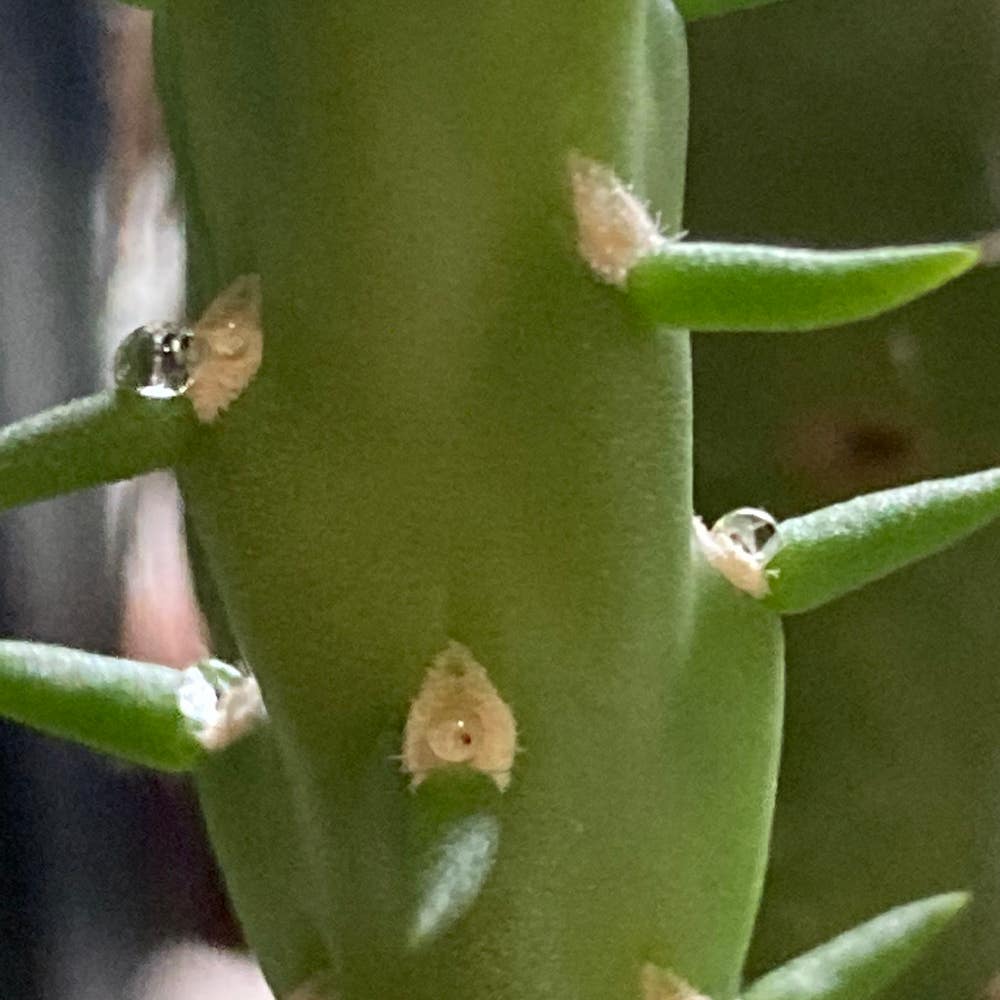
Sonoran Jumping Cholla Fertilizer: How and When to Use It
Cylindropuntia fulgida
By the Greg Editorial Team
Mar 13, 2024•3 min read
This article was created with the help of AI so we can cover more plants for you. May contain errors. See one? Report it here.
- 🌵 Low N, high P and K - Tailor fertilizer to Cholla's needs.
- Fertilize during growth cycle, avoid dormancy periods for best results.
- Spot over-fertilization signs - white crust, yellow leaves; fix with soil flush.
Picking the Perfect Fertilizer for Your Spiky Friend
💡 Understanding Nutritional Needs
The Sonoran Jumping Cholla has a specific appetite for nutrients that encourage robust health and vibrant flowering. Key nutrients include a low nitrogen (N) content to prevent excessive vegetative growth, with a higher emphasis on phosphorus (P) and potassium (K) to promote root development and enhance the plant's resilience.
💡 Fertilizer Types and Brands
When selecting fertilizer, the cactus-specific formulas are your best bet. These are crafted to cater to the unique needs of desert plants, featuring the low-N, high-PK ratio that the Sonoran Jumping Cholla thrives on. General fertilizers can be used but may not yield the same stellar results.
💡 Reading the Labels
Deciphering N-P-K ratios on labels is crucial. Look for a blend like 5-10-10, which indicates a lower nitrogen level compared to phosphorus and potassium. This ratio supports the Sonoran Jumping Cholla's growth without pushing it towards an unwanted lush, leafy existence. Remember, micronutrients like iron and manganese, though less talked about, are also vital for the plant's well-being.
Timing is Everything: When to Fertilize
💡 Growth and Dormancy Cycles
Fertilizing your Sonoran Jumping Cholla isn't a year-round affair. Align your fertilization efforts with the plant's growth cycle. When it's dormant, the cholla isn't looking for a nutrient-packed meal
The Art of Fertilizing Sonoran Jumping Cholla
💧 Preparing the Fertilizer Mix
Dilution is not just for cocktails; it's essential for your cactus's health. Mix your liquid fertilizer at half-strength, unless the product is a rebel and says otherwise. Use pure, distilled water if your tap water is harder than a calculus exam. For granular types, think of it as a sprinkle of salt on your meal—apply and then water it down to start the nutrient party.
🌱 Application Techniques
When it's time to feed your spiky friend, avoid direct contact with the stem; it's not a handshake. Apply the diluted liquid to the soil, ensuring it's already moist to prevent root burn, which is as bad as it sounds. For the granular groupies, scatter it around the base like you're seasoning from a height—then water immediately.
⏰ Frequency of Fertilization
Striking the right fertilization frequency is like finding the perfect rhythm in music; too much and it's noise, too little and it's forgettable. During the growing season, a monthly serenade of nutrients will do. But when the Sonoran Jumping Cholla starts slowing down in the fall, let it rest—no encores needed until spring.
Recognizing and Resolving Over-Fertilization
🚨 Spotting the Telltale Signs
Physical indicators of nutrient excess can be alarmingly obvious. A white, salty crust on the soil surface screams "too much!" and yellowing or browning leaves are the plant's cry for help. If your Sonoran Jumping Cholla looks more like a sad, deflated balloon than a spiky desert warrior, you've likely gone overboard with the fertilizer.
🛠 Quick Fixes for Fertilizer Faux Pas
Caught red-handed with the fertilizer spreader? Don't sweat it. First, remove any visible salt buildup; it's like taking off a plant's overly tight belt. Next, flush the soil with water—think of it as a spa day for the roots. Hold off on further fertilization until the plant forgives you with signs of green growth. Remember, plants are like teenagers; they need boundaries, not indulgence.
⚠️ Safety First
This content is for general information and may contain errors, omissions, or outdated details. It is not medical, veterinary advice, or an endorsement of therapeutic claims.
Always consult a qualified healthcare professional before using any plant as food, medicine, or supplement.
Never eat any plant (or feed one to pets) without confirming its identity with at least two trusted sources.
If you suspect poisoning, call Poison Control (800) 222-1222, the Pet Poison Helpline (800) 213-6680, or your local emergency service immediately.
Spotted an error? Please report it here.
Perfect your Sonoran Jumping Cholla's fertilizing routine with custom reminders 🌵 from Greg, ensuring it gets just the nutrients it needs when it needs them.