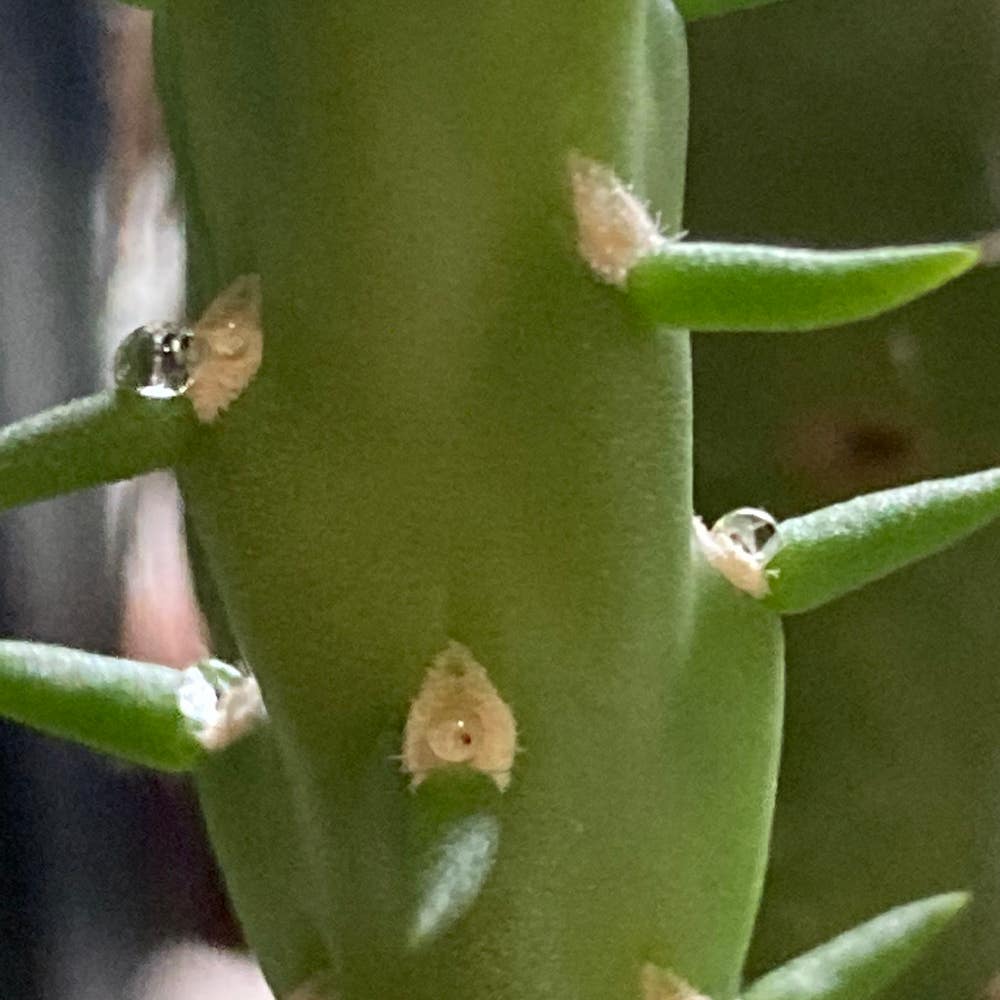
🌵 Determining What Might Be Eating Your Sonoran Jumping Cholla
Cylindropuntia fulgida
By the Greg Editorial Team
Oct 02, 2024•6 min read
This article was created with the help of AI so we can cover more plants for you. May contain errors. See one? Report it here.
- 🦌🌱 Common herbivores like deer, rabbits, and squirrels threaten Sonoran Jumping Cholla health.
- 🔍 Signs of damage include hoof prints, droppings, and chewed stems—monitor regularly!
- 🚫🌿 Deterrent methods like fencing and repellents can protect your plants effectively.
Common Herbivores Affecting Sonoran Jumping Cholla
🦌 Deer
Signs of Presence and Damage Caused
Look for distinct hoof prints near your Sonoran Jumping Cholla. Deer often browse on stems and young shoots, which can lead to stunted growth.
Beneficial vs. Harmful Interactions
Deer interactions are generally harmful. If not managed, they can decimate populations of these plants.
Deterrent Methods
To deter deer, consider using commercial deer repellents. Alternatively, planting strong-smelling herbs nearby can also help keep them at bay.
🐇 Rabbits
Signs of Presence and Damage Caused
Signs of rabbits include droppings and chewed stems. Their gnawing on young shoots and fruits can lead to significant plant stress.
Beneficial vs. Harmful Interactions
Rabbits are generally harmful to your plants. They can significantly reduce the vigor of the Sonoran Jumping Cholla.
Deterrent Methods
For easy deterrence, use bitter-tasting sprays. Fencing or using predator urine can also effectively keep rabbits away.
🐿️ Squirrels
Signs of Presence and Damage Caused
Look for chewed stems and scattered debris as signs of squirrel activity. They often strip bark and consume fruits, weakening the plants.
Beneficial vs. Harmful Interactions
Squirrels are generally harmful. Their activities can increase the plant's susceptibility to disease.
Deterrent Methods
Consider using squirrel repellents as a chemical deterrent. Installing barriers or using noise deterrents can also help manage their presence.
🐦 Birds
Signs of Presence and Damage Caused
Feather remnants and peck marks on fruits indicate bird activity. They consume fruits and flowers, which can reduce seed production.
Beneficial vs. Harmful Interactions
Birds can be beneficial, aiding in pollination and seed dispersal. However, their feeding can still pose challenges.
Deterrent Methods
Non-toxic bird repellents are an easy chemical option. Scare tactics, like reflective tape, can also effectively deter them.
🐭 Rodents (Mice, Voles, etc.)
Signs of Presence and Damage Caused
Look for burrows and gnaw marks on stems as signs of rodent activity. They can cause root damage and stem girdling, leading to plant decline.
Beneficial vs. Harmful Interactions
Rodents are generally harmful. Their presence can severely impact the health of your Sonoran Jumping Cholla.
Deterrent Methods
Rodent bait stations serve as a chemical deterrent. Alternatively, trapping and habitat modification can help manage their populations.
🦡 Groundhogs/Woodchucks
Signs of Presence and Damage Caused
Large burrows and clipped stems are clear signs of groundhog activity. They extensively feed on young shoots and roots, causing significant damage.
Beneficial vs. Harmful Interactions
Groundhogs are generally harmful. They can devastate garden areas if left unchecked.
Deterrent Methods
Commercial repellents can deter groundhogs, but fencing at least 3 feet high is often necessary. Habitat modification can also help keep them away.
Understanding these common herbivores is crucial for protecting your Sonoran Jumping Cholla. By implementing effective deterrent methods, you can create a thriving environment for your plants while managing potential threats.
Beneficial Animals and Ecological Role
🐝 Description of Beneficial Animals
Beneficial animals play a crucial role in the health of your Sonoran Jumping Cholla. Pollinators like bees and butterflies are attracted to its vibrant flowers, facilitating the essential process of pollination.
Birds also contribute significantly by consuming the fruits and spreading seeds, ensuring the plant's propagation across the landscape.
🌱 Positive Impacts on the Garden Ecosystem
These interactions enhance biodiversity, creating a thriving ecosystem. A diverse range of species supports a balanced environment, making your garden more resilient.
Moreover, promoting pollination increases fruit and seed production, leading to a more fruitful and vibrant garden. By fostering these beneficial relationships, you not only protect your plants but also enrich the entire ecosystem.
As you cultivate your garden, consider how these beneficial animals can coexist with your Sonoran Jumping Cholla. This balance is key to a flourishing environment, setting the stage for the next topic on general strategies for protection.
General Strategies for Protection
🛡️ Preventive Measures for Protecting Sonoran Jumping Cholla
To safeguard your Sonoran Jumping Cholla, start with plant placement. Position your cholla away from known herbivore pathways to minimize encounters.
Companion planting is another effective strategy. Surround your cholla with plants that naturally deter herbivores, creating a protective barrier.
⚠️ Reactive Solutions for Managing Animal Interactions
Regular monitoring is crucial. Check for signs of herbivore activity, such as droppings or chewed stems, to catch issues early.
When you spot signs, implement quick responses. Use deterrents immediately to protect your plants from further damage.
🌱 Balancing Garden Ecosystem While Deterring Herbivores
It's essential to encourage beneficial species while managing harmful ones. Attract pollinators and other helpful animals to create a balanced ecosystem.
Finally, focus on creating a habitat that supports both plants and wildlife. This approach fosters a thriving garden environment, benefiting all inhabitants.
By integrating these strategies, you can effectively protect your Sonoran Jumping Cholla while maintaining a vibrant garden ecosystem.
Seasonal Considerations
🌱 Seasonal Variations in Animal Attraction to Sonoran Jumping Cholla
As the seasons change, so does the activity of herbivores around the Sonoran Jumping Cholla. In spring, the plant bursts into new growth and flowers, drawing in a variety of animals eager to feast on the tender shoots.
By summer, the ripening fruits become a magnet for herbivores. This increased availability of food can lead to heightened competition among animals, making it crucial to monitor your plants closely.
⏰ Timing of Plant Vulnerability and Animal Activity
The Sonoran Jumping Cholla faces its most vulnerable periods during early spring and late summer. During these times, young shoots and fruits are readily available, making them prime targets for hungry herbivores.
Understanding these seasonal patterns can help you take proactive measures to protect your plants. By anticipating when herbivores are most active, you can implement effective deterrents and safeguard your garden's health.
Toxicity and Safety
Discussion of Toxic Effects of Sonoran Jumping Cholla on Animals 🌵
The Sonoran Jumping Cholla possesses mild toxicity, which can deter certain herbivores from munching on its parts. This natural defense mechanism helps the plant survive in its harsh desert environment.
However, the toxicity can create a complex interaction with wildlife. While some animals may avoid the cholla, others might be attracted to it, leading to a mixed bag of effects on the local ecosystem.
Implications for Animal Interactions and Plant Health 🐾
Understanding the balance of toxicity is crucial for maintaining plant health. The presence of toxic compounds can influence herbivore behavior, potentially reducing damage from certain species.
Yet, this same toxicity might not deter all animals, which means vigilance is necessary. Monitoring interactions can help gardeners protect their Sonoran Jumping Cholla while fostering a healthy ecosystem.
In the end, knowing how toxicity affects both animals and plants can empower you to create a thriving garden environment. This balance is key to ensuring that your cholla remains healthy and resilient against herbivore pressures.
⚠️ Safety First
This content is for general information and may contain errors, omissions, or outdated details. It is not medical, veterinary advice, or an endorsement of therapeutic claims.
Always consult a qualified healthcare professional before using any plant as food, medicine, or supplement.
Never eat any plant (or feed one to pets) without confirming its identity with at least two trusted sources.
If you suspect poisoning, call Poison Control (800) 222-1222, the Pet Poison Helpline (800) 213-6680, or your local emergency service immediately.
Spotted an error? Please report it here.
Protect your Sonoran Jumping Cholla from herbivores by staying alert for damage signs and using effective deterrents, and let Greg help you thrive with custom care tips and reminders! 🌵