🌵 Why Sonoran Jumping Cholla Is A Perennial Plant
Cylindropuntia fulgida
By the Greg Editorial Team
Oct 02, 2024•6 min read
This article was created with the help of AI so we can cover more plants for you. May contain errors. See one? Report it here.
- 🌵 Sonoran Jumping Cholla thrives in harsh desert conditions, showcasing remarkable resilience.
- 🌼 Vibrant flowers attract pollinators, blooming in late spring to early summer.
- 🌍 Deep roots enhance drought resistance, making it a low-maintenance garden choice.
Characteristics of Sonoran Jumping Cholla as a Perennial
🌵 Key Features of Perennial Plants
The Sonoran Jumping Cholla thrives in the harsh environment of the Sonoran Desert. Its native habitat is characterized by arid conditions, making it a true survivor in a challenging ecosystem.
🔍 Unique Adaptations
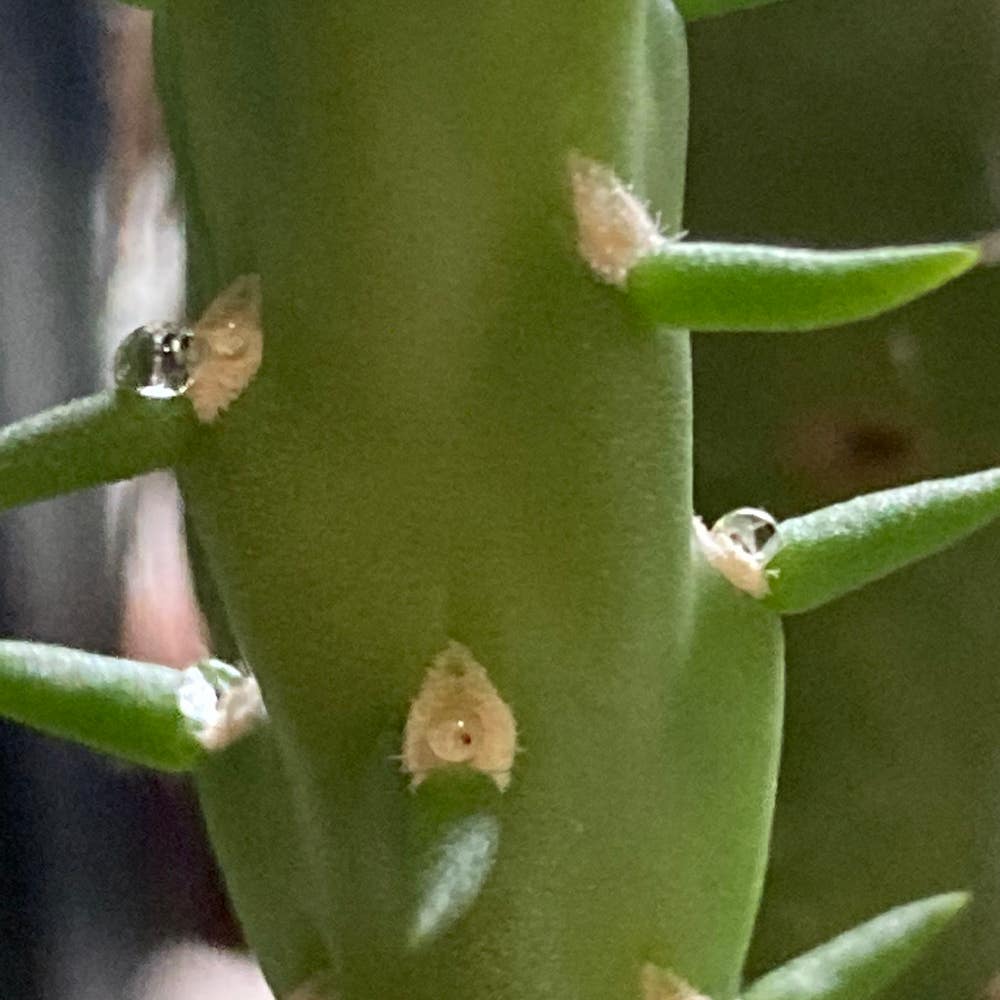
One of the standout features of this cactus is its segmented stems. These segments can detach and root, allowing the plant to propagate even in tough conditions.
Additionally, the Sonoran Jumping Cholla shows remarkable resilience to extreme temperatures. Whether it’s scorching heat or chilly nights, this plant endures where many others fail.
Moreover, it excels in poor soil conditions. Its ability to thrive in nutrient-deficient environments showcases its adaptability and strength.
In summary, the Sonoran Jumping Cholla is a prime example of a perennial plant, equipped with unique features that enable it to flourish in its native desert habitat. This adaptability not only ensures its survival but also contributes to the rich biodiversity of the region.
As we delve deeper into its lifecycle and growth patterns, we’ll uncover how these characteristics play a crucial role in its longevity and resilience.
Lifecycle and Growth Patterns
🌱 Multi-Year Lifecycle
The Sonoran Jumping Cholla has a fascinating lifecycle that unfolds over several years. It begins with germination and establishment, where seeds sprout and develop into young plants.
As these plants mature, they enter a phase of reproduction, producing vibrant flowers that attract pollinators. The typical lifespan of a Sonoran Jumping Cholla can vary, but many thrive for decades under the right conditions.
Factors influencing their longevity include environmental stressors like drought and temperature extremes. Healthy root systems play a crucial role in supporting their growth and resilience.
🌵 Growth Patterns and Regrowth Capabilities
The segmented stem structure of the Sonoran Jumping Cholla is a remarkable adaptation that aids in regrowth. When segments detach, they can root themselves, allowing the plant to spread and thrive in its arid habitat.
Seasonal growth patterns are also notable, as the plant responds to changes in temperature and moisture. During favorable conditions, it actively grows, while in harsher climates, it conserves resources.
After detachment, the regrowth mechanism relies heavily on the health of the root system. A robust root network ensures that the plant can recover and continue to flourish, even after losing parts of itself.
Understanding these lifecycle and growth patterns not only highlights the resilience of the Sonoran Jumping Cholla but also sets the stage for exploring its unique flowering cycles and overall lifespan.
Impact of Perennial Nature on Growth and Lifespan
🌼 Flowering Cycles and Patterns
The Sonoran Jumping Cholla showcases unique flowering patterns that align closely with seasonal changes. Typically, blooms appear in late spring to early summer, influenced by temperature and moisture levels.
Factors like rainfall can trigger flowering, making it a fascinating spectacle in the desert landscape. The vibrant flowers range in color from bright yellow to deep magenta, attracting various pollinators, including bees and hummingbirds.
⏳ Overall Lifespan and Longevity Factors
The expected lifespan of the Sonoran Jumping Cholla averages around 30 years, though some individuals can live much longer. Environmental factors such as drought, soil quality, and temperature extremes play a significant role in determining longevity.
Resilience is key; established root systems help the plant survive harsh conditions. These roots not only anchor the plant but also enhance its ability to absorb nutrients and water, ensuring a longer, healthier life.
Understanding these aspects of the Sonoran Jumping Cholla's growth and lifespan can inspire gardeners to appreciate the resilience of perennial plants. Next, we’ll explore dormancy and seasonal changes that further influence this remarkable cactus.
Dormancy and Seasonal Changes
🌱 Description of Dormancy Periods
Dormancy is a crucial phase for perennial plants, allowing them to conserve energy and resources during unfavorable conditions. For the Sonoran Jumping Cholla, this period typically occurs during the hottest months, when water is scarce and temperatures soar.
🌼 Seasonal Changes in Growth and Appearance
Throughout the year, the Sonoran Jumping Cholla exhibits distinct seasonal growth patterns. In spring, it bursts into life, showcasing vibrant green segments, while summer brings a more subdued appearance as it conserves moisture.
The impact of seasonal weather is significant. During cooler months, the plant may appear dormant, but it’s actively preserving energy for the next growth cycle.
🌵 Adaptations to Seasonal Changes
To survive harsh conditions, the Sonoran Jumping Cholla has developed remarkable adaptations. During dormancy, it minimizes water loss and nutrient consumption, ensuring longevity.
Indicators of seasonal transitions are fascinating. As temperatures drop, the plant’s segments may take on a more muted hue, signaling its preparation for dormancy. This resilience is a testament to its ability to thrive in the challenging environment of the Sonoran Desert.
Understanding these dormancy periods and seasonal changes not only highlights the adaptability of the Sonoran Jumping Cholla but also sets the stage for exploring its advantages for gardeners.
Advantages for Gardeners
Benefits of Reduced Replanting 🌱
One of the standout advantages of incorporating Sonoran Jumping Cholla into your garden is the long-term investment it represents. Unlike annuals, which require replanting each season, perennials like the Sonoran Jumping Cholla thrive year after year, saving you both money and time.
With fewer replanting tasks, you can focus on enjoying your garden rather than constantly maintaining it. This efficiency allows for a more relaxed gardening experience, letting you appreciate the beauty of your plants without the hassle of frequent replacements.
Importance of Established Root Systems 🌳
The deep root systems of Sonoran Jumping Cholla provide significant benefits, particularly in terms of drought resistance. These roots allow the plant to access moisture deep in the soil, making it a resilient choice for arid environments.
Additionally, established roots enhance nutrient uptake, ensuring that your plants remain healthy and vibrant. This stability contributes to a well-structured garden, as the roots help anchor the plants, preventing them from being easily uprooted by wind or heavy rain.
Incorporating Sonoran Jumping Cholla not only enriches your garden but also simplifies your gardening journey. As you consider your planting options, remember that these resilient perennials can offer both beauty and practicality, setting the stage for a thriving garden.
Next, we’ll explore how variations across climate zones can influence the behavior of perennial plants like the Sonoran Jumping Cholla.
Variations Across Climate Zones
🌍 Influence of Different Climates on Perennial Behavior
The Sonoran Jumping Cholla showcases impressive adaptability across various climate zones. In arid regions, it thrives with minimal water, while in temperate areas, it may exhibit slower growth due to increased moisture.
Growth variations are often influenced by local conditions. Factors like soil quality, temperature fluctuations, and humidity levels can significantly affect the plant's health and productivity.
🌱 Tips for Maximizing Benefits in Various Conditions
When planning your garden, selecting the right planting location is crucial. Aim for spots that mimic the Sonoran Desert's natural habitat, ensuring good drainage and plenty of sunlight.
Companion planting can also enhance your garden's ecosystem. Pairing the Sonoran Jumping Cholla with other drought-resistant perennials can create a resilient landscape.
For long-term cultivation, consider maintenance practices tailored to your climate. Regularly monitor growth patterns and adjust care routines based on seasonal changes.
This proactive approach ensures your Sonoran Jumping Cholla remains healthy and vibrant, regardless of environmental challenges. By understanding its needs, you can cultivate a thriving garden that celebrates the beauty of this remarkable perennial.
⚠️ Safety First
This content is for general information and may contain errors, omissions, or outdated details. It is not medical, veterinary advice, or an endorsement of therapeutic claims.
Always consult a qualified healthcare professional before using any plant as food, medicine, or supplement.
Never eat any plant (or feed one to pets) without confirming its identity with at least two trusted sources.
If you suspect poisoning, call Poison Control (800) 222-1222, the Pet Poison Helpline (800) 213-6680, or your local emergency service immediately.
Spotted an error? Please report it here.
Cultivate the resilient Sonoran Jumping Cholla in your garden with Greg's tailored care reminders 🌵, ensuring this stunning perennial thrives beautifully in any environment!