🌵 How to Get Rid of Chain-Link Cholla
Cylindropuntia fulgida
By the Greg Editorial Team
Sep 28, 2024•7 min read
This article was created with the help of AI so we can cover more plants for you. May contain errors. See one? Report it here.
- 🌵 Chain-Link Cholla is invasive, disrupting ecosystems and reducing biodiversity.
- 🌼 Identifiable by segmented stems and bright yellow blooms, it attracts pollinators.
- ⚠️ Effective control requires early detection and methods like manual removal and chemical treatments.
Plant Classification
Definition of Weeds and Invasive Species 🌱
Weeds are unwanted plants that aggressively invade cultivated areas, disrupting the balance of gardens and farms. Invasive species, on the other hand, are non-native plants that spread rapidly, outcompeting local flora and fauna for resources.
Criteria for Classification as Invasive 🚫
To be classified as invasive, a plant must exhibit rapid spread, quickly colonizing new areas. Additionally, it should have a competitive nature that allows it to outcompete native plants, ultimately altering habitats and disrupting local ecosystems.
Chain-Link Cholla's Characteristics 🌵
Chain-Link Cholla is easily recognized by its segmented structure and spiny texture. Its rapid growth and ability to thrive in poor soil conditions significantly contribute to its invasive status, making it a formidable opponent in the fight for ecological balance.
Understanding these classifications and characteristics is crucial for effective management and control of Chain-Link Cholla. This knowledge sets the stage for identifying and addressing its impact on local ecosystems.
Identification
Key Identifying Features 🌵
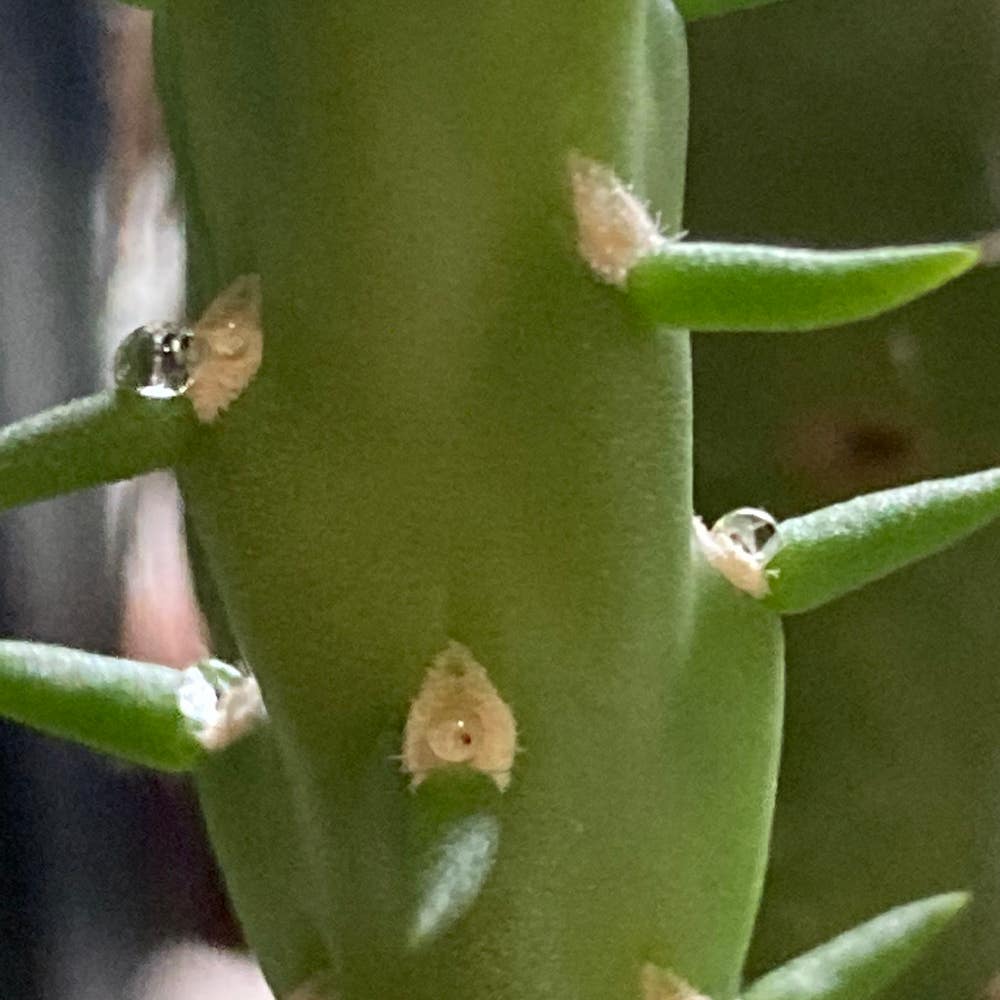
Chain-Link Cholla is easily recognizable due to its segmented stems. These cylindrical, spiny structures give it a distinctive look that stands out in any landscape.
The plant produces bright yellow blooms that not only add a splash of color but also attract various pollinators. Typically, Chain-Link Cholla grows between 3 to 6 feet tall, making it a prominent feature in its environment.
Comparison with Look-Alike Plants 👀
When identifying Chain-Link Cholla, it's essential to distinguish it from similar cacti, such as the Teddy Bear Cholla. While both have spiny appearances, the segmented structure of Chain-Link Cholla is more pronounced.
Additionally, the flowers of Chain-Link Cholla are often brighter and more vibrant than those of its look-alikes. Understanding these differences can help you accurately identify this invasive species and take appropriate action.
With these identifying features in mind, you’ll be better equipped to spot Chain-Link Cholla in the wild. Next, we’ll explore its growth habits and how it spreads in various environments.
Growth Habits and Spread
Typical Growth Patterns 🌱
Chain-Link Cholla exhibits an upright, branching structure that can quickly form dense thickets. This growth habit allows it to dominate areas, making it a formidable presence in any landscape.
Seasonal Growth ☀️
During warmer months, this cactus is particularly active, showcasing its rapid growth. Its ability to thrive in these conditions contributes to its invasive nature.
Reproductive Strategies and Methods of Spread 🌼
Chain-Link Cholla is a prolific producer of seeds, with a high output and viability. This means that even a few plants can lead to a significant infestation over time.
Vegetative Fragmentation 🌿
In addition to seed production, Chain-Link Cholla can propagate from broken segments. This method of spread allows it to quickly establish itself in new areas, further complicating control efforts.
Adaptability to Various Environments 🌍
This cactus thrives in arid and semi-arid conditions, showcasing its resilience. Its tolerance to poor soil and drought makes it a survivor in challenging environments.
Conclusion 📜
Understanding the growth habits and spread of Chain-Link Cholla is crucial for effective management. With its aggressive reproductive strategies and adaptability, early intervention is key to preventing its establishment in new areas.
Ecological and Economic Impact
Effects on Native Plant Communities 🌱
Chain-Link Cholla can significantly displace native flora by forming dense thickets. These thickets outcompete local species for essential resources like light and nutrients.
Alteration of Habitat Structure 🏞️
The presence of Chain-Link Cholla changes the habitat structure, affecting the ecosystem's overall balance. This alteration can lead to reduced biodiversity as native plants struggle to survive.
Impact on Wildlife and Biodiversity 🦋
The disruption of food webs is another critical consequence of Chain-Link Cholla's spread. As native plants diminish, herbivores lose vital food sources, which can ripple through the ecosystem.
Potential Harm to Pollinators 🐝
Changes in plant diversity can also harm pollinator populations. With fewer native plants available, pollinators may struggle to find the resources they need to thrive.
Economic Losses and Agricultural Challenges 💸
The economic impact of managing Chain-Link Cholla is significant. Landowners face rising costs for removal efforts, which can strain budgets.
Competition with Crops 🌾
Additionally, Chain-Link Cholla competes with crops for resources, leading to reduced agricultural yields. This competition can threaten food security and farmer livelihoods.
Understanding these ecological and economic impacts highlights the urgency of addressing Chain-Link Cholla's spread. Effective management strategies are essential to protect both native ecosystems and agricultural interests.
Control and Management
🧤 Manual Removal Techniques and Best Practices
To effectively manage Chain-Link Cholla, start with the right tools: gloves, shovels, and pruners are essential.
The removal method involves digging out the root system thoroughly to prevent any chance of regrowth.
Proper disposal is crucial. Ensure that removed segments are disposed of in a way that prevents re-establishment in the area.
🧪 Chemical Control Options and Safety Considerations
When considering chemical control, specific herbicides can be effective against Chain-Link Cholla.
Timing and application techniques are vital for optimal effectiveness; follow the manufacturer's instructions closely.
Safety precautions should never be overlooked. Always wear protective gear and consider environmental impacts when applying chemicals.
🚫 Preventive Measures to Limit Spread
Implementing best practices for land management can significantly limit the establishment of Chain-Link Cholla.
Regular monitoring and early intervention are key strategies to catch new infestations before they spread.
🔍 Importance of Early Detection and Rapid Response
Identifying new infestations quickly can make all the difference in controlling Chain-Link Cholla.
Community involvement in monitoring efforts fosters a proactive approach, ensuring that everyone plays a role in managing this invasive species.
By understanding and applying these control and management techniques, you can help protect local ecosystems from the invasive spread of Chain-Link Cholla. Next, let’s explore the legal status surrounding its management and removal.
Legal Status
Overview of Laws and Regulations 🌍
Managing invasive species like Chain-Link Cholla is governed by federal and state regulations. These laws aim to control the spread of invasive plants and protect native ecosystems.
Requirements for Removal or Control 📜
Local ordinances often dictate how land managers and gardeners should handle invasive species. Compliance with these guidelines is crucial to avoid penalties and ensure effective management.
Implications for Land Managers and Gardeners 🧑🌾
Land managers and gardeners have a responsibility to control invasive species on their properties. This includes understanding local laws and taking proactive measures to prevent the establishment of Chain-Link Cholla.
Understanding the legal landscape surrounding invasive species is essential for effective management. By adhering to regulations, you contribute to the health of local ecosystems and help preserve biodiversity.
As we move forward, let's explore the potential benefits or uses of Chain-Link Cholla, despite its invasive nature.
Potential Benefits or Uses
📜 Historical and Current Uses
Chain-Link Cholla has a rich history, particularly among indigenous cultures. These communities utilized its segments for various purposes, including crafting tools and constructing shelters.
🌿 Landscaping and Erosion Control
In modern landscaping, some people consider Chain-Link Cholla for its unique aesthetic and drought resistance. However, it's crucial to note that its invasive nature often leads to more harm than good, overshadowing any potential benefits.
While it may seem appealing for erosion control, the dense thickets formed by this cactus can displace native plants, disrupting local ecosystems. Ultimately, the negative impacts of Chain-Link Cholla far outweigh its uses, making it essential to approach its management with caution.
As we explore the complexities of this invasive species, understanding its implications helps us make informed decisions about our landscapes and ecosystems.
⚠️ Safety First
This content is for general information and may contain errors, omissions, or outdated details. It is not medical, veterinary advice, or an endorsement of therapeutic claims.
Always consult a qualified healthcare professional before using any plant as food, medicine, or supplement.
Never eat any plant (or feed one to pets) without confirming its identity with at least two trusted sources.
If you suspect poisoning, call Poison Control (800) 222-1222, the Pet Poison Helpline (800) 213-6680, or your local emergency service immediately.
Spotted an error? Please report it here.
Take charge of your landscape by managing Chain-Link Cholla effectively with Greg's tailored tips and reminders for invasive species control! 🌿 Protect your local ecosystem today!