🌵 How Long Your Sonoran Jumping Cholla Will Live
Cylindropuntia fulgida
By the Greg Editorial Team
Oct 02, 2024•5 min read
This article was created with the help of AI so we can cover more plants for you. May contain errors. See one? Report it here.
- 🌱 Sonoran Jumping Cholla germinates in 2-4 weeks with proper temperature and moisture.
- 🌞 Optimal growth requires indirect sunlight and well-draining sandy soil for seedlings.
- 🌵 Mature plants thrive in 5-10 years, reaching heights of 3-6 feet.
Germination Stage
Duration of germination 🌱
The germination period for the Sonoran Jumping Cholla typically spans 2 to 4 weeks. This timeframe can vary based on factors like temperature and moisture levels.
Conditions for successful germination 🌡️
To ensure successful germination, aim for an optimal temperature range of 70°F to 85°F (21°C to 29°C).
Soil Requirements
Use well-draining sandy or rocky soil to prevent waterlogging, which can hinder growth.
Light Exposure
Provide indirect sunlight to avoid overheating the seeds, creating a nurturing environment for them to thrive.
By understanding these essential conditions, you can set the stage for a healthy start to your Sonoran Jumping Cholla's life. Next, we’ll explore the seedling stage and what to expect as your plant begins to grow.
Seedling Stage
Length of seedling development 🌱
The seedling stage of the Sonoran Jumping Cholla lasts between 6 months to 1 year. During this time, the plant prepares for its transition into the vegetative growth phase.
Key characteristics of seedlings 🌿
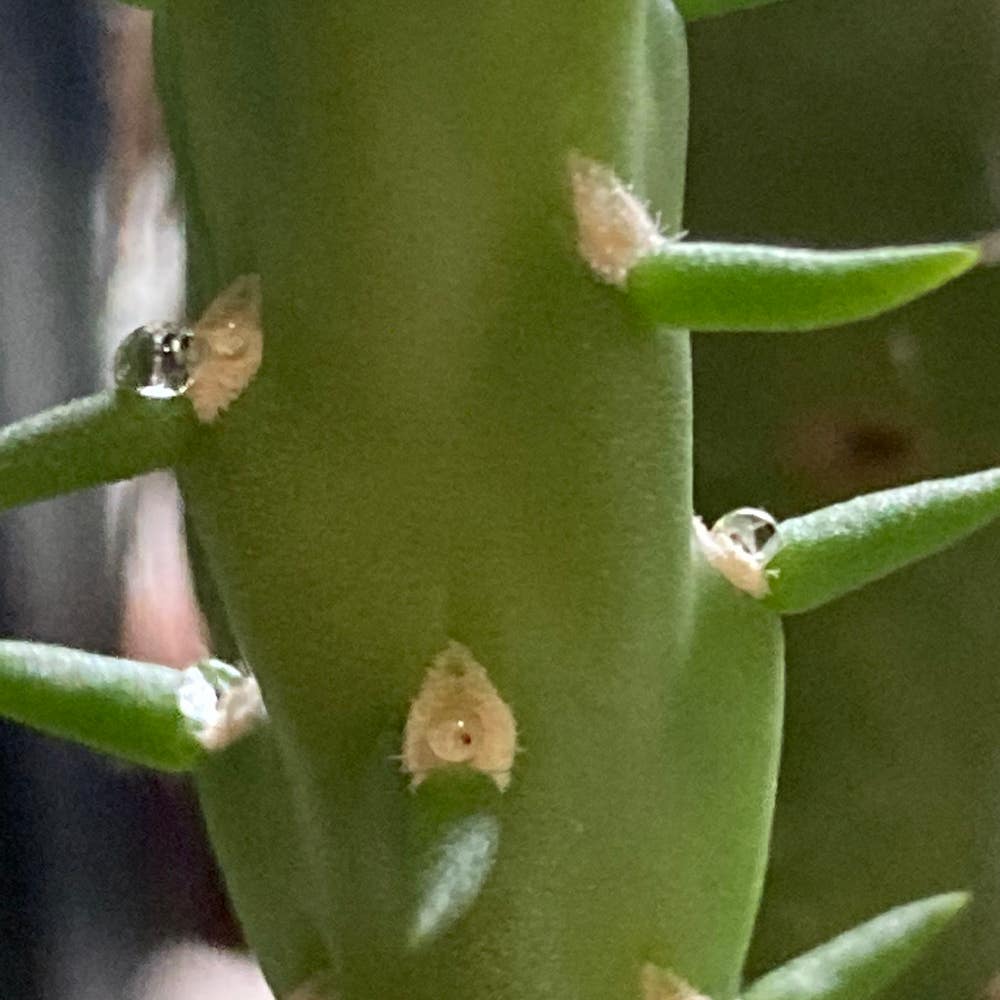
Seedlings typically stand at a height of 1-3 inches. They feature small pads adorned with spines, and a vibrant green color indicates their health.
Root development 🌍
The root system of seedlings is shallow yet extensive. This design allows them to efficiently absorb moisture from the surrounding soil.
Importance of healthy seedlings 💪
Healthy seedlings are crucial for the future growth of the plant. Their robust structure sets the foundation for a thriving Sonoran Jumping Cholla.
As seedlings mature, they prepare to enter the vegetative growth stage, where they will undergo significant changes in size and structure. This transition is essential for the plant's long-term survival and development.
Vegetative Growth Stage
Duration of vegetative growth 🌱
The vegetative growth stage of the Sonoran Jumping Cholla lasts between 2 to 5 years. This duration largely hinges on environmental conditions, such as temperature and moisture levels.
Changes in appearance and structure 🌵
During this stage, you'll notice the growth of new pads, which develop a more segmented structure.
As the plant matures, it can reach impressive heights of 3 to 4 feet.
Adaptations for survival 🦎
To thrive in its environment, the Sonoran Jumping Cholla undergoes several adaptations. Its skin thickens to minimize water loss, a crucial feature in arid climates.
Additionally, the density of its spines increases, providing extra protection against herbivores and harsh weather.
These adaptations not only enhance survival but also contribute to the plant's unique beauty.
In summary, the vegetative growth stage is a transformative period that sets the foundation for future flowering and seed production.
Next, we will explore the exciting process of flowering and seed production, where the Cholla truly showcases its vibrant character.
Flowering and Seed Production
Timing of Flowering 🌸
The Sonoran Jumping Cholla typically blooms from late spring to early summer, specifically between April and June. This flowering period is influenced by environmental factors like temperature and moisture levels, which play a crucial role in triggering the blooming process.
Description of Flowers and Pollination 🐝
The flowers of the Sonoran Jumping Cholla are striking, ranging in color from yellow to pink and measuring about 2-3 inches in diameter. Pollination is primarily carried out by bees and other insects, although self-pollination is also a possibility, ensuring the plant's reproductive success.
Duration and Process of Seed Production ⏳
After flowering, the fruit development takes about 1-2 months. During this time, the plant focuses on producing seeds, which are later dispersed through wind and animal interaction, allowing for new growth in various locations.
Factors Influencing Seed Viability 🌱
Seed viability is affected by several environmental conditions, including soil quality, moisture, and temperature. Additionally, genetic factors such as the health of the parent plant and the success of pollination also play a significant role in determining the potential for successful seed development.
Understanding the flowering and seed production stages of the Sonoran Jumping Cholla not only highlights its resilience but also emphasizes the intricate relationships within its ecosystem. As we move forward, let’s explore the notable changes and growth rate of this fascinating plant.
Notable Changes and Growth Rate
🌱 Physical Changes at Each Growth Stage
The life cycle of the Sonoran Jumping Cholla is marked by distinct physical changes.
Germination: This stage begins with the emergence of the first pads, signaling the plant's initial growth.
Seedling: As seedlings develop, they grow small spines and establish a shallow yet extensive root system.
Vegetative: During vegetative growth, the pads increase in size and the plant heightens, showcasing its robust development.
Flowering: The appearance of vibrant flowers adds a splash of color, marking a significant milestone in the plant's life.
Seed Production: Finally, the plant develops fruit and seeds, completing the cycle of growth.
⏳ Growth Rate and Maturation Time
The journey to full maturity for a Sonoran Jumping Cholla takes time.
Full Maturity Timeline: Expect approximately 5-10 years for optimal growth.
Size at Maturity: Mature plants can reach impressive heights of 3-6 feet, showcasing their resilience and adaptability.
🌵 Adaptations to Environmental Conditions
These cacti are marvels of adaptation, thriving in challenging environments.
Water Conservation: Their thickened skin helps reduce water loss, a crucial feature for survival in arid conditions.
Temperature Tolerance: They can withstand extreme heat and cold, making them incredibly resilient.
👵 Impact of Age on Reproductive Capabilities
Age plays a significant role in the reproductive success of the Sonoran Jumping Cholla.
Young Plants: In their early years, these plants have limited reproductive capacity, focusing primarily on vegetative growth.
Mature Plants: As they age, they increase their flowering and seed production, contributing significantly to their reproductive cycle.
Understanding these stages and adaptations not only highlights the resilience of the Sonoran Jumping Cholla but also prepares you for the next topic: the fascinating world of flowering and seed production.
⚠️ Safety First
This content is for general information and may contain errors, omissions, or outdated details. It is not medical, veterinary advice, or an endorsement of therapeutic claims.
Always consult a qualified healthcare professional before using any plant as food, medicine, or supplement.
Never eat any plant (or feed one to pets) without confirming its identity with at least two trusted sources.
If you suspect poisoning, call Poison Control (800) 222-1222, the Pet Poison Helpline (800) 213-6680, or your local emergency service immediately.
Spotted an error? Please report it here.
Nurture your Sonoran Jumping Cholla to thrive beautifully 🌵 with Greg's tailored care reminders that guide you through each growth stage!