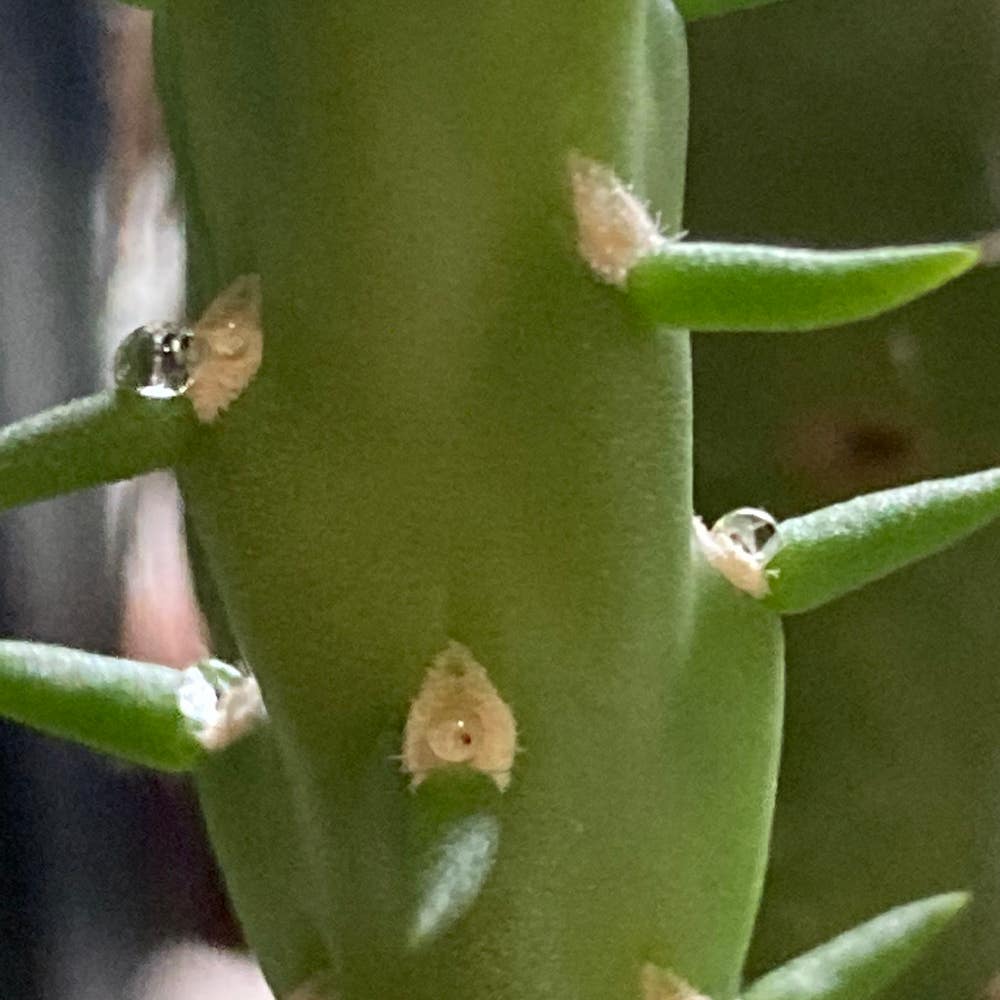
🌞 Is Direct Sunlight Good for My Sonoran Jumping Cholla?
Cylindropuntia fulgida
By the Greg Editorial Team
Mar 13, 2024•4 min read
This article was created with the help of AI so we can cover more plants for you. May contain errors. See one? Report it here.
- ☀️ Direct sunlight is crucial for at least six hours daily for Sonoran Jumping Cholla.
- 🌵 Monitor for sunburn or stretching to adjust your Cholla's sun exposure.
- Seasonal and directional adjustments ensure optimal light for your cactus.
Sunlight and the Sonoran Jumping Cholla: A Love Story?
Sunbeam spotlight or subtle shade? The Sonoran Jumping Cholla is a desert dweller, thriving in environments where the sun reigns supreme. In its natural habitat, this spiky cactus basks in full glory under the relentless desert sun, soaking up six hours or more of direct light each day.
☀️ When Too Much Sun is a Bad Thing
Sunburned cacti are a thing. If your Cholla sports brown, crispy patches, it's waving a red flag at you. On the flip side, a sun-starved Cholla might stretch out, lean, and look more desperate than a tourist on a cloudy beach day. Keep an eye out for these signs to gauge whether your green buddy is getting too much or too little of those golden rays.
Positioning Your Cholla for Prime Sunlight
Navigating the sunlight needs of your Sonoran Jumping Cholla isn't just about finding a sunny spot. It's about understanding the direction your windows face and how that interacts with your hemisphere.
🌞 The Best Window Directions for Your Prickly Friend
East-facing windows offer a gentle morning light, easing your Cholla into the day without overwhelming it. West-facing windows might be too intense with their afternoon blaze, risking a sunburn for your spiky companion. North-facing windows provide a consistent, but modest light, while south-facing windows in the Northern Hemisphere are like a spotlight, potentially too harsh for your desert dweller.
Hemisphere Hints: Adjusting Care Based on Your Global Address
Your global position flips the script on plant care. In the Northern Hemisphere, south-facing windows are the VIP lounge for your cactus, but if you're in the Southern Hemisphere, aim for north-facing to hit that sunlight sweet spot.
Seasonal Sun Shifts
Seasons change, and so does the sun's angle and intensity. Your Cholla's perfect sunbathing spot might need a seasonal shuffle.
🌞 Adapting to the Changing Angles and Intensity Through the Seasons
In summer, protect your Cholla from the midday sun, which can be as scorching as a desert at high noon. Consider pulling it back from the window or using a sheer curtain as a sun shield. During winter, when the sun is a no-show at the solar party, move your Cholla closer to the window to catch those weak rays. Rotate your plant occasionally to prevent it from leaning towards the light, avoiding a Cholla version of the Leaning Tower of Pisa. If your windows don't bring in enough light, a grow light can be your ace in the hole, just don't overdo it—think sun-kissed, not sun-slapped.
Protecting Your Cholla from the Scorching Sun
Recognizing when your Sonoran Jumping Cholla is getting too much sun is crucial. Symptoms include discoloration and dry, brittle patches on the skin. These are clear distress signals that your cactus is waving a white flag at the relentless sun.
🌞 Creating a Sun-Safe Haven
Shade cloth is the Cholla's knight in shining armor against harsh sunlight. It's like sunscreen for your spiky buddy. Alternatively, a well-placed umbrella can serve as a protective shield during the peak hours of solar intensity. Remember, it's about moderation; your Cholla still needs its sun-kissed moments, just not the midday blaze.
👀 Monitoring and Adjusting Sun Exposure
Keep a watchful eye on your Cholla's color and growth. Changes can indicate it's time to shuffle the plant to a more suitable spot. Like a game of musical chairs, when the sun's intensity cranks up, it's time to find your Cholla a less exposed seat.
📅 When to Move Your Plant
Adjust your plant's position with the changing seasons. As the sun's angle shifts, so should your Cholla's location. It's not about being fickle; it's about being attentive to your plant's needs. Keep it simple: if your Cholla looks like it's had too much fun in the sun, scoot it to a shadier locale.
⚠️ Safety First
This content is for general information and may contain errors, omissions, or outdated details. It is not medical, veterinary advice, or an endorsement of therapeutic claims.
Always consult a qualified healthcare professional before using any plant as food, medicine, or supplement.
Never eat any plant (or feed one to pets) without confirming its identity with at least two trusted sources.
If you suspect poisoning, call Poison Control (800) 222-1222, the Pet Poison Helpline (800) 213-6680, or your local emergency service immediately.
Spotted an error? Please report it here.
Ensure your Sonoran Jumping Cholla flourishes 🌞 with Greg's personalized sunlight tracking and season-adjusted positioning tips!