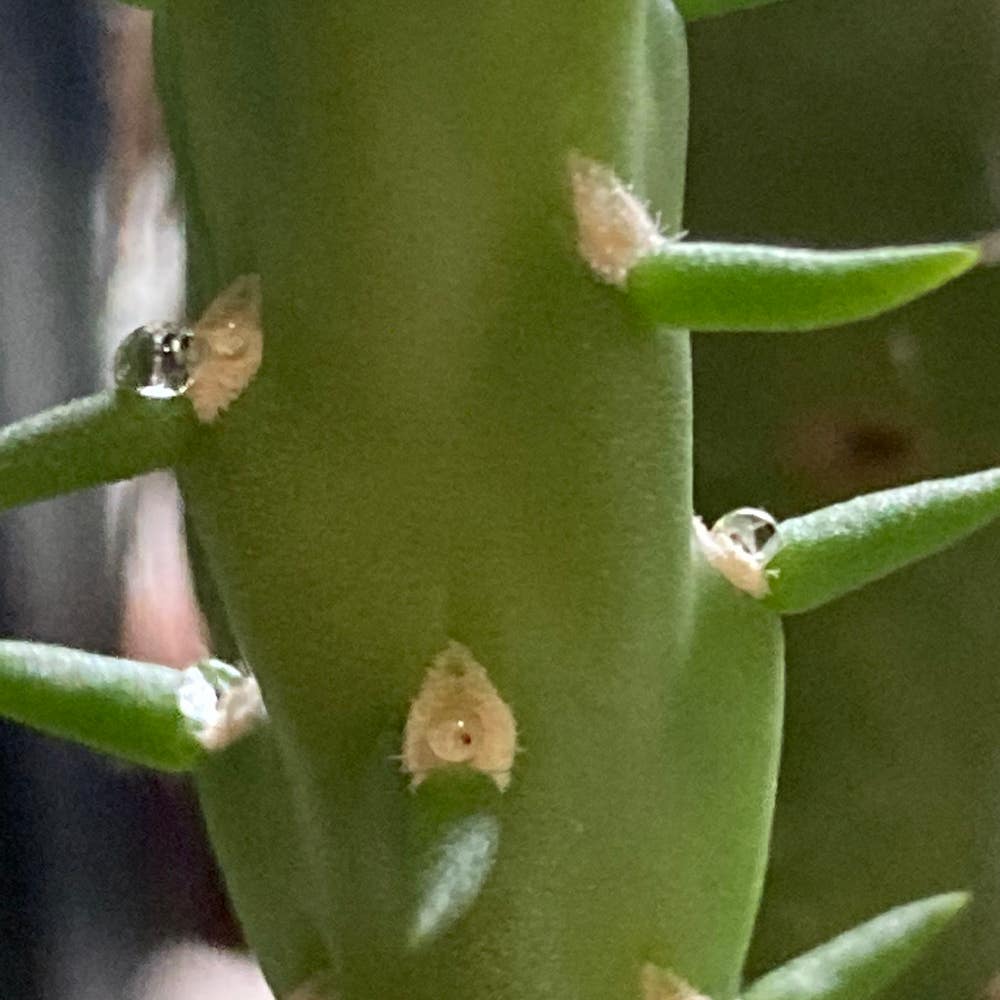
🌵 Managing Leaf Drop on Your Chain-Link Cholla
Cylindropuntia fulgida
By the Greg Editorial Team
Sep 28, 2024•5 min read
This article was created with the help of AI so we can cover more plants for you. May contain errors. See one? Report it here.
- 🌵 Watch for stress signs like wilting leaves and color changes in your Cholla.
- 💧 Infrequent watering is key; let soil dry out to prevent root rot.
- ☀️ Bright, south-facing spots ensure optimal sunlight for healthy growth.
Diagnosing Leaf Drop Issues
Identifying Symptoms of Stress 🌱
When your Chain-Link Cholla shows signs of distress, it’s essential to recognize the visual indicators. Look for color changes, unusual leaf texture, and overall plant vigor to assess its health.
Behavioral signs also play a crucial role. If you notice slow growth, wilting, or drooping leaves, these could be red flags indicating your plant needs attention.
Assessing Watering Practices 💧
Understanding the frequency of watering is vital for your Chain-Link Cholla. Generally, these plants thrive with infrequent watering, allowing the soil to dry out between sessions.
To check soil moisture, employ simple techniques like the finger test or use a moisture meter. Both methods help you gauge when your plant is ready for a drink.
Evaluating Soil Conditions 🏺
The right soil composition is critical for your Cholla's health. A sandy, well-draining mix is essential to prevent root rot and promote growth.
Keep an eye out for signs of soil compaction. If you notice difficulty in water absorption or a hard soil surface, it may be time to reconsider your soil mix.
By diagnosing these issues early, you can take proactive steps to ensure your Chain-Link Cholla thrives. Next, let’s explore how to prevent leaf drop effectively.
Preventing Leaf Drop
💧 Optimal Watering Techniques
To keep your Chain-Link Cholla thriving, establish a watering schedule that allows the soil to dry out between waterings. This prevents overwatering, which is a common cause of leaf drop.
When watering, opt for deep watering rather than surface watering. Deep watering encourages roots to grow downwards, promoting a healthier plant overall.
🪴 Soil Composition and Drainage
The ideal soil mix for your Chain-Link Cholla should consist of sand, perlite, and cactus soil. This combination ensures excellent drainage, which is crucial for preventing root rot.
Don't overlook the importance of drainage holes in your pots. These holes help prevent water accumulation, allowing excess moisture to escape and keeping your plant's roots happy.
☀️ Ideal Sunlight Exposure
Position your Chain-Link Cholla in the best locations for optimal sunlight, such as south-facing windows or outdoor spots that receive plenty of light. This exposure is vital for the plant's overall health and vigor.
As seasons change, be ready to adjust your plant's location. Moving it to optimize light exposure can make a significant difference in maintaining its health throughout the year.
By implementing these preventive measures, you can significantly reduce the risk of leaf drop in your Chain-Link Cholla. Next, let's explore effective treatment options if leaf drop does occur.
Treating Leaf Drop
Immediate Actions to Take 🌊
When you notice leaf drop on your Chain-Link Cholla, the first step is to adjust your watering practices. If you suspect overwatering, reduce the frequency to allow the soil to dry out.
Next, inspect your plant for pests. Look closely at the leaves and stems to identify any affected areas that may need immediate attention.
Long-Term Care Strategies 📅
Regular monitoring is crucial for maintaining your plant's health. Aim for weekly checks to catch any signs of stress early.
Additionally, establish a fertilization schedule. Use cactus-specific fertilizers during the growing season to provide essential nutrients.
Pest Management Solutions 🐞
Common pests that affect Chain-Link Cholla include scale insects and mealybugs. Keep an eye out for these invaders, as they can significantly impact your plant's health.
For control methods, consider using neem oil or insecticidal soap. Natural predators can also be effective in managing pest populations without harming your plant.
By implementing these strategies, you can effectively treat leaf drop and promote a thriving Chain-Link Cholla. Next, let’s explore seasonal considerations to ensure your plant remains healthy year-round.
Seasonal Considerations
🌱 Seasonal Changes and Their Impact on Leaf Health
As the seasons shift, so do the needs of your Chain-Link Cholla. In spring and summer, these vibrant plants thrive with increased watering and fertilization.
During these warmer months, aim to water more frequently, allowing the soil to dry out between sessions. Fertilization should also ramp up, providing essential nutrients to support growth.
In contrast, fall and winter call for a more cautious approach. Reduce watering to prevent root rot, and keep an eye on temperature fluctuations that could stress your plant.
📅 Adjusting Care Routines Throughout the Year
To keep your Chain-Link Cholla healthy year-round, consider implementing seasonal checklists. Monthly care tasks can help ensure your plant receives the attention it needs.
For instance, in spring, focus on repotting and fertilizing, while in winter, prioritize monitoring for pests and adjusting watering schedules.
Additionally, be prepared for extreme weather events. Protect your Cholla from frost by bringing it indoors or covering it, and shield it from excessive heat by providing shade during the hottest days.
By adapting your care routine to the changing seasons, you can maintain a thriving Chain-Link Cholla that flourishes throughout the year. This proactive approach not only enhances plant health but also enriches your gardening experience.
Next, let’s explore effective strategies for treating leaf drop when it occurs.
⚠️ Safety First
This content is for general information and may contain errors, omissions, or outdated details. It is not medical, veterinary advice, or an endorsement of therapeutic claims.
Always consult a qualified healthcare professional before using any plant as food, medicine, or supplement.
Never eat any plant (or feed one to pets) without confirming its identity with at least two trusted sources.
If you suspect poisoning, call Poison Control (800) 222-1222, the Pet Poison Helpline (800) 213-6680, or your local emergency service immediately.
Spotted an error? Please report it here.
Keep your Chain-Link Cholla thriving 🌵 by using Greg's personalized watering alerts and expert care tips to prevent leaf drop and ensure vibrant growth all year round!