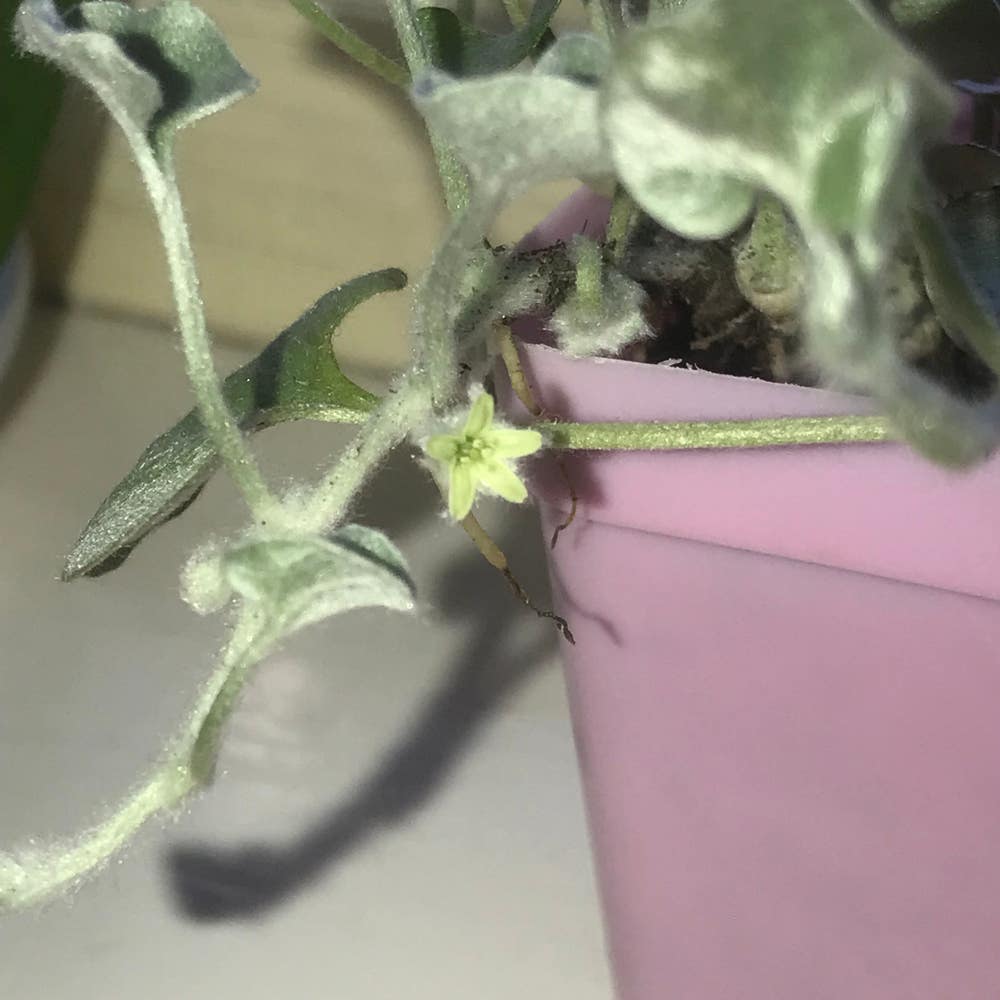
5 Winter Care Mistakes to Avoid with Silver Falls Dichondra ❄️
Dichondra argentea 'Silver Falls'
By the Greg Editorial Team
Oct 12, 2024•5 min read
This article was created with the help of AI so we can cover more plants for you. May contain errors. See one? Report it here.
Master winter care for your Silver Falls Dichondra to ensure a lush, thriving spring! 🌱❄️
- ❄️ Protect Silver Falls Dichondra from frost using covers before the first frost hits.
- 💧 Water less in winter; only when the top inch of soil is dry.
- 🌱 Avoid fertilizing in winter to prevent nutrient burn; resume in early spring.
Winter Care Practices
Importance of Frost Protection ❄️
Frost can wreak havoc on Silver Falls Dichondra, damaging both foliage and roots. Protecting your plants from frost is crucial to ensure they thrive through the winter months.
To shield your plants, consider using covers, blankets, or frost cloths. These materials create a barrier against the cold, helping to maintain warmth around the plants.
Timing is key when it comes to frost protection. Implement these measures before the first frost and during any unexpected cold snaps to safeguard your plants effectively.
Adjusting Watering Schedules During Winter 💧
During winter, Silver Falls Dichondra enters a dormant phase, meaning its watering needs decrease significantly. It's essential to adjust your watering schedule accordingly to prevent overwatering.
Look out for signs of overwatering, such as yellowing leaves or root rot. A good rule of thumb is to water only when the top inch of soil feels dry to the touch.
Modifying Fertilizing Practices for Winter Months 🌱
Reducing fertilization during winter is vital to prevent nutrient burn while your plants are dormant. Over-fertilizing can stress your Silver Falls Dichondra, hindering its recovery come spring.
It's best to refrain from fertilizing during the winter months and resume in early spring. When the time comes, opt for balanced NPK fertilizers to support healthy growth.
Indoor Care Considerations for Silver Falls Dichondra 🏠
If you live in an area with severe winter conditions, consider bringing your Silver Falls Dichondra indoors. This can help protect it from harsh elements and ensure its survival.
Indoors, aim for bright, indirect light and moderate humidity to create an ideal environment. Adjust your watering and fertilizing practices similarly to outdoor care, but keep a close eye on moisture levels to avoid any mishaps.
Transitioning into spring care will be much smoother with these winter practices in place. By ensuring your Silver Falls Dichondra is well-cared for during the colder months, you'll set the stage for vibrant growth as temperatures rise.
Protection from Winter Elements
🥶 Techniques for shielding from frost
Frost can be a sneaky enemy for your Silver Falls Dichondra. To protect your plants, consider using frost cloths, which are lightweight and breathable, allowing moisture to escape while keeping the cold at bay.
Creating barriers is another effective method. Use stakes and frames to hold the coverings above your plants, ensuring they have enough space to breathe. Timing is crucial; cover your plants before sunset on cold nights to maximize protection.
🌿 Best practices for mulching and covering plants
When it comes to mulching, organic materials like straw or shredded leaves are your best friends. These not only insulate the roots but also help retain moisture, keeping your plants hydrated during dry spells.
Applying mulch is simple. Layer it around the base of the plant, but be careful not to smother it. This practice not only protects your Silver Falls Dichondra but also promotes healthier growth as spring approaches.
As you prepare for the transition to spring, remember that these protective measures will set your plants up for success. With the right care, your Silver Falls Dichondra will thrive once the warmer weather arrives.
Recovery from Winter Damage
🌨️ Signs of winter damage in Silver Falls Dichondra
Identifying winter damage early is crucial for recovery. Look for visual indicators such as browning leaves, wilting, or mushy stems.
Assessing root health is equally important. Check for firmness and color, as healthy roots should feel solid and appear light in color.
⏰ Timing for assessment
The best time to assess your Silver Falls Dichondra is late winter to early spring. This timing allows you to catch any damage before the growing season begins.
🛠️ Steps for assessing and treating damaged plants
- Inspect foliage and stems for damage. Look closely for any signs of distress.
- Prune away dead or damaged parts. Use clean, sharp tools to avoid introducing disease.
- Monitor soil moisture. Adjust watering as needed to promote recovery; overwatering can hinder healing.
- Fertilize lightly in spring. A gentle boost can encourage new growth as the plant awakens.
By following these steps, you can help your Silver Falls Dichondra bounce back from winter's harshness. With a little care, your plants will thrive as spring approaches.
Spring Preparation
Preparing Silver Falls Dichondra for Spring Growth 🌱
As winter fades, it's time to give your Silver Falls Dichondra some much-needed attention. Start by cleaning up debris; removing dead leaves and old mulch helps prevent pests and diseases.
Next, assess the plant's health. Look for signs of new growth, which indicate that your plant is ready to thrive again. Early spring is the perfect time for this preparation, as temperatures begin to rise.
Transitioning Care from Winter to Spring 🌞
With warmer temperatures, gradually increase your watering frequency. Silver Falls Dichondra will need more moisture as it wakes up from dormancy.
Resuming fertilization is also crucial. Use a balanced NPK fertilizer, applying it in early spring to support new growth. Finally, adjust light exposure by ensuring your plant gets adequate sunlight as the days lengthen. This transition sets the stage for a vibrant growing season ahead.
⚠️ Safety First
This content is for general information and may contain errors, omissions, or outdated details. It is not medical, veterinary advice, or an endorsement of therapeutic claims.
Always consult a qualified healthcare professional before using any plant as food, medicine, or supplement.
Never eat any plant (or feed one to pets) without confirming its identity with at least two trusted sources.
If you suspect poisoning, call Poison Control (800) 222-1222, the Pet Poison Helpline (800) 213-6680, or your local emergency service immediately.
Spotted an error? Please report it here.
Keep your Silver Falls Dichondra thriving 🌱 this winter by avoiding common mistakes, and let Greg guide you with tailored watering reminders and expert tips for a vibrant spring ahead!