Attracting Pollinators to Your Paphiopedilum 'Maudiae Femma' 🐝
Paphiopedilum 'Maudiae Femma'
By the Greg Editorial Team
Oct 02, 2024•6 min read
This article was created with the help of AI so we can cover more plants for you. May contain errors. See one? Report it here.
- 🌸 Paphiopedilum 'Maudiae Femma' attracts bees, butterflies, and hummingbirds with its vibrant flowers.
- 🌙 Moths ensure nighttime pollination, keeping the flower thriving even after dark.
- 🌿 Create a pollinator-friendly garden by planting natives and avoiding harmful pesticides.
Flower Structure
🌸 Description of Flower Parts
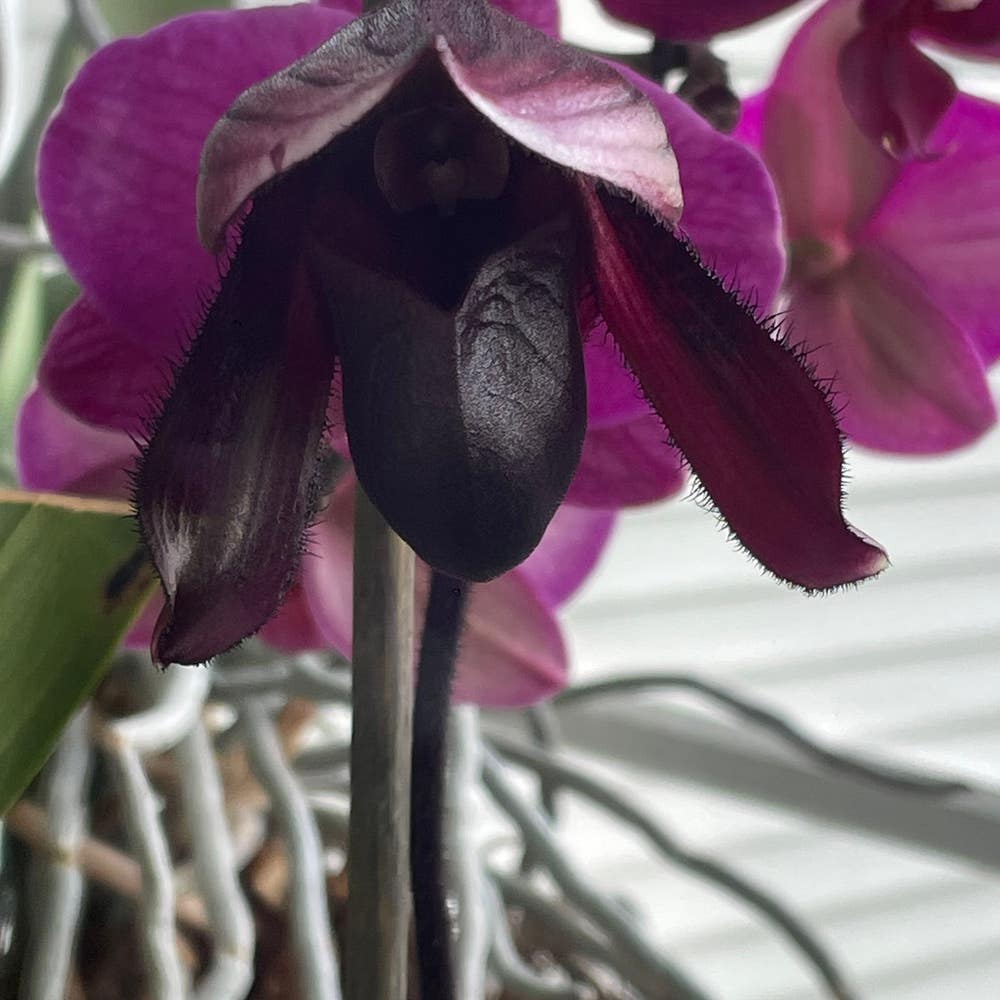
The Paphiopedilum 'Maudiae Femma' showcases a unique slipper-shaped flower, often adorned with mottled or patterned petals. This distinctive shape not only captivates the eye but also plays a crucial role in attracting pollinators.
The sepals are arranged in a way that enhances their visual appeal, featuring vibrant colors that draw in various pollinators. Meanwhile, the stamens are strategically positioned to maximize pollen production, ensuring that pollinators encounter them during their visits.
The pistils, essential for receiving pollen, are designed to facilitate successful fertilization. Their structure allows for efficient pollen capture, which is vital for the plant's reproductive success.
🐝 How Structure Facilitates Pollination
The flower's adaptations are finely tuned to attract specific pollinator species. Visual cues, such as color and pattern, combined with enticing scents, create a welcoming environment for bees, butterflies, and other pollinators.
Effective pollen transfer is promoted through the flower's design. The arrangement of flower parts ensures that when a pollinator lands, it brushes against the stamens, picking up pollen to carry to another flower.
This intricate structure is essential for cross-pollination success. By attracting a diverse range of pollinators, the Paphiopedilum 'Maudiae Femma' enhances its genetic diversity, leading to healthier and more resilient offspring.
In summary, understanding the flower structure is key to appreciating how it facilitates pollination. This knowledge sets the stage for exploring the natural pollinators that play a vital role in the life cycle of this beautiful orchid.
Natural Pollination
🐝 Primary Pollinators
Pollinators play a crucial role in the life cycle of Paphiopedilum 'Maudiae Femma.'
Bees are among the most effective pollinators, drawn to the flower's unique structure and scent. Their fuzzy bodies collect pollen as they navigate the slipper-shaped blooms.
Butterflies also contribute significantly to pollination. They are attracted to the vibrant colors and patterns, sipping nectar while transferring pollen from one flower to another.
Moths have their own special role, particularly at night. Their nocturnal habits allow them to pollinate when other pollinators are inactive, making them essential for nighttime blooms.
Hummingbirds are captivated by bright colors and sweet nectar. Their rapid movements and long beaks facilitate pollen transfer as they flit from flower to flower.
🌬️ Pollen Transfer Mechanisms
Understanding how pollen transfer occurs is vital for successful pollination.
Natural processes involve the physical movement of pollen from the male parts of the flower to the female parts. This can happen through direct contact with pollinators or via wind.
Environmental conditions significantly impact pollination success. Ideal temperature and humidity levels create a conducive atmosphere for pollinators to thrive and perform their roles effectively.
Pollinator behavior is equally important. As they visit multiple flowers, they enhance genetic diversity in orchids, leading to healthier and more resilient plants.
By fostering a thriving ecosystem, you can ensure that your Paphiopedilum 'Maudiae Femma' receives the attention it needs from these vital pollinators.
Next, we’ll explore how to support these pollinators and create an inviting environment for them.
Hand Pollination
Hand pollination can be a rewarding way to ensure the success of your Paphiopedilum 'Maudiae Femma.' This method is especially useful when natural pollinators are scarce or when you want to control the breeding process.
📝 Step-by-Step Instructions
Gather materials: You’ll need a fine brush or cotton swab and a sterile container for pollen collection.
Identify male flower parts: Look for the anther, which holds the pollen. This is typically located at the tip of the stamen.
Collect pollen: Gently brush the anther with your fine brush or cotton swab to gather the pollen. Be careful not to damage the flower.
Identify female flower parts: Locate the stigma, which is the receptive part of the pistil. It’s usually sticky and positioned to catch pollen.
Transfer pollen: Apply the collected pollen directly onto the stigma. Ensure good contact for effective fertilization.
Monitor for signs of successful fertilization: Look for changes in the flower, such as wilting or the development of seed pods, which indicate that fertilization has occurred.
🔍 Identifying Male and Female Parts
Understanding the flower's anatomy is crucial for successful hand pollination.
Male Parts (Stamens): These consist of the anther and filament. The anther produces pollen, while the filament supports it.
Female Parts (Pistils): The stigma is the sticky surface that captures pollen, while the style connects it to the ovary, where fertilization occurs.
Visual cues can help you identify these parts easily. The anther is often brightly colored, while the stigma may appear shiny and wet, signaling its readiness to receive pollen.
Hand pollination not only enhances your chances of successful fertilization but also deepens your connection with these beautiful orchids. As you become more familiar with their structures, you’ll appreciate the intricate dance of nature even more.
Next, let's explore how to support pollinators in your garden to create a thriving environment for your Paphiopedilum 'Maudiae Femma.'
Supporting Pollinators
🌼 Creating a Pollinator-Friendly Environment
To attract pollinators to your Paphiopedilum 'Maudiae Femma', start by planting native species. Native plants are naturally appealing to local pollinators, providing them with the food and habitat they need.
Next, ensure there are water sources nearby. A small birdbath or shallow dish can offer essential hydration for bees and butterflies. Additionally, consider adding shelter, such as native shrubs or grasses, to create a safe haven for these vital creatures.
Maintaining a chemical-free garden is crucial. Pesticides can harm pollinators, so opt for organic gardening practices to protect these essential allies.
🌱 Companion Plants
Choosing the right companion plants can enhance your garden's appeal to pollinators. Consider planting species like lavender, coneflower, or bee balm, which are known to attract beneficial insects.
Biodiversity plays a significant role in pollination success. A variety of plants not only provides food sources but also creates a more inviting environment for different pollinator species. This diversity can lead to improved pollination rates for your orchids.
By fostering a pollinator-friendly environment, you can ensure that your Paphiopedilum 'Maudiae Femma' thrives. This effort not only benefits your plants but also supports the broader ecosystem, creating a vibrant garden full of life.
As we explore the challenges of pollination next, consider how your efforts can mitigate obstacles and enhance the success of your flowering companions.
Pollination Challenges
Common Obstacles 🌪️
Pollination can be tricky for your Paphiopedilum 'Maudiae Femma'. Environmental factors like temperature fluctuations and humidity levels can disrupt the delicate balance needed for successful pollination.
Additionally, a lack of pollinator species nearby can hinder your plant's chances of reproduction. Competition from other flowering plants can also divert attention away from your orchids, making it harder for them to attract the right pollinators.
Solutions 🌼
Improving local pollinator populations is essential. You can start by planting native species that attract bees, butterflies, and other beneficial insects.
Adjusting care practices can also create optimal conditions for pollination. Ensure your orchids receive adequate light and moisture, as these factors significantly influence pollinator activity.
When natural pollination falls short, hand pollination serves as a reliable backup method. This technique allows you to take control and ensure your orchids get the attention they need for successful fertilization.
By addressing these challenges, you can enhance the chances of your Paphiopedilum 'Maudiae Femma' thriving in your garden. Next, let’s explore how to create a pollinator-friendly environment that supports these essential species.
⚠️ Safety First
This content is for general information and may contain errors, omissions, or outdated details. It is not medical, veterinary advice, or an endorsement of therapeutic claims.
Always consult a qualified healthcare professional before using any plant as food, medicine, or supplement.
Never eat any plant (or feed one to pets) without confirming its identity with at least two trusted sources.
If you suspect poisoning, call Poison Control (800) 222-1222, the Pet Poison Helpline (800) 213-6680, or your local emergency service immediately.
Spotted an error? Please report it here.
Enhance your Paphiopedilum 'Maudiae Femma' pollination success 🌸 by using Greg's tailored care plans to create a thriving environment that attracts all the right pollinators!