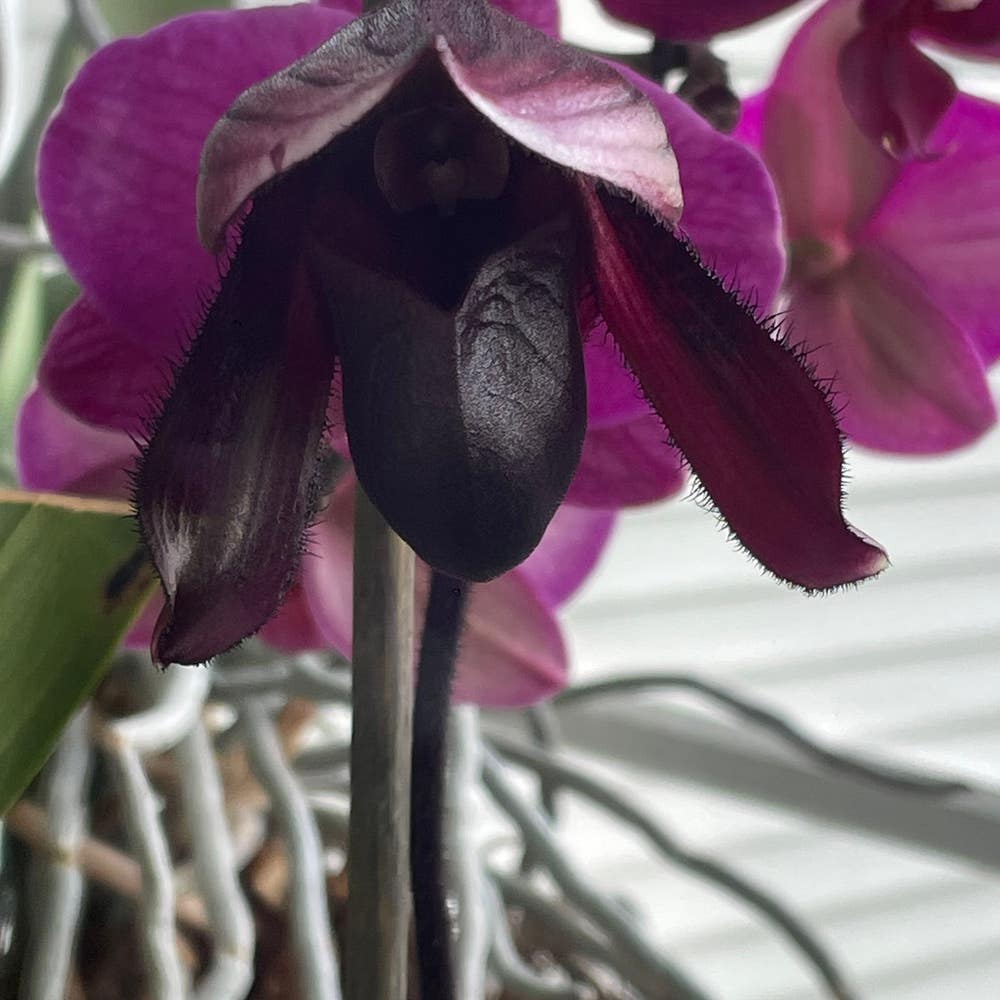
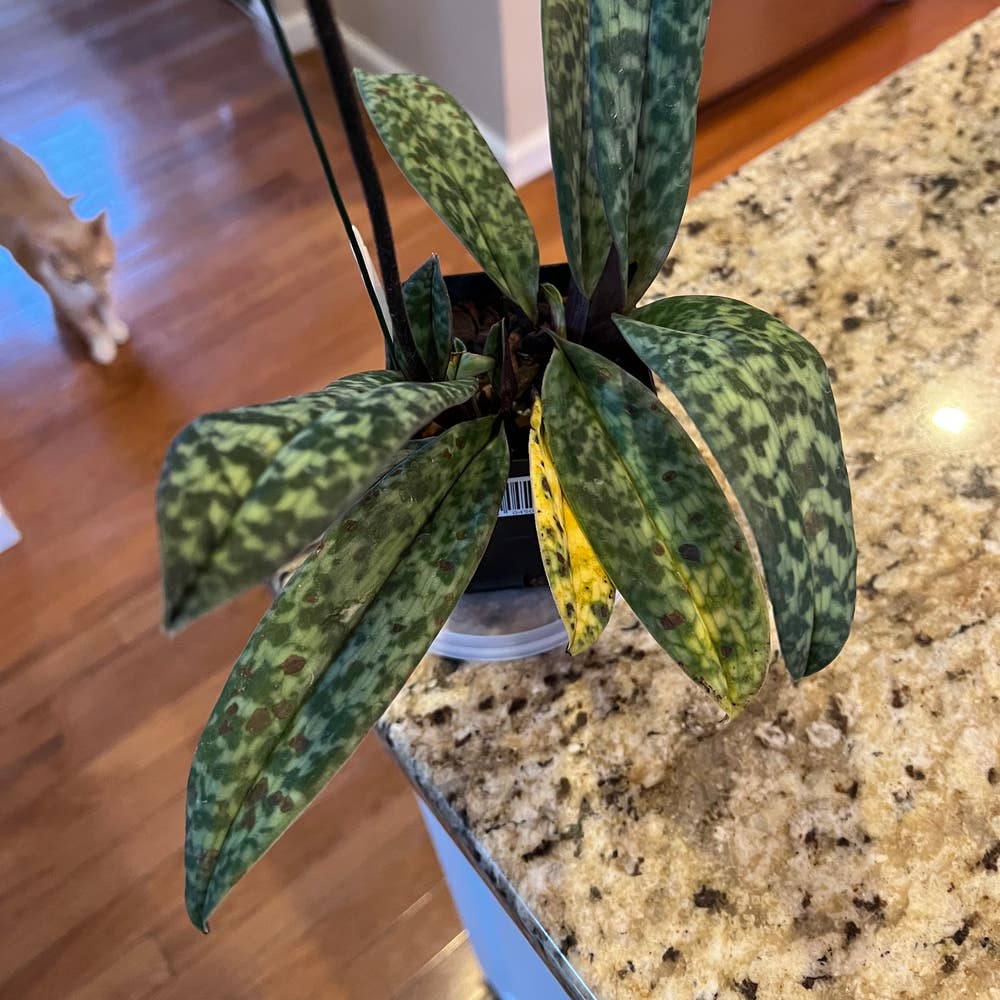
What To Do About Bugs on My Paphiopedilum 'Maudiae Femma'? 🐛
Paphiopedilum 'Maudiae Femma'
By the Greg Editorial Team
Mar 06, 2024•4 min read
This article was created with the help of AI so we can cover more plants for you. May contain errors. See one? Report it here.
- 🕷️ Spot spider mites by webbing and leaf dots; neem oil and soap treat them.
- 🐌 Scale insects hide as bumps; remove manually or with alcohol swabs.
- 🌱 Prevent pests with regular inspections, good hygiene, and dry soil.
Spotting and Squashing Spider Mites
🕷️ Identifying the Tiny Terrors
Spider mites are microscopic marauders, but their damage is all too visible. Look for webbing under leaves and stippling—tiny yellow or white dots where they've sucked the life out of your plant's cells.
🌿 Natural and Chemical Knockouts
Neem oil and insecticidal soap are your first line of defense. Apply with gusto, ensuring you hit the undersides of leaves where these pests love to party. For homemade solutions, mix a mild liquid soap with water and show those mites no mercy.
🛡️ Keeping Spider Mites at Bay
Prevention is about creating a hostile environment for mites. Humidity is your ally; regular misting can deter an infestation. Keep your 'Maudiae Femma' clean and check new plants for stowaways—quarantine if necessary.
Scale: Sticky Foes on Your 'Maudiae Femma'
🕵️ Unmasking the Camouflaged Culprits
Scale insects are the undercover agents of the plant world, blending in with the foliage of your Paphiopedilum 'Maudiae Femma'. They appear as waxy or shell-like bumps on leaves and stems. These pests are sap-suckers, leading to yellowing leaves and a sticky mess known as honeydew, which can attract sooty mold.
💣 Effective Eradication Tactics
Manual removal is your first line of defense. Get in there with your fingernails or a dull knife to scrape these critters off. For those who prefer a less hands-on approach, alcohol swabs are your ally—apply isopropyl alcohol with cotton to dissolve their waxy armor. If you're dealing with a full-on invasion, bring out the big guns: neem oil or insecticidal soap. Just remember, these treatments are like vampires; they prefer the cover of night to avoid harming your plant with sunburn.
🚫 Prevention is Better Than Cure
Regular plant inspections are non-negotiable. Make it a ritual, like your morning coffee, to check for early signs of scale. Keep your 'Maudiae Femma' clean and practice good hygiene to avoid giving these pests a home. Remember, prevention isn't just better, it's easier than cure.
Fungus Gnats and Fruit Flies: More Than Just a Nuisance
🪰 Catching the Flighty Pests
Fungus gnats and fruit flies can turn a thriving Paphiopedilum 'Maudiae Femma' into a pest party. Spot these invaders by their erratic flight near the soil or your overripe fruit bowl.
🛡️ Remedies That Really Work
Sticky traps are your first line of defense against adult gnats and flies. Deploy them near the soil to catch these pests in action. For larvae, beneficial nematodes are nature's hitmen, targeting the pests beneath the surface. A soil drench with a hydrogen peroxide mix can also cleanse the soil without harming your orchid.
🏜️ Drying Out the Problem
Overwatering is an open invitation for gnats. Let the soil dry out between waterings to discourage these moisture-loving pests. Regularly clear away plant debris and consider watering from the bottom to keep the topsoil dry. This stealthy move makes the soil less appealing for gnat larvae looking to crash your plant's root system.
Mealybugs: The White Woe of 'Maudiae Femma'
🐛 Spotting the Cottony Clusters
Spotting mealybugs on your 'Maudiae Femma' is a visual game: look for white, fluffy accumulations that seem out of place. These pests prefer the underside of leaves and crevices, so inspect these areas closely.
🚫 Wiping Out Mealybugs
Alcohol swabs are your precision strikers in this battle. For a wider attack, deploy insecticidal soap or neem oil, ensuring you reach into the orchid's nooks. If the infestation runs deep, consider a soil drench to target those hiding below the surface.
🕵️ Regular Checks for Peace of Mind
Incorporate regular inspections into your orchid care routine. Vigilance is key; catching these pests early can save you from a full-blown infestation. Keep an eye out for any sticky residue or ants, which can indicate a mealybug presence.
Other Unwelcome Guests: Aphids, Thrips, and Whiteflies
🐞 Quick ID Guide for Other Pests
Aphids are small but mighty in their destruction, often green or black and found in clusters on new growth. Thrips, meanwhile, are stealthy, leaving behind silvery streaks and black specks as evidence of their presence. Whiteflies, the tiny winged insects, reveal themselves in a cloud when the plant is disturbed.
🎯 Targeted Treatments for Each Pest
Aphids hate a good shower; a strong jet of water can knock them right off. Alternatively, a swab dipped in rubbing alcohol will send them packing. For thrips, consistency is key; regular applications of neem oil or insecticidal soap are your best bet. And whiteflies? They can't resist the allure of yellow sticky traps, but neem oil is also effective in showing them the door. Remember, these treatments should be orchid-safe to avoid harming your 'Maudiae Femma'.
⚠️ Safety First
This content is for general information and may contain errors, omissions, or outdated details. It is not medical, veterinary advice, or an endorsement of therapeutic claims.
Always consult a qualified healthcare professional before using any plant as food, medicine, or supplement.
Never eat any plant (or feed one to pets) without confirming its identity with at least two trusted sources.
If you suspect poisoning, call Poison Control (800) 222-1222, the Pet Poison Helpline (800) 213-6680, or your local emergency service immediately.
Spotted an error? Please report it here.
Banish pests from your Paphiopedilum 'Maudiae Femma' with ease 🌿 using Greg's personalized care plans and safe treatment reminders, ensuring your orchid stays healthy and vibrant.