🌸 4 Indoor Paphiopedilum 'Maudiae Femma' Care Dos and Don'ts
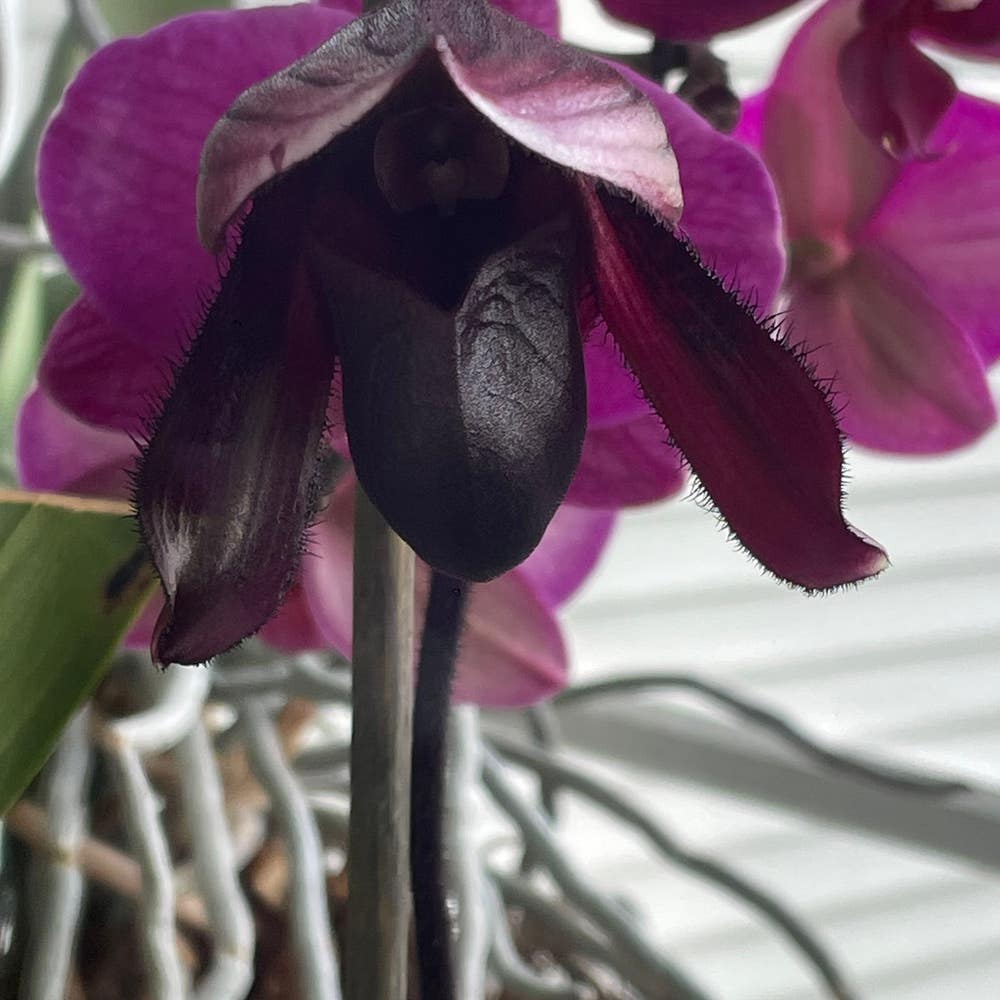
Paphiopedilum 'Maudiae Femma'
By the Greg Editorial Team
Oct 02, 2024•5 min read
This article was created with the help of AI so we can cover more plants for you. May contain errors. See one? Report it here.
- 🌞 Bright, indirect light is essential for Paphiopedilum 'Maudiae Femma' growth.
- 💧 Water every 7-10 days, allowing soil to dry to prevent root rot.
- 🌿 Maintain humidity between 50-70% for optimal orchid health and growth.
Light Requirements
Ideal Light Levels for Growth 🌞
For your Paphiopedilum 'Maudiae Femma', the ideal light is bright, indirect sunlight, ideally around 1000-2000 foot-candles. Insufficient light can lead to stunted growth, fewer blooms, and elongated stems, while excessive light may cause leaf burn, yellowing, and browning edges.
Role of Grow Lights 💡
Grow lights are essential for supplementing natural light, especially in low-light conditions. The best options are LED or fluorescent lights with a color temperature between 5000-6500K.
Placement of Grow Lights
Position your grow lights 12-18 inches above the plant. Adjust the height based on the light intensity to ensure your orchid thrives.
Understanding light requirements is crucial for the health of your Paphiopedilum. Next, let’s explore the watering needs to keep your plant hydrated and happy.
Watering Needs
Frequency and Method of Watering 🌊
Water your Paphiopedilum 'Maudiae Femma' every 7-10 days. It's crucial to let the top inch of soil dry out between waterings to prevent root rot.
For the best results, water thoroughly until it drains from the bottom. This method ensures that the roots receive adequate moisture without sitting in excess water.
Signs of Overwatering and Underwatering 🚨
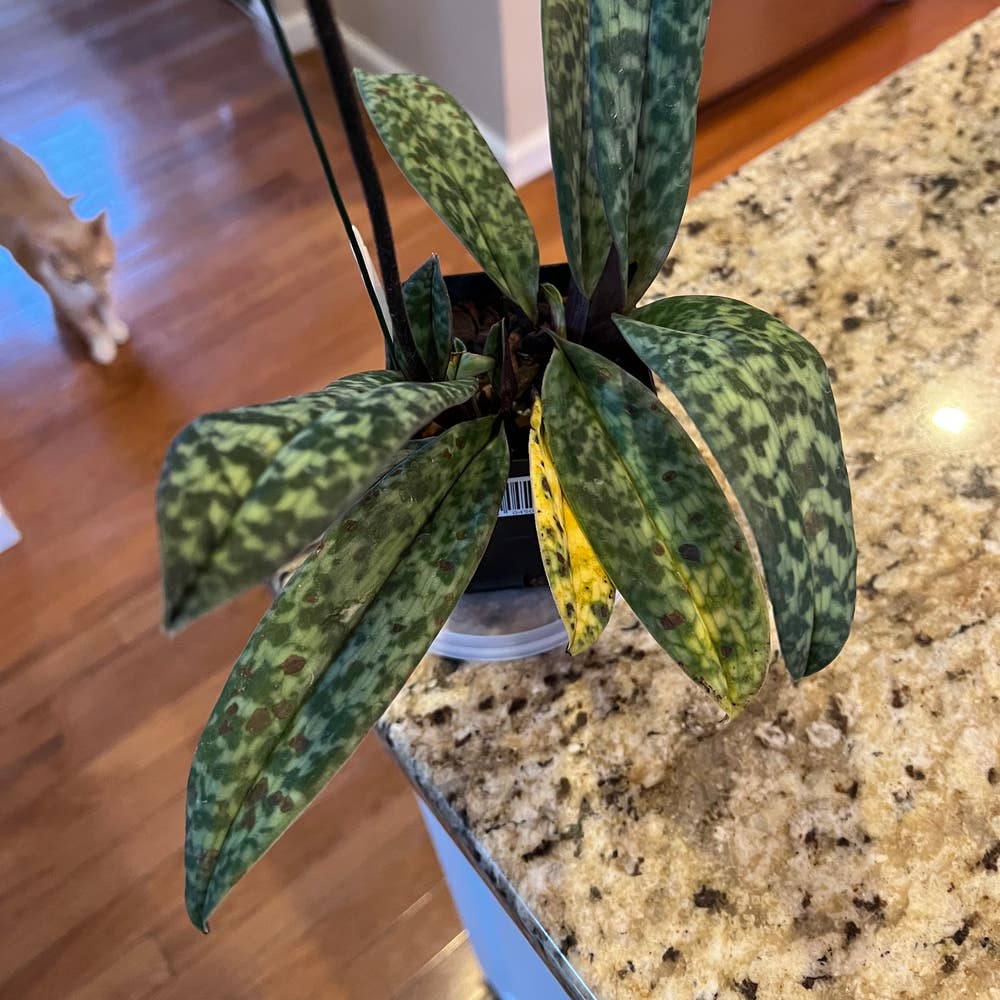
Overwatering can lead to yellowing leaves, mushy roots, and even mold growth on the soil surface. If you notice these signs, it’s time to reassess your watering routine.
On the flip side, underwatering manifests as wrinkled leaves, dry roots, and wilting blooms. Keep an eye on your plant to ensure it gets just the right amount of water.
Understanding these watering needs is essential for maintaining a healthy Paphiopedilum. With the right care, your orchid will thrive and reward you with beautiful blooms.
Next, let’s explore the optimal humidity and temperature conditions for your plant's growth.
Humidity and Temperature
Optimal Humidity Levels 🌧️
Maintaining the right humidity is crucial for your Paphiopedilum 'Maudiae Femma.' Aim for a humidity range of 50-70% to promote healthy growth.
To achieve this, consider using a humidity tray filled with water and pebbles, misting the leaves regularly, or investing in a humidifier. These methods help create a comfortable environment for your orchid, ensuring it thrives.
Temperature Range for Indoor Growth 🌡️
Temperature plays a significant role in the well-being of your plant. The optimal range is between 20°C to 25°C (68°F to 77°F) during the day, with slightly cooler temperatures at night.
Be mindful of temperature fluctuations. Keep your orchid away from drafts, heating vents, and air conditioning units to maintain a stable environment. This will help your plant flourish and produce beautiful blooms.
With the right humidity and temperature, your Paphiopedilum will be well on its way to thriving. Next, let’s explore the essential soil and fertilization needs to keep your orchid healthy.
Soil and Fertilization
🌱 Soil Type
Choosing the right soil mix is crucial for your Paphiopedilum 'Maudiae Femma'. A well-draining orchid mix, typically composed of bark, perlite, and sphagnum moss, is ideal.
Proper drainage prevents root rot and promotes healthy root development. This ensures your plant can absorb nutrients effectively without sitting in excess moisture.
🌿 Fertilization
When it comes to fertilization, a balanced orchid fertilizer with a ratio of 30-10-10 is highly recommended. Alternatively, a slow-release formula can also work wonders for your plant's growth.
During the growing season, fertilize every 2-4 weeks. As winter approaches, reduce the frequency to allow your plant to rest and rejuvenate.
By paying attention to soil and fertilization, you set the stage for vibrant blooms and robust growth. Next, let's explore how to tackle common issues and solutions for your Paphiopedilum.
Common Issues and Solutions
🐛 Pests and Diseases
Common Pests
Pests like aphids, mealybugs, and spider mites can wreak havoc on your Paphiopedilum 'Maudiae Femma'. Look for signs such as sticky residue, webbing, or discolored leaves to catch infestations early.
Prevention Methods
Regular inspections are key to maintaining plant health. Keep your orchid thriving by ensuring good air circulation and using insecticidal soap when necessary.
🚫 Prevention and Treatment Methods
For organic pest control, neem oil and insecticidal soap are effective choices. Early intervention is crucial; catching infestations before they spread can save your plant from significant damage.
🌪️ Environmental Stress
Signs of Stress and How to Address Them
Watch for symptoms like wilting, leaf drop, and poor blooming, which indicate your plant may be stressed.
Solutions
Adjusting light, humidity, and watering practices can help meet your plant's needs. Small changes can lead to healthier growth and more vibrant blooms.
By staying vigilant and responsive to these common issues, you can ensure your Paphiopedilum 'Maudiae Femma' thrives beautifully. Next, let’s explore the best placement and maintenance practices to keep your orchid looking its best.
Placement and Maintenance
Best Placement in the Home 🌅
Finding the right spot for your Paphiopedilum 'Maudiae Femma' is crucial for its growth. Aim for east or west-facing windows where it can enjoy filtered light.
Avoid placing your orchid near drafts. Keeping it away from open windows and doors during colder months helps maintain a stable environment.
Maintaining Appearance ✂️
Pruning and Grooming Tips
Regularly removing dead or yellowing leaves is essential. This simple act promotes healthy growth and keeps your plant looking its best.
Timing is key for pruning. Aim to do this after the blooming season to encourage fresh new growth.
Repotting Guidelines 🌱
Knowing when to repot is vital for your orchid's health. Plan to repot every 1-2 years or whenever the potting mix starts to break down.
The repotting process is straightforward. Gently remove the plant, clean the roots, and place it in fresh orchid mix, ensuring proper drainage for optimal health.
With the right placement and maintenance, your Paphiopedilum 'Maudiae Femma' will thrive, setting the stage for vibrant blooms. Next, let’s explore common issues and solutions to keep your orchid in top shape.
⚠️ Safety First
This content is for general information and may contain errors, omissions, or outdated details. It is not medical, veterinary advice, or an endorsement of therapeutic claims.
Always consult a qualified healthcare professional before using any plant as food, medicine, or supplement.
Never eat any plant (or feed one to pets) without confirming its identity with at least two trusted sources.
If you suspect poisoning, call Poison Control (800) 222-1222, the Pet Poison Helpline (800) 213-6680, or your local emergency service immediately.
Spotted an error? Please report it here.
Cultivate a thriving orchid oasis 🌺 by following these care tips and let Greg guide you with tailored watering reminders and light suggestions for your Paphiopedilum 'Maudiae Femma'!