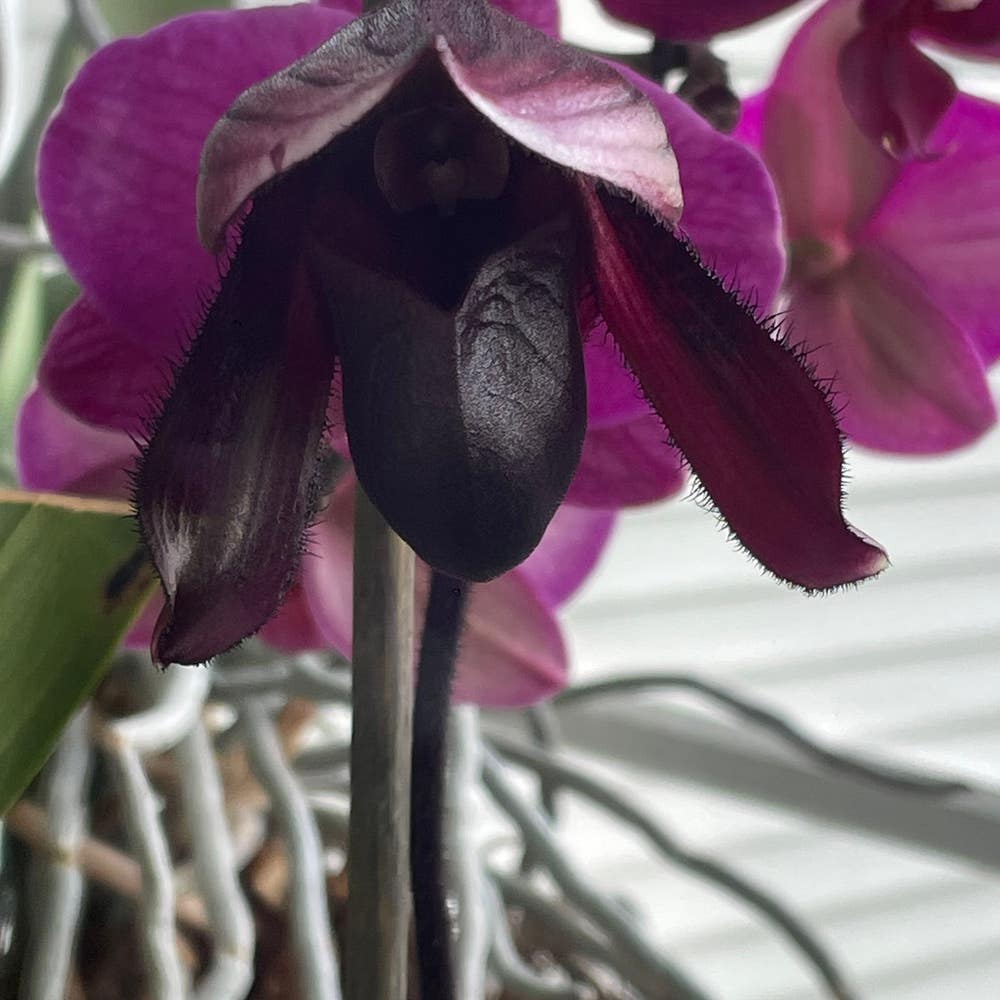
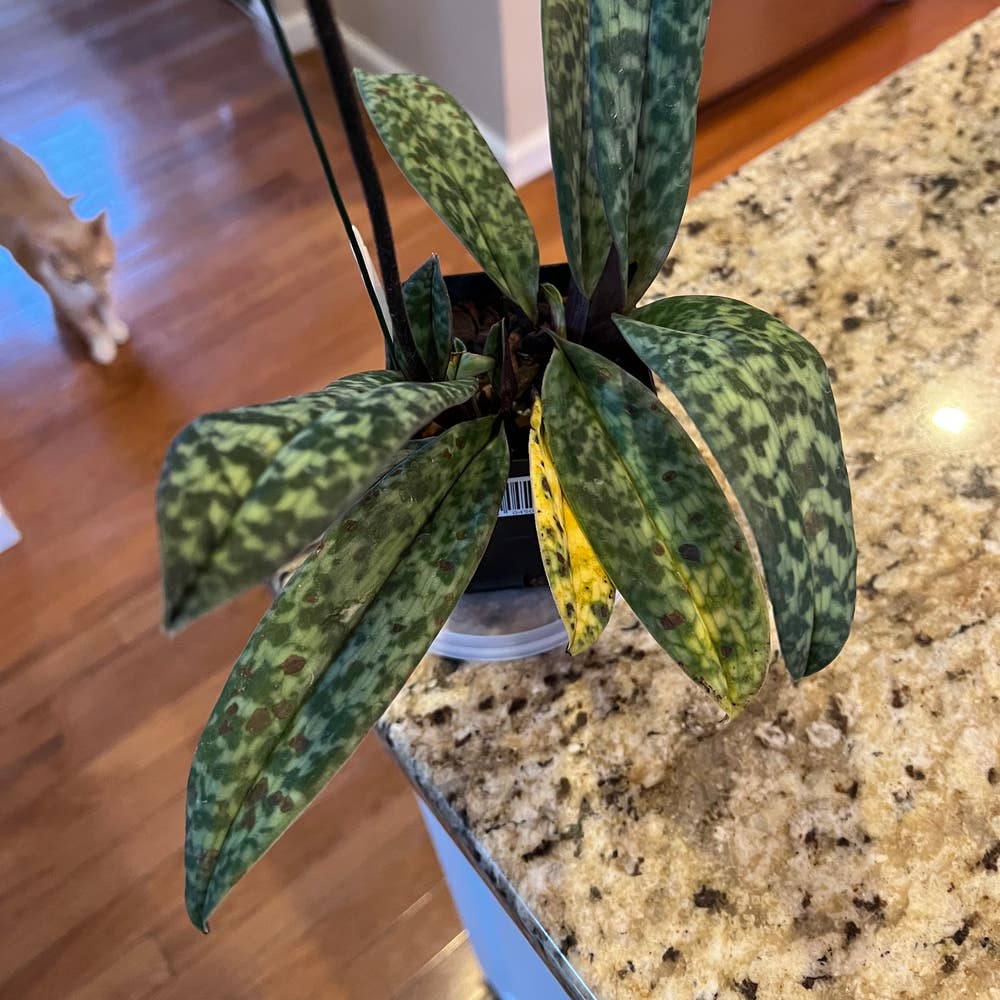
5 Outdoor Care Hacks for Paphiopedilum 'Maudiae Femma' 🌸
Paphiopedilum 'Maudiae Femma'
By the Greg Editorial Team
Oct 02, 2024•5 min read
This article was created with the help of AI so we can cover more plants for you. May contain errors. See one? Report it here.
- 🌞 Paphiopedilum 'Maudiae Femma' needs bright, indirect light for optimal growth.
- 💧 Water when the top inch of soil is dry, typically every 5-7 days.
- 🌿 Use a well-draining mix and balanced fertilizer for healthy blooms and growth.
General Outdoor Care
Sunlight Needs 🌞
Paphiopedilum 'Maudiae Femma' thrives in bright, indirect light, ideally within a 50-70% shade range. Too much light can lead to leaf burn or yellowing, while insufficient light results in stunted growth and elongated, dark green leaves.
Watering Requirements 🚰
Water your Paphiopedilum when the top inch of soil feels dry, typically every 5-7 days. Ensure your pots have drainage holes to prevent standing water, which can cause root rot.
Soil Preferences 🌱
For optimal growth, use a well-draining orchid mix that includes bark, perlite, and sphagnum moss. A suitable potting mix can be created by combining equal parts bark and perlite, adding a small amount of sphagnum moss for moisture retention.
This foundational care sets the stage for successful growth, ensuring your Paphiopedilum flourishes in its outdoor environment. Next, we’ll explore the essential fertilization techniques to keep your plant healthy and vibrant.
Fertilization
🌱 Types of Fertilizers Suitable for Paphiopedilum
For your Paphiopedilum 'Maudiae Femma', balanced orchid fertilizers like 30-10-10 work wonders. Slow-release options are also effective, providing nutrients over time.
Organic choices, such as fish emulsion or seaweed extract, can boost growth while being gentle on the plant. These options not only nourish but also align with eco-friendly gardening practices.
📅 Fertilization Schedule and Techniques
During the growing season—spring and summer—fertilize every 2-4 weeks. This routine keeps your orchid thriving and vibrant.
Always remember to dilute fertilizers to half strength. This simple step prevents nutrient burn, ensuring your plant stays healthy and happy.
⚠️ Signs of Nutrient Deficiency
Keep an eye on your orchid's leaves. Yellowing leaves often signal nitrogen deficiency, indicating it’s time to adjust your fertilization strategy.
If your Paphiopedilum struggles to bloom, it might be lacking phosphorus. Addressing these nutrient deficiencies promptly can lead to a more flourishing plant.
With proper fertilization, your Paphiopedilum will thrive, setting the stage for beautiful blooms. Next, let’s explore the best planting options to maximize your orchid's potential.
Planting Options
Container Planting 🌱
Container planting offers several advantages for your Paphiopedilum 'Maudiae Femma'. It allows for mobility, giving you the flexibility to move your plant to optimal light conditions, while also providing a controlled environment that simplifies pest management.
However, this method comes with its challenges. You'll need to water and fertilize more frequently, as containers can dry out quickly.
Best Practices for Container Care
To ensure your plant thrives in a container, choose pots with good drainage. This prevents water from pooling at the bottom, which can lead to root rot.
Regularly monitor moisture levels, checking the top inch of soil. This simple habit can help you maintain the right balance for your orchid.
Ground Planting 🌍
Ground planting has its own set of benefits and drawbacks. One major advantage is the natural humidity and stable temperature that outdoor soil can provide, creating a more conducive environment for growth.
On the flip side, ground planting exposes your orchid to pests and diseases. You also have less control over soil conditions, which can be a concern.
Soil Preparation and Planting Techniques
Before planting, amend the soil with organic matter to enhance its quality. This step is crucial for ensuring your Paphiopedilum has the nutrients it needs.
Make sure to ensure good drainage before planting. This will help prevent waterlogging and create a healthy environment for your orchid's roots.
As you consider your planting options, weigh the pros and cons carefully. Each method has unique benefits that can enhance your outdoor care experience. Next, let’s explore how to protect your Paphiopedilum from environmental factors.
Protection from Environmental Factors
🌦️ Weather Protection Strategies
Shielding your Paphiopedilum 'Maudiae Femma' from extreme temperatures is crucial for its health. During hot weather, consider using shade cloths to block harsh sunlight and prevent leaf scorch.
Mulching is another effective strategy. It helps retain moisture in the soil, keeping your plant hydrated during those sweltering days.
💧 Humidity Control
Maintaining humidity is essential for your orchid's well-being. Regularly misting the plants can create a more favorable environment.
Alternatively, humidity trays filled with water can help maintain moisture levels around your orchids. This simple addition can make a significant difference in their overall health.
🐛 Pest and Disease Management
Outdoor pests can pose a real threat to your Paphiopedilum. Common culprits include aphids, spider mites, and slugs.
To manage these pests, consider using insecticidal soap or neem oil. Both are effective and less harsh on your plants compared to chemical alternatives.
🚫 Preventative Measures Against Diseases
Preventing diseases is just as important as managing pests. Ensure good air circulation around your plants to minimize the risk of fungal infections.
Avoid overhead watering, as this can create a damp environment conducive to disease. Instead, water at the base to keep the foliage dry and healthy.
By taking these proactive steps, you can create a thriving outdoor environment for your Paphiopedilum 'Maudiae Femma'. Next, let’s explore how to adjust your care routines with the changing seasons.
Seasonal Care
🌦️ Seasonal Changes and Their Impact on Care
Caring for your Paphiopedilum 'Maudiae Femma' requires a keen awareness of seasonal shifts. Adjust your watering routine based on your climate zone; increase frequency during dry spells and cut back when temperatures drop.
❄️ Preparing for Winter and Summer Conditions
In winter, protect your orchid by bringing it indoors if temperatures dip below 50°F (10°C). Conversely, during the summer, ensure your plant has extra shade and humidity to thrive in the heat.
By staying attuned to these seasonal needs, you can help your Paphiopedilum flourish year-round. Next, let’s explore how to protect your plant from environmental factors.
⚠️ Safety First
This content is for general information and may contain errors, omissions, or outdated details. It is not medical, veterinary advice, or an endorsement of therapeutic claims.
Always consult a qualified healthcare professional before using any plant as food, medicine, or supplement.
Never eat any plant (or feed one to pets) without confirming its identity with at least two trusted sources.
If you suspect poisoning, call Poison Control (800) 222-1222, the Pet Poison Helpline (800) 213-6680, or your local emergency service immediately.
Spotted an error? Please report it here.
Keep your Paphiopedilum 'Maudiae Femma' thriving outdoors 🌞 with Greg's personalized watering alerts and expert care tips tailored just for your orchid's needs!