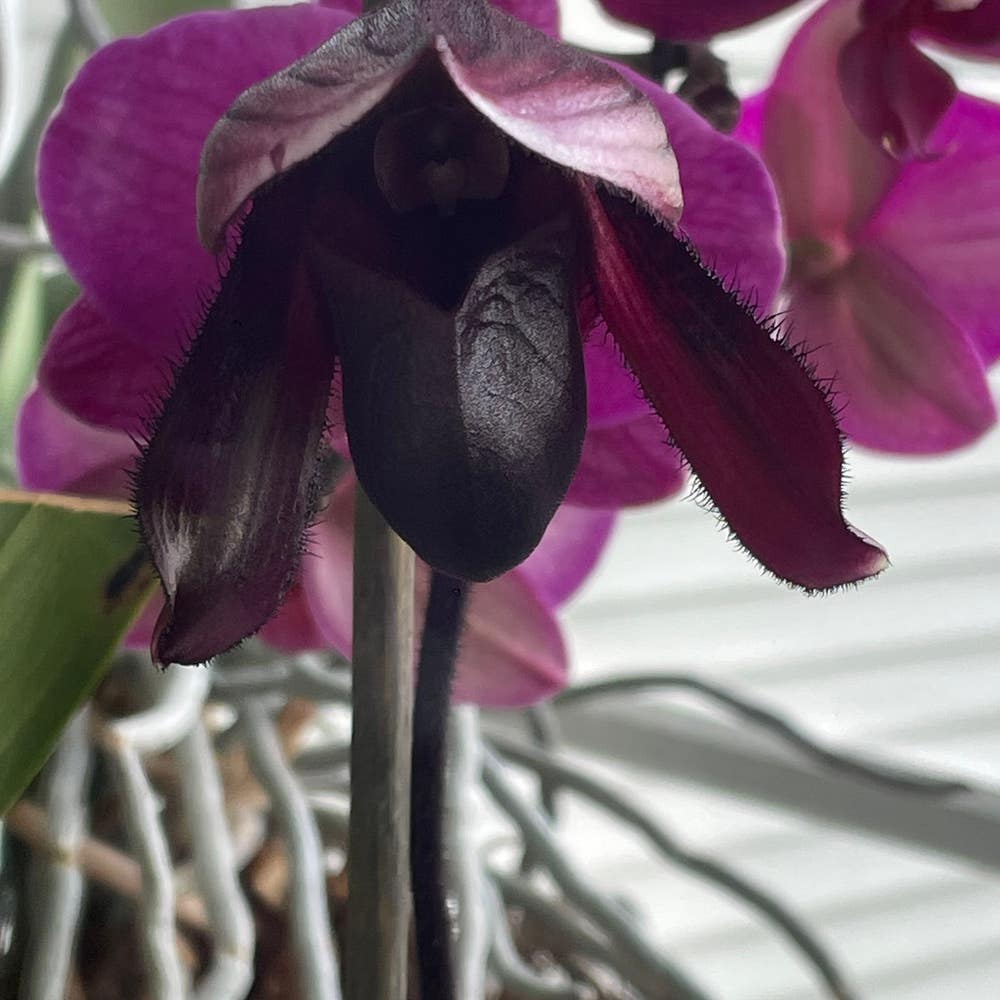
🌸 How to Prepare Your Paphiopedilum 'Maudiae Femma' for Winter
Paphiopedilum 'Maudiae Femma'
By the Greg Editorial Team
Oct 02, 2024•4 min read
This article was created with the help of AI so we can cover more plants for you. May contain errors. See one? Report it here.
- 🌡️ Maintain 15°C to 25°C for optimal Paphiopedilum 'Maudiae Femma' winter care.
- ❄️ Protect from frost by checking forecasts and moving pots indoors when needed.
- 💧 Water every 2-3 weeks and monitor humidity for healthy winter growth.
Frost Protection
Best Practices for Protecting from Frost ❄️
To keep your Paphiopedilum 'Maudiae Femma' thriving during winter, aim for a temperature range of 15°C to 25°C (59°F to 77°F). Regularly check local weather forecasts for frost warnings to stay ahead of any chilly surprises.
Indoor vs. Outdoor Winter Care 🏡
When caring for your orchid indoors, position it away from drafty windows and heating vents. For outdoor plants, move pots to sheltered areas or indoors when frost is on the horizon to prevent damage.
Using Thermal Blankets or Coverings 🛌
Consider using frost cloths, thermal blankets, or bubble wrap as protective coverings. Apply these in the evening before a frost event and remove them in the morning to ensure your plant stays warm and cozy.
With these frost protection strategies in place, your Paphiopedilum will be well-prepared to face the winter chill. Next, let’s delve into the essential adjustments for watering and fertilizing during the colder months.
Watering and Fertilizing Adjustments
🌨️ Adjusting Watering Frequency During Winter
During winter, it's crucial to adjust your watering schedule for your Paphiopedilum 'Maudiae Femma.' Aim to water every 2-3 weeks, but keep an eye on humidity levels, as they can vary.
Checking moisture levels is essential. Use a moisture meter or simply stick your finger into the potting medium to gauge if it’s time to water.
❄️ Fertilizing Schedule for Winter Months
Fertilizing your orchid during winter is just as important as watering. A diluted orchid fertilizer every 4-6 weeks will keep your plant nourished without overwhelming it.
Choose between balanced NPK or specialized orchid fertilizers. Both options can support your plant’s health during the colder months.
🚨 Signs of Overwatering or Underwatering
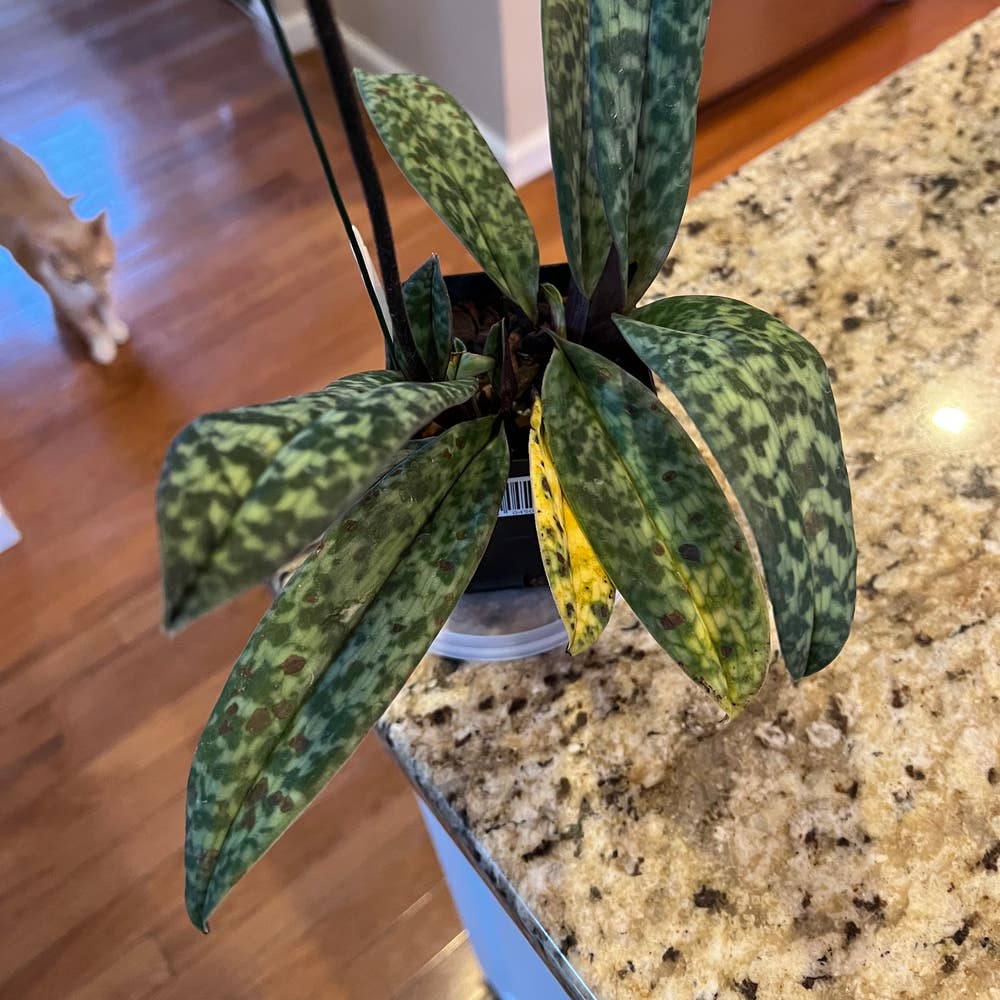
Recognizing the signs of overwatering or underwatering can save your orchid from distress. If you notice yellowing leaves or mushy roots, it’s likely a sign of overwatering.
On the flip side, if the leaves appear wrinkled and the potting medium feels dry, your plant may be underwatered. Adjust your care accordingly to keep your Paphiopedilum thriving.
As you fine-tune your watering and fertilizing practices, you’ll set the stage for a healthy transition into spring. Next, let’s explore how to provide optimal indoor care during the winter months.
Indoor Winter Care
Optimal Indoor Temperature for Winter 🌡️
Maintaining the right temperature is crucial for your Paphiopedilum 'Maudiae Femma' during winter. Aim for a cozy range of 18°C to 22°C (65°F to 72°F) to keep your plant thriving.
To avoid temperature fluctuations, consider using thermostats or heaters. This stability helps your orchid feel secure and promotes healthy growth.
Light Requirements During Winter Months 💡
Your orchid craves bright, indirect light during the winter months. Direct sunlight can scorch its delicate leaves, so be mindful of its light conditions.
If natural light is lacking, don’t hesitate to use supplemental grow lights. This can make a significant difference in keeping your plant happy and healthy.
Placement of the Plant for Best Results 🪴
For optimal growth, place your orchid near east or west-facing windows. These locations provide the right amount of light without the harshness of direct sun.
Also, be cautious of cold drafts. Keep your plant away from doors and windows that frequently open to maintain a stable environment.
By following these indoor care tips, your Paphiopedilum 'Maudiae Femma' will be well-prepared to thrive through the winter months. Next, let’s explore how to adjust watering and fertilizing practices for this season.
Spring Preparation and Recovery
🌨️ Signs of Winter Damage and Recovery Strategies
As winter fades, your Paphiopedilum 'Maudiae Femma' may show signs of damage. Look for brown tips on leaves, wilting, or even leaf loss.
To help your plant recover, prune any damaged leaves. Adjust your care practices to provide a nurturing environment for healing.
🌱 Transitioning Care as Spring Approaches
With warmer temperatures on the horizon, it's time to gradually increase your watering and fertilizing routine. This gentle transition helps your plant acclimate to the changing conditions.
Keep an eye out for new growth. As it appears, adjust light exposure to ensure your orchid thrives.
🌸 Preparing for New Growth in Spring
Spring is a perfect time to consider repotting your orchid if it has outgrown its pot. This refresh can invigorate your plant and promote healthy growth.
Additionally, switch to a higher nitrogen fertilizer to give your Paphiopedilum a boost. This will support robust new growth as the season unfolds.
As you prepare for spring, remember that attentive care can make all the difference. Your efforts now will set the stage for a vibrant growing season ahead.
⚠️ Safety First
This content is for general information and may contain errors, omissions, or outdated details. It is not medical, veterinary advice, or an endorsement of therapeutic claims.
Always consult a qualified healthcare professional before using any plant as food, medicine, or supplement.
Never eat any plant (or feed one to pets) without confirming its identity with at least two trusted sources.
If you suspect poisoning, call Poison Control (800) 222-1222, the Pet Poison Helpline (800) 213-6680, or your local emergency service immediately.
Spotted an error? Please report it here.
Keep your Paphiopedilum 'Maudiae Femma' thriving this winter ❄️ with Greg's tailored reminders and moisture checks, ensuring it’s ready to bloom beautifully come spring!