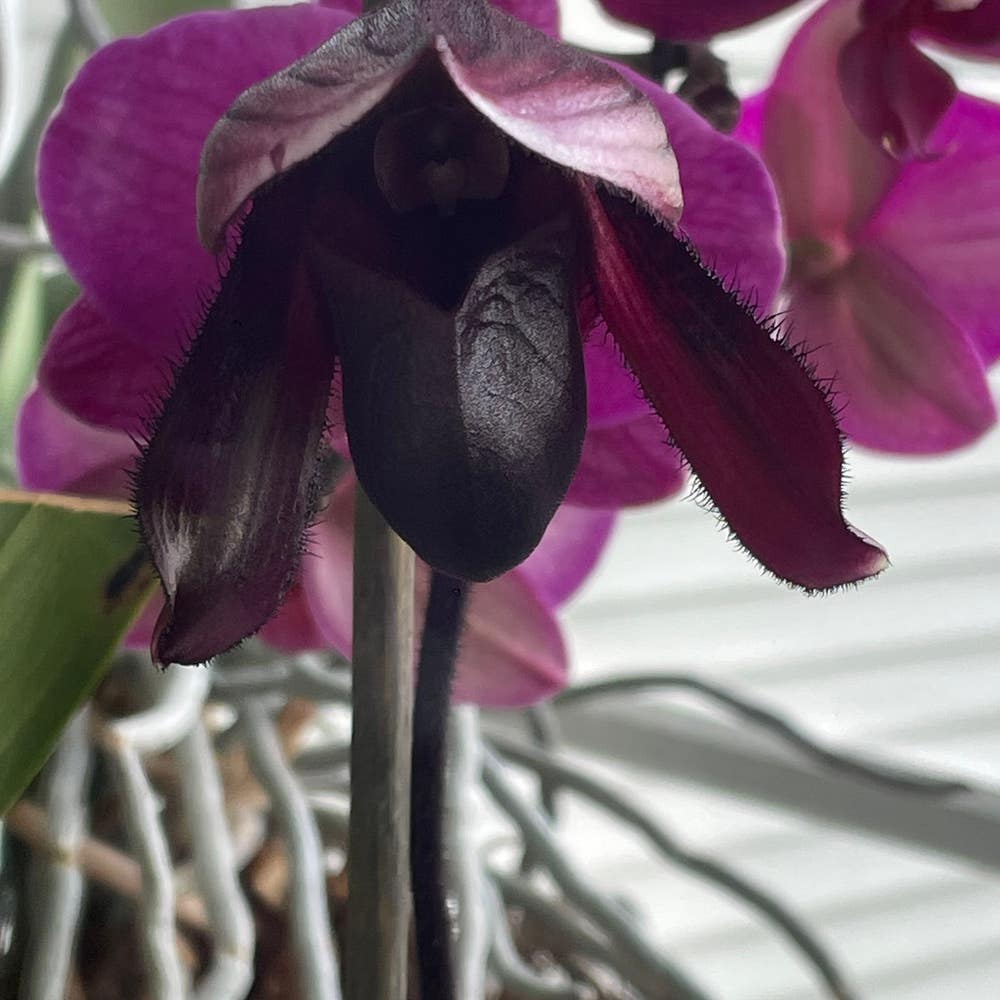
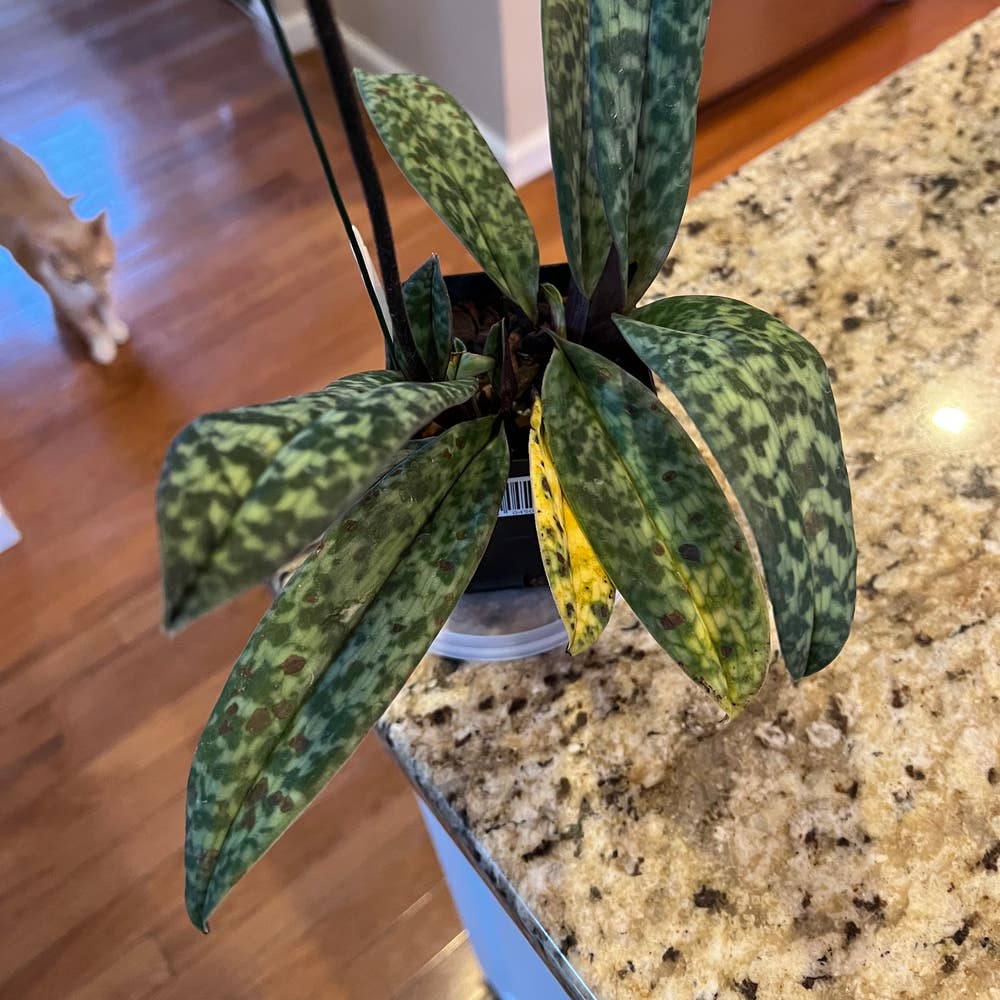
🌸 Why Your Paphiopedilum 'Maudiae Femma' Buds Are Falling Off
Paphiopedilum 'Maudiae Femma'
By the Greg Editorial Team
Oct 02, 2024•6 min read
This article was created with the help of AI so we can cover more plants for you. May contain errors. See one? Report it here.
- 🌱 Environmental stressors like humidity and temperature changes cause bud drop in orchids.
- 💧 Overwatering leads to root rot, weakening plants and causing premature flower loss.
- 🌞 Bright, indirect light and balanced nutrients are crucial for healthy Paphiopedilum blooms.
Premature Flower Drop
🌼 Causes of Bud Drop
Premature flower drop in your Paphiopedilum 'Maudiae Femma' can be frustrating. Understanding the causes is the first step to preventing it.
Environmental Stress
Sudden changes in humidity or temperature can shock your orchid. This stress often leads to bud drop, as the plant struggles to adapt.
Nutrient Deficiencies
A lack of essential nutrients can severely affect flower health. If your orchid isn't getting what it needs, the buds may fall off prematurely.
Overwatering
Overwatering can lead to root rot, weakening the plant. This condition makes it difficult for the orchid to sustain its blooms.
Inadequate Light
Insufficient light can cause stress on flower development. Without enough light, your orchid may drop its buds in an attempt to conserve energy.
🛠️ Solutions to Prevent Bud Drop
Now that you know the causes, let’s explore solutions to keep those buds intact.
Adjust Watering Schedule
Ensure proper drainage and avoid waterlogged conditions. A well-timed watering schedule can make all the difference.
Optimize Nutrient Intake
Use a balanced orchid fertilizer during the bloom cycle. This will help provide the essential nutrients your orchid craves.
Monitor Environmental Conditions
Maintain stable humidity and temperature levels. Regular checks can help you catch any fluctuations before they affect your plant.
Improve Light Exposure
Provide bright, indirect light to support healthy blooms. The right light conditions can significantly enhance your orchid's vitality.
By addressing these factors, you can help your Paphiopedilum 'Maudiae Femma' thrive and enjoy its beautiful blooms. Next, let’s dive into why your orchid might fail to bloom altogether.
Failure to Bloom
🌼 Identifying Reasons for Lack of Blooms
If your Paphiopedilum 'Maudiae Femma' isn't blooming, several factors could be at play.
Insufficient Light
This orchid thrives in bright, indirect light. If it's not getting enough, it simply won't flower.
Nutrient Imbalances
Excess nitrogen can lead to lush foliage but few blooms. Balancing nutrients is crucial for flowering.
Improper Pruning
Neglecting to prune can disrupt the bloom cycle. Regular maintenance helps redirect energy toward new flowers.
Stress Factors
Environmental changes or pest infestations can stress the plant. Keeping an eye on these factors is essential for healthy blooms.
🌱 Steps to Encourage Blooming
Encouraging your orchid to bloom again requires a few strategic adjustments.
Increase Light Exposure
Start by gradually acclimating your plant to brighter conditions. This will help stimulate blooming.
Fertilization Adjustments
Switch to a bloom-boosting fertilizer. This change can provide the necessary nutrients for flower development.
Pruning Techniques
Remove dead or damaged leaves to promote airflow. This simple act can redirect the plant's energy toward blooming.
Create a Stress-Free Environment
Regularly check for pests and maintain stable conditions. A stress-free environment is key to encouraging blooms.
By addressing these factors, you can help your Paphiopedilum 'Maudiae Femma' flourish with vibrant blooms. Next, let’s explore how environmental factors can further influence flowering.
Abnormal Flower Development
🌼 Common Abnormalities in Flower Formation
Abnormalities in flower development can be frustrating for any orchid enthusiast. Deformed flowers often appear irregular in shape or size, typically due to environmental stressors.
Color variations can also signal trouble. If you notice fading or unusual colors, it may indicate nutrient deficiencies affecting your Paphiopedilum 'Maudiae Femma'.
Incomplete blooms are another common issue. Flowers that fail to fully open often result from inadequate growing conditions, leaving you with a less-than-spectacular display.
🛠️ Remedies for Abnormal Flower Growth
To tackle these issues, start by assessing your environmental conditions. Ensuring optimal humidity and temperature is crucial for healthy flower development.
Next, consider nutrient correction. Adjusting your fertilization routine can help address specific deficiencies, promoting vibrant blooms.
Light adjustments are equally important. Modifying light exposure can prevent stress-related abnormalities, allowing your orchids to thrive and flourish.
By paying attention to these factors, you can significantly improve the health and beauty of your blooms.
As you work on these remedies, keep in mind that a little patience goes a long way. With the right care, your Paphiopedilum can reward you with stunning flowers in no time.
Next, let’s explore the environmental factors that affect flowering, including light requirements and nutritional needs.
Environmental Factors Affecting Flowering
🌞 Light Requirements
Optimal light conditions for blooming
Paphiopedilum 'Maudiae Femma' thrives in bright, indirect light. Aim for light levels between 1000-2000 foot-candles to encourage vibrant blooms.
Signs of inadequate or excessive light
If your orchid is receiving too little light, you might notice stretched growth and dark green leaves. Conversely, excessive light can lead to yellowing leaves and scorched tips, signaling stress.
🍽️ Nutritional Needs
Essential nutrients for flowering
Key nutrients like phosphorus and potassium are crucial for bloom development. Maintaining a balanced NPK ratio is important: use 30-10-10 during growth and switch to 10-30-20 during the bloom phase.
How to properly fertilize
Fertilize every 2-4 weeks during the growing season for optimal results. Dilute the fertilizer in water and apply it during your regular watering routine to ensure even distribution.
💧 Humidity and Temperature
Ideal humidity levels for Paphiopedilum
For healthy growth and flowering, maintain humidity levels between 50-70%. You can increase humidity by using humidity trays or misting your plants regularly.
Impact of temperature fluctuations on flowering
The ideal temperature range for Paphiopedilum is between 20°C to 25°C (68°F to 77°F) during the day. Sudden temperature drops can cause stress, leading to bud drop or failure to bloom.
Understanding these environmental factors is essential for nurturing your Paphiopedilum 'Maudiae Femma'. By optimizing light, nutrients, humidity, and temperature, you can create the perfect conditions for stunning blooms. Next, let’s explore how proper pruning and maintenance can further enhance your orchid's flowering potential.
Pruning and Maintenance for Better Flowering
🌱 Importance of Pruning
Pruning is essential for the health and vitality of your Paphiopedilum 'Maudiae Femma'. It not only encourages new growth but also enhances airflow, reducing the risk of disease.
⏰ When and How to Prune for Optimal Blooms
Timing is crucial for effective pruning. Aim for post-bloom pruning to stimulate fresh growth.
- Remove Spent Flowers: This helps the plant redirect energy towards new blooms.
- Trim Dead Leaves: Clearing away dead foliage promotes better airflow and reduces pests.
🌸 Seasonal Considerations
Understanding the bloom cycle is vital for adjusting care practices. Recognizing when your orchid is actively growing or resting can guide your maintenance routine.
- Adjust Care Routines: Tailor your watering and light exposure based on the plant's current phase.
- Seasonal Adjustments: Modify your approach as the seasons change, ensuring your orchid thrives year-round.
By implementing these pruning and maintenance strategies, you can significantly enhance the flowering potential of your Paphiopedilum 'Maudiae Femma'. This proactive care will lead to healthier blooms and a more vibrant plant overall.
Next, let’s explore the environmental factors that can impact flowering, ensuring your orchid gets everything it needs to flourish.
⚠️ Safety First
This content is for general information and may contain errors, omissions, or outdated details. It is not medical, veterinary advice, or an endorsement of therapeutic claims.
Always consult a qualified healthcare professional before using any plant as food, medicine, or supplement.
Never eat any plant (or feed one to pets) without confirming its identity with at least two trusted sources.
If you suspect poisoning, call Poison Control (800) 222-1222, the Pet Poison Helpline (800) 213-6680, or your local emergency service immediately.
Spotted an error? Please report it here.
Keep your Paphiopedilum 'Maudiae Femma' thriving 🌸 by using Greg's tailored care tips and reminders to ensure a stable environment and balanced nutrients for stunning blooms!