Common Paphiopedilum 'Maudiae Femma' Problems
Paphiopedilum 'Maudiae Femma'
By the Greg Editorial Team
Mar 06, 2024•5 min read
This article was created with the help of AI so we can cover more plants for you. May contain errors. See one? Report it here.
- 🌱 Yellow leaves and soggy soil? Over-watering. Parched soil and browning tips? Under-watering.
- 🌡️ Keep it comfy between 65-78°F and in bright, indirect sunlight.
- 🐞 Pests and fungi? Isolate, treat with neem oil or fungicide, and ensure good air circulation.
When Water Woes Strike: Over, Under, and Inconsistent
🚱 Spotting the Signs
Yellow leaves and a soggy soil feel are the hallmarks of over-watering. Conversely, a parched topsoil and browning leaf tips are the distress signals of under-watering. Your 'Maudiae Femma' might as well hold up a sign saying, "Help me, I'm drowning!" or "I'm parched!" depending on the scenario.
Fine-Tuning Your Watering Technique
The finger test is your go-to for soil moisture checks—no fancy gadgets required. If the top inch of soil is dry, it's time to water; think of it as your plant's thirst meter. Ensure your pot has drainage holes to avoid waterlogged roots. Remember, watering is not a set-it-and-forget-it deal; it's a relationship where you need to respond to your plant's needs, which can change with the seasons. Over-watered? Move your orchid to a shadier spot, hold off on the water, and skip the fertilizer until it recovers. Patience is a virtue here; improvements won't happen overnight, but vigilance pays off.
Light and Temperature: The Balancing Act
💡 Symptoms of Stress
Recognizing the signs of improper light and temperature exposure is crucial for the health of your Paphiopedilum 'Maudiae Femma'. Leaves that are limp or discolored, a sudden drop in growth rate, or a general appearance of being unwell can all indicate stress. If the leaves look like they've been through a tanning bed session—crispy and bleached—it's a clear signal of too much sun. Conversely, a plant that's stretching out as if reaching for the light likely needs more.
💡 Creating the Ideal Environment
Creating the perfect environment for your 'Maudiae Femma' involves a delicate dance with light and temperature. Bright, indirect sunlight is the sweet spot; direct rays can lead to leaf scorch, while too little light can stunt growth. Use sheer curtains or blinds to diffuse harsh sunlight. Keep the room temperature consistent, ideally between 65-78°F (18-25°C), and steer clear of drafts or heat sources that could cause sudden temperature fluctuations. Stable conditions are the key to avoiding a botanical melodrama.
Pests: Uninvited Guests
🐞 Common Culprits
Aphids, scale insects, and mealybugs are the pests most likely to crash the Paphiopedilum 'Maudiae Femma' party. Sticky residue or distorted leaves? That's their calling card. They're small, but the havoc they wreak is anything but.
🚪 Eviction Notices
🚨 Immediate Actions
Isolate the affected plant to stop the spread. For a quick fix, a strong water spray can dislodge aphids. Scale insects may require an alcohol swab for a more personal goodbye.
🐞 Natural Predators
Introducing ladybugs can turn the tide in your favor. They're like the bouncers of the garden world, showing pests the door with gusto.
💦 Insecticidal Solutions
For a more hands-off approach, neem oil or insecticidal soap can act like an eviction notice. Apply with precision; these pests don't deserve a second chance.
🕵️ Regular Inspections
Stay vigilant. Regular plant check-ups can catch these freeloaders early. Think of it as a neighborhood watch for your orchid's well-being.
Fungal Foes and Leaf Scorch: Prevent and Protect
🕵️ Spotting Trouble
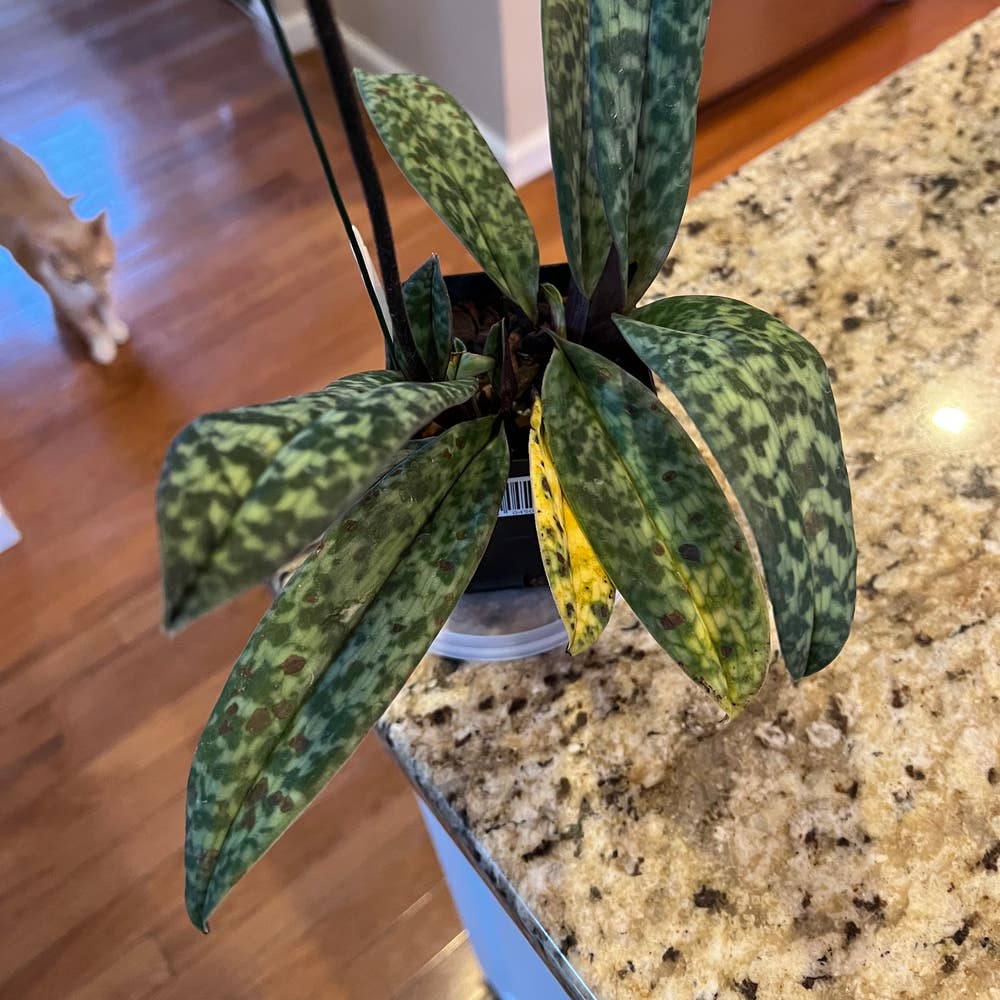
Early signs of fungal issues in Paphiopedilum 'Maudiae Femma' include discolored spots on leaves, often with a yellow halo. These spots can be black, brown, or tan and may have concentric rings. Leaf scorch typically shows as brown, crispy edges on leaves, usually due to excessive light or chemical burns.
🛡️ Combating the Issues
Prevention is your first line of defense against fungal problems. Ensure good air circulation and water in the morning so leaves dry by nightfall. Avoid wetting the foliage when you water. If fungal issues do arise, treat promptly with a copper fungicide or a homemade mixture of baking soda, soap, and water. For leaf scorch, relocate your orchid to a spot with indirect light and consider using a humidifier to mitigate environmental stress.
Root Rot: The Silent Killer
🚨 Recognizing Root Rot
Root rot in Paphiopedilum 'Maudiae Femma' is like a stealthy intruder, often going unnoticed until the damage is severe. Yellowing leaves and a stagnation in growth are your first red flags. If the roots are a dark, mushy mess or emit a foul odor, it's time to sound the alarm. Healthy roots should be firm and a healthy green, not resemble overcooked noodles.
🌱 Root Recovery
When root rot strikes, it's time for some tough love. Remove the plant from its pot and conduct a thorough root inspection. Snip off the rotten parts with sterilized shears—think of it as pruning away the plant's demons. After the bad roots are gone, give the remaining ones a cinnamon sprinkle or a hydrogen peroxide bath (1 part peroxide to 3 parts water) for good measure. Repot in fresh, airy soil and a pot with more drainage holes than a colander. Remember, overwatering is the fast track to root rot, so water judiciously and let the soil dry out between waterings. Prevention is your new best friend—keep it close.
⚠️ Safety First
This content is for general information and may contain errors, omissions, or outdated details. It is not medical, veterinary advice, or an endorsement of therapeutic claims.
Always consult a qualified healthcare professional before using any plant as food, medicine, or supplement.
Never eat any plant (or feed one to pets) without confirming its identity with at least two trusted sources.
If you suspect poisoning, call Poison Control (800) 222-1222, the Pet Poison Helpline (800) 213-6680, or your local emergency service immediately.
Spotted an error? Please report it here.
Keep your Paphiopedilum 'Maudiae Femma' thriving 🌿 with Greg's custom care reminders, tackling everything from watering woes to pesky pests!