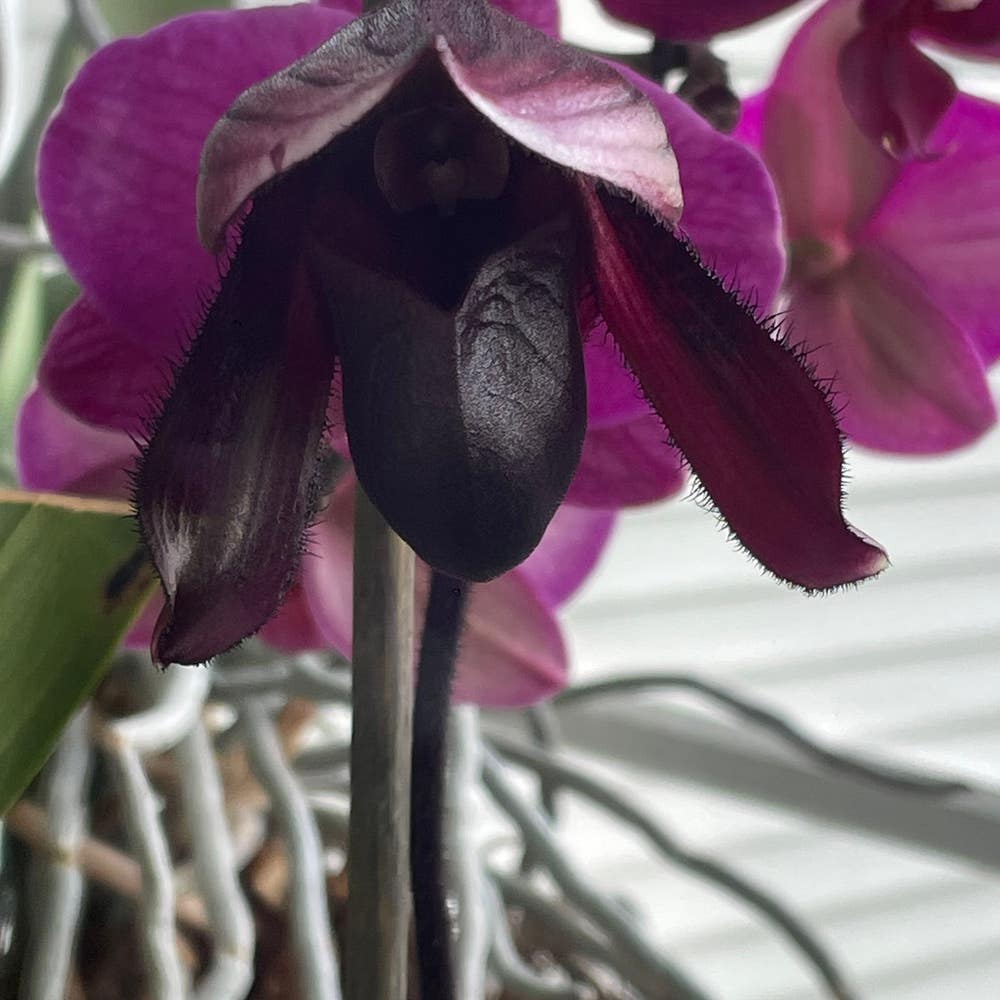
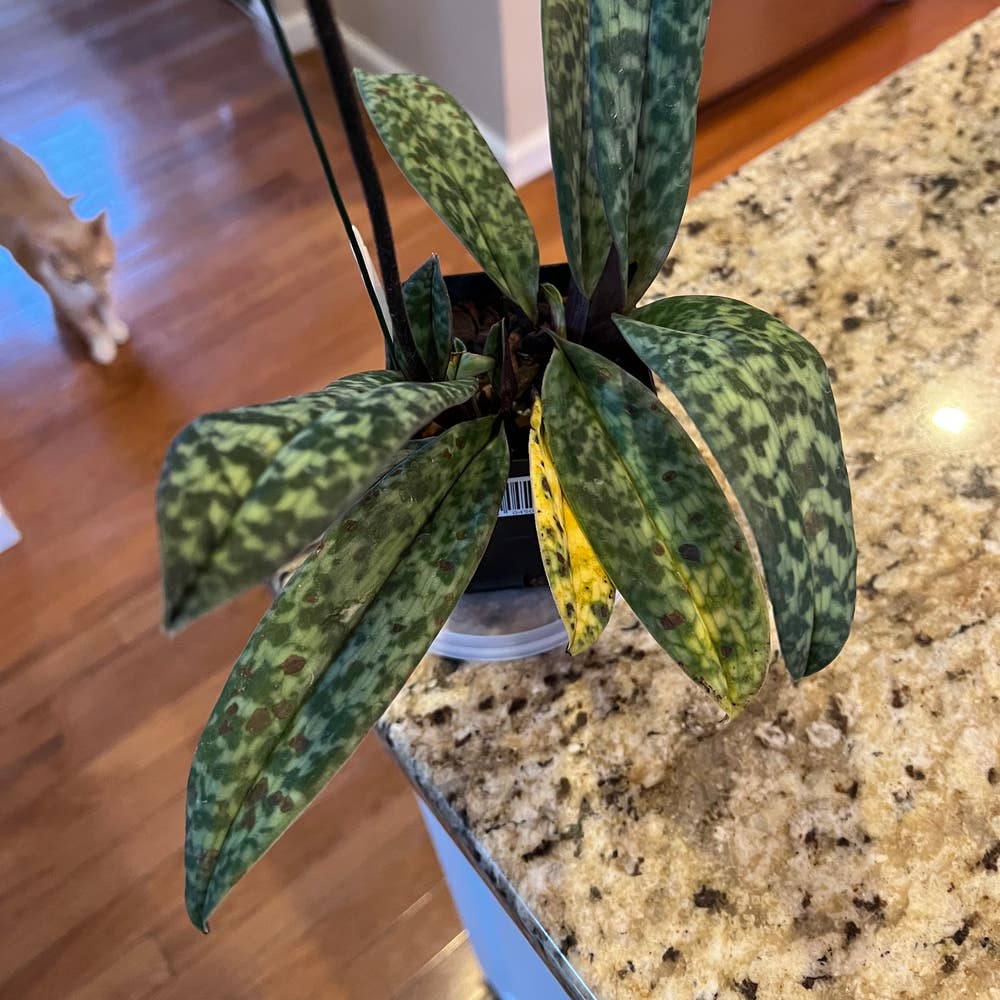
🌸 What Does It Mean When Paphiopedilum 'Maudiae Femma' Blooms?
Paphiopedilum 'Maudiae Femma'
By the Greg Editorial Team
Mar 06, 2024•5 min read
This article was created with the help of AI so we can cover more plants for you. May contain errors. See one? Report it here.
- Blooms annually in spring/summer, lasting several weeks with proper care.
- Bright, diffused light and stable temps (65-75°F) trigger blooming.
- Adjust care seasonally for repeated blooms and embrace dormancy.
When and How 'Maudiae Femma' Shows Its True Colors
💐 The Blooming Cycle
Frequency of blooms for the Paphiopedilum 'Maudiae Femma' varies, but expect a show roughly once a year. The duration of each bloom can be a delightful spectacle lasting up to several weeks, given the right conditions.
Seasonal blooming patterns align with spring and early summer, a period when these orchids are most likely to unveil their flowers. It's like clockwork, with the right care.
🌸 Triggering the Bloom
To coax 'Maudiae Femma' into blooming, you'll need to hit the sweet spots for light, temperature, and humidity. Think of it as setting the stage for a grand performance.
Light should be bright but diffused; direct sunlight is a no-go. Aim for a temperature range that's comfortable for a light sweater, around 65-75°F. As for humidity, imagine a misty morning in the tropics, around 40-70%.
Remember, these are living art pieces, not just leafy decor. They'll bloom when they're good and ready, but getting these factors right can be like a backstage pass to the show.
The Secret Sauce to Blooming Success
💧 Care Practices for Flower Induction
Watering is a delicate dance with Paphiopedilum 'Maudiae Femma'. Too much, and you're on a slippery slope to root rot; too little, and your bloom could be a no-show. Aim for consistently moist soil, allowing the top layer to dry slightly between waterings.
Fertilization is like a secret handshake with your plant. During the growing season, a balanced, water-soluble fertilizer is the ticket to bloom town. But here's the kicker: half-strength is the way to go. Full strength can lead to a leafy green beast with no flowers in sight.
A potting mix that drains like a dream is non-negotiable. Your plant's roots crave oxygen as much as moisture, so think chunky and airy. Orchid bark, charcoal, and perlite are your friends here. It's like building a comfy bed for your plant's roots, and who doesn't love a comfy bed?
🌿 Environmental Fine-Tuning
Creating the perfect blooming environment for your 'Maudiae Femma' is like setting the stage for a rock concert. It's all about the vibe. Keep the temperature consistent, the humidity high, and the airflow just right. Imagine your plant is the lead singer, and you're the roadie making sure everything's perfect.
Light is crucial. Bright, indirect light will have your Paphiopedilum strutting its stuff. Direct sunlight? That's the equivalent of a stage dive gone wrong. Keep it bright but filtered, like sunglasses on a summer day.
Remember, your plant's comfort is key. Avoid placing it near drafty windows or heat sources. Think of it as avoiding the mosh pit and heading for the VIP lounge instead.
Overcoming Blooming Hurdles
🌸 Common Blooming Challenges
Identifying and solving light and temperature missteps can be the difference between a floral fiesta and a petal-less plant. Paphiopedilum 'Maudiae Femma' is no different. If your orchid's leaves are paler than a ghost, it's likely getting too much sun. Conversely, if it's stretching out like it's trying to reach the last cookie, it's craving more light. Temperature swings are also a no-no; these tropical treasures prefer stability.
💐 Reviving a Non-Bloomer
If your 'Maudiae Femma' is stubbornly bloom-free, it's time for some care adjustments. Overwatering can drown its blooming ambitions, while underwatering leaves it too parched to perform. Aim for consistently moist soil. And don't forget the roots; they need a well-draining mix to avoid rot. If your indoor lighting is more reminiscent of a gloomy day in London, consider a grow light to brighten things up. Keep an eye on these factors, and with a little luck, your orchid will grace you with its stunning blooms.
Keeping the Show Going
🌸 Encouraging Repeated Blooms
To maintain a spectacular display, seasonal care adjustments are non-negotiable. As the days grow longer or shorter, your 'Maudiae Femma' requires a tailored approach to light exposure. Rotate your plant periodically to ensure even growth and bloom development.
🌼 Seasonal Care Adjustments
During spring and summer, your orchid's thirst increases. Water judiciously, keeping the potting mix moist but not soggy. As fall approaches, reduce watering to signal the upcoming rest period. This gradual change helps the plant transition smoothly into dormancy.
🛌 Understanding Rest Periods
Embrace dormancy; it's not a sign of trouble but a natural cycle of rejuvenation. After the blooms fade, cut back on fertilization and keep the environment stable—no drastic temperature or humidity swings. This backstage comfort helps set the stage for the next blooming act.
💤 Dormancy for Future Blooms
Dormancy is your plant's chance to catch its breath before the next performance. During this time, reduce watering and observe your plant for any signs of distress. Yellow or droopy leaves might indicate the need for care adjustments. Remember, it's about keeping a dialogue with your plant's needs.
🎭 Post-Bloom Care
After the final curtain call of blooms, stay vigilant against pests and diseases. Regular checks and maintenance ensure your 'Maudiae Femma' stays healthy and ready for its next blooming cycle. Keep the potting mix fresh and the roots happy to encourage a robust return to the spotlight.
⚠️ Safety First
This content is for general information and may contain errors, omissions, or outdated details. It is not medical, veterinary advice, or an endorsement of therapeutic claims.
Always consult a qualified healthcare professional before using any plant as food, medicine, or supplement.
Never eat any plant (or feed one to pets) without confirming its identity with at least two trusted sources.
If you suspect poisoning, call Poison Control (800) 222-1222, the Pet Poison Helpline (800) 213-6680, or your local emergency service immediately.
Spotted an error? Please report it here.
Ensure your Paphiopedilum 'Maudiae Femma' orchid thrives and blooms annually 🌸 with Greg's personalized care plans and a community of experts to help you perfect its environment.