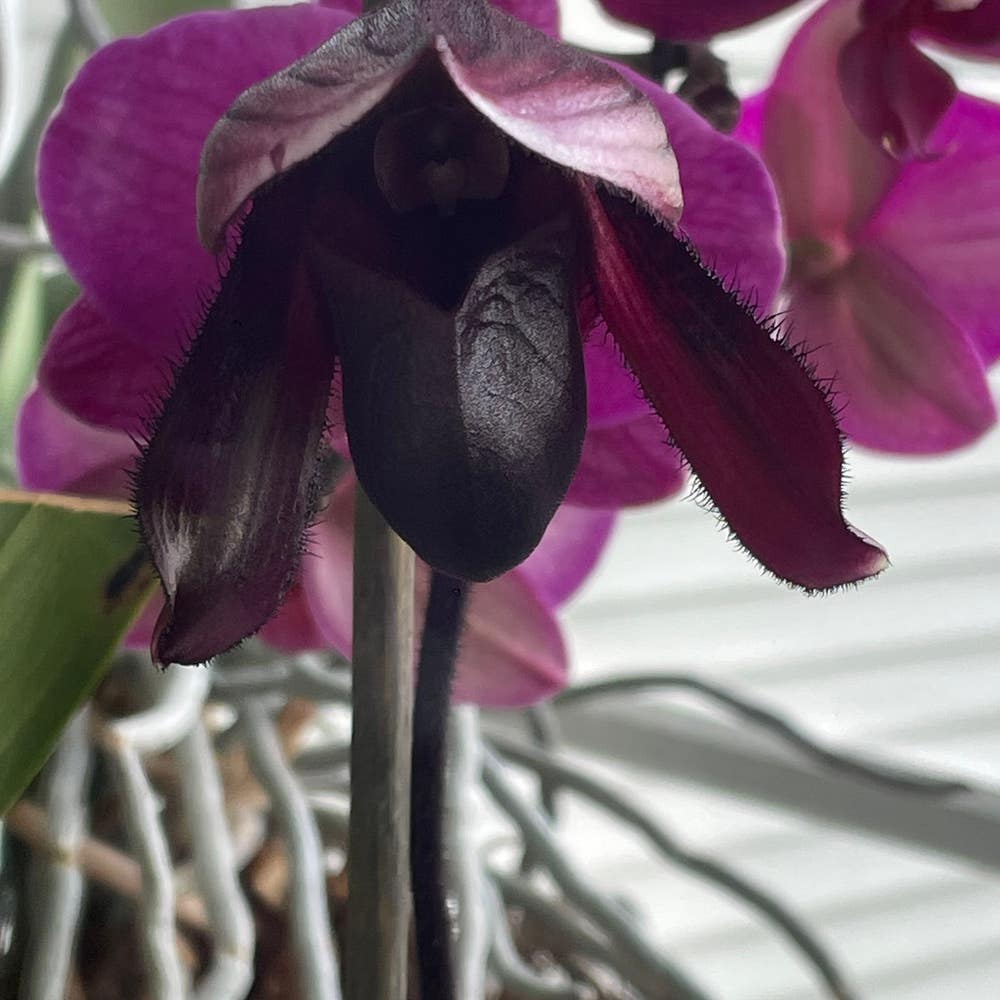
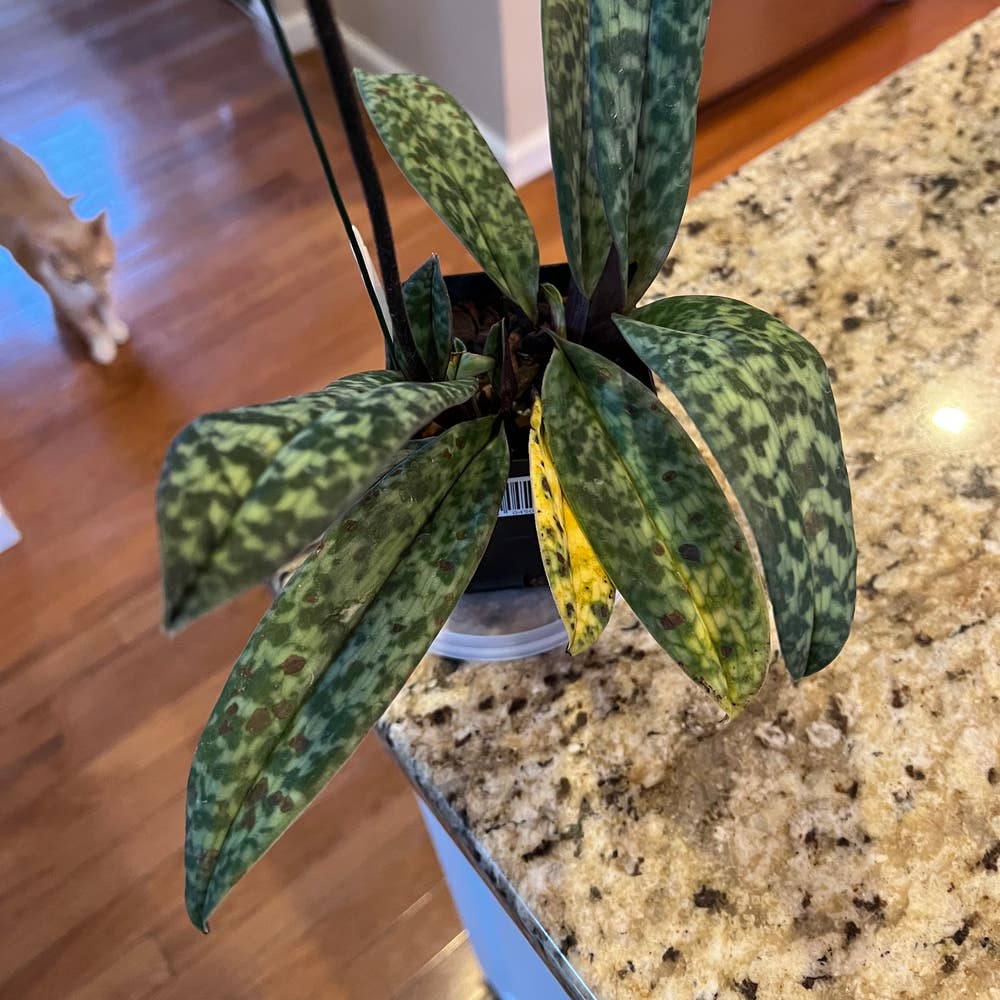
🌸 How to Grow Paphiopedilum 'Maudiae Femma': From Soil to Sun
Paphiopedilum 'Maudiae Femma'
By the Greg Editorial Team
Oct 02, 2024•6 min read
This article was created with the help of AI so we can cover more plants for you. May contain errors. See one? Report it here.
- 🌡️ Ideal temperatures for Paphiopedilum 'Maudiae Femma' are 65°F to 75°F with 50-70% humidity.
- 💡 Bright, indirect light prevents leggy growth and promotes healthy flowering.
- 🌱 Use a well-draining soil mix of bark, perlite, and sphagnum moss for optimal growth.
Choosing the Right Location
🌱 Indoor vs. Outdoor Growing Conditions
Creating the perfect environment for your Paphiopedilum 'Maudiae Femma' is crucial. Indoors, aim for temperatures between 65°F and 75°F, with humidity levels around 50-70%.
If you're considering outdoor growth, ensure your climate is suitable. Protect your orchids from harsh winds and direct sunlight, as they thrive in more sheltered spots.
💡 Light Requirements
Light plays a vital role in the health of your orchid. Aim for bright, indirect light to keep your Paphiopedilum happy and thriving.
Watch for signs of inadequate light, such as leggy growth or poor flowering. If your plant starts stretching towards the light, it’s time to adjust its position.
By carefully selecting the right location and light conditions, you set the stage for a flourishing orchid. Next, let’s dive into soil preparation to ensure your plant has the best foundation for growth.
Soil Preparation
Best Soil Mixes 🌱
Creating the perfect soil mix is crucial for your Paphiopedilum 'Maudiae Femma' to thrive. A blend of bark, perlite, and sphagnum moss provides the right balance of aeration and moisture retention.
Maintaining a pH balance between 5.5 and 6.5 is essential. This range ensures that your orchid can absorb nutrients effectively, promoting healthy growth.
Importance of Drainage 🚰
Well-draining soil is a must for preventing root rot. Look for soil that allows excess water to escape while retaining enough moisture for the plant's needs.
To enhance drainage in containers, consider adding materials like coarse sand or small stones. These additions help create air pockets, ensuring that your orchid's roots stay healthy and happy.
Planting Techniques
Container Selection 🌱
Choosing the right container is crucial for your Paphiopedilum 'Maudiae Femma'. Consider both size and material to ensure optimal growth.
For size, select a pot that allows for some growth but isn't excessively large. A snug fit encourages healthy root development.
When it comes to materials, clay pots offer excellent breathability and moisture regulation. On the other hand, plastic pots are lightweight and retain moisture longer, making them a good option for beginners.
Repotting Guidelines 🔄
Repotting is essential for maintaining a healthy orchid. Look for signs of root-bound conditions, such as roots growing out of the drainage holes or a stunted plant.
Follow these steps for a successful repotting process:
- Prepare a new pot and a suitable soil mix.
- Carefully remove the plant from its old pot, taking care not to damage the roots.
- Trim any damaged or dead roots to promote healthy growth.
- Place the plant in the new pot and fill it with the prepared soil mix.
- Water thoroughly after repotting to help settle the soil around the roots.
Repotting not only refreshes the growing medium but also gives your orchid a chance to thrive in a new environment. With the right techniques, your Paphiopedilum will flourish and reward you with stunning blooms.
Next, let’s dive into the essential aspects of watering and fertilizing your orchid for optimal growth.
Watering and Fertilizing
Watering Frequency and Techniques 🌊
To keep your Paphiopedilum 'Maudiae Femma' thriving, aim to water every 7-10 days. You can choose between bottom watering, which allows the roots to absorb moisture gradually, or top watering, where you pour water directly onto the soil.
Signs of Overwatering and Underwatering 🚨
Watch for signs of overwatering, such as yellowing leaves and mushy roots. Conversely, if you notice shriveled leaves and a dry potting mix, it’s likely your plant is underwatered.
Fertilizing Schedule 📅
During the growing season, a monthly fertilization routine is essential. Use balanced NPK fertilizers or those specifically designed for orchids to provide the nutrients your plant craves.
Dilution and Application Methods 💧
For optimal results, dilute your fertilizers according to the recommended ratios on the label. You can apply them through foliar feeding, which nourishes the leaves, or directly to the soil for root uptake.
By mastering the art of watering and fertilizing, you'll set the stage for a flourishing Paphiopedilum. Next, let's dive into pruning and maintenance to keep your plant healthy and vibrant.
Pruning and Maintenance
Pruning Techniques for Healthy Growth 🌱
Pruning is essential for the health of your Paphiopedilum 'Maudiae Femma.' Remove spent blooms promptly to encourage new growth and maintain the plant's energy.
Additionally, keep an eye on dead or yellowing leaves. Their removal not only improves aesthetics but also prevents potential diseases from spreading.
Ongoing Care Routine 💧
Humidity plays a crucial role in your orchid's well-being. Aim for a humidity level between 50-70% to keep your plant thriving.
Temperature management is equally important. Maintain moderate temperatures to create a comfortable environment for your Paphiopedilum.
Pest and Disease Management 🐛
Be vigilant about common pests like aphids, mealybugs, and spider mites. Regular checks can help you catch infestations early.
Preventing diseases is all about air circulation and cleanliness. Ensure your plant has good airflow and keep the growing area tidy to minimize risks.
With these maintenance tips, your Paphiopedilum will flourish, setting the stage for the next section on common challenges and solutions.
Common Challenges and Solutions
🕵️♂️ Identifying Common Problems
Root Rot
Root rot is a serious issue for Paphiopedilum 'Maudiae Femma'. Symptoms include wilting and mushy roots, which indicate that your plant is struggling.
The primary causes are overwatering and poor drainage. If you notice these signs, it’s crucial to act quickly to save your orchid.
Leaf Yellowing
Another common problem is leaf yellowing. This can stem from nutrient deficiencies or inadequate light.
When your plant is stressed, you may see yellowing leaves and stunted growth. Identifying the cause early can help you restore your plant's health.
🛠️ Solutions and Preventive Measures
To tackle these challenges, adjusting your care routine is essential. Start by fine-tuning your watering schedule and ensuring your plant receives the right amount of light.
Using appropriate products can also make a difference. Consider fungicides for root rot and insecticides if pests are present.
By staying vigilant and responsive to your plant's needs, you can maintain a thriving Paphiopedilum 'Maudiae Femma'. Next, let’s explore seasonal considerations to further enhance your care routine.
Seasonal Considerations
🌱 Seasonal Growth Patterns
Understanding the growth cycles of Paphiopedilum 'Maudiae Femma' is crucial for successful cultivation. These orchids experience distinct phases: active growth and dormancy.
During active growth, typically in spring and summer, the plant thrives and requires more attention. Conversely, in dormancy, usually in fall and winter, growth slows down significantly.
🔄 Adjusting Care Based on Seasons
❄️ Winter Dormancy
As winter approaches, it's time to adjust your care routine. Reduce watering and fertilization to prevent stress on the plant.
Maintaining humidity is essential during this period. Aim for a consistent level to keep your orchid healthy and thriving.
☀️ Summer Growth Phase
In summer, your Paphiopedilum will need increased watering and fertilization. This is the time to boost its nutrients to support robust growth.
Keep a close eye on pests, as warmer temperatures can lead to infestations. Regular checks will help you catch any issues early and keep your orchid flourishing.
With these seasonal adjustments, you'll ensure your Paphiopedilum 'Maudiae Femma' remains vibrant and healthy year-round. Next, let’s explore the common challenges you might face and how to tackle them effectively.
⚠️ Safety First
This content is for general information and may contain errors, omissions, or outdated details. It is not medical, veterinary advice, or an endorsement of therapeutic claims.
Always consult a qualified healthcare professional before using any plant as food, medicine, or supplement.
Never eat any plant (or feed one to pets) without confirming its identity with at least two trusted sources.
If you suspect poisoning, call Poison Control (800) 222-1222, the Pet Poison Helpline (800) 213-6680, or your local emergency service immediately.
Spotted an error? Please report it here.
Transform your Paphiopedilum 'Maudiae Femma' into a blooming beauty 🌺 with Greg's tailored care reminders and watering plans that ensure it thrives in its perfect environment!