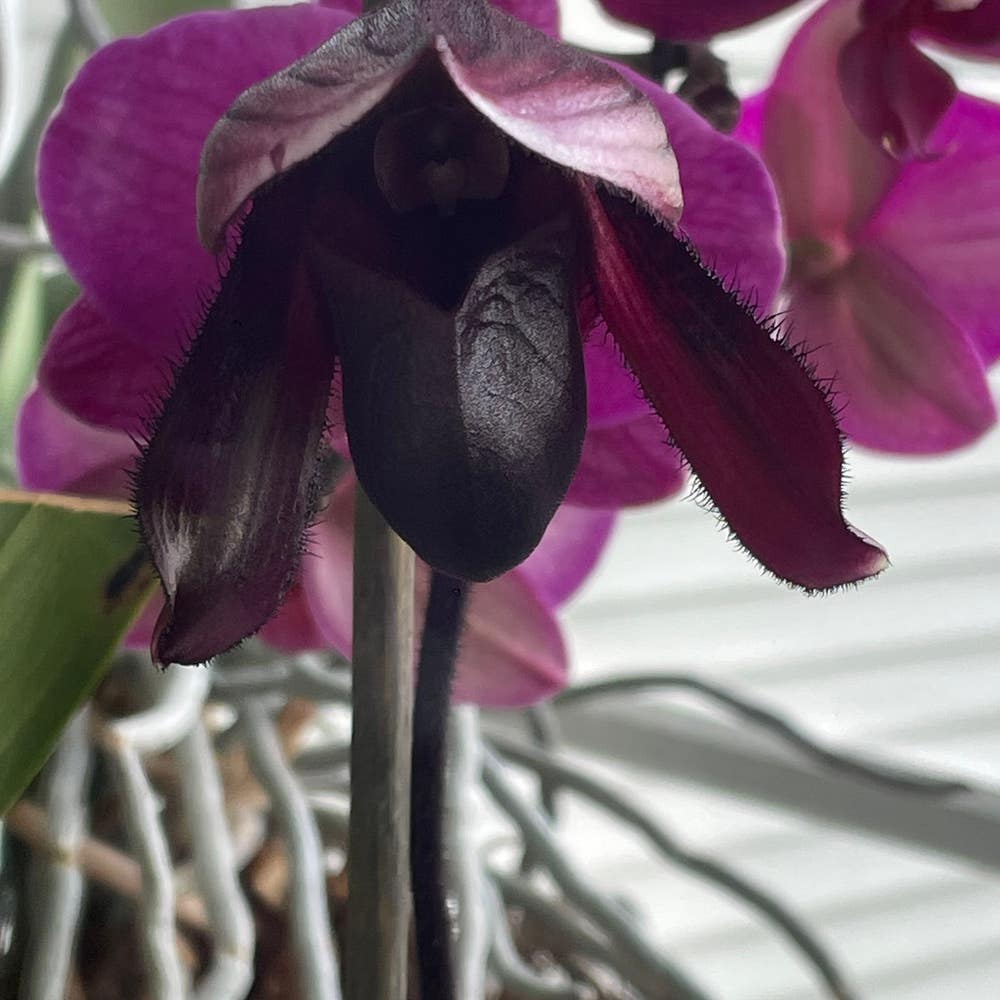
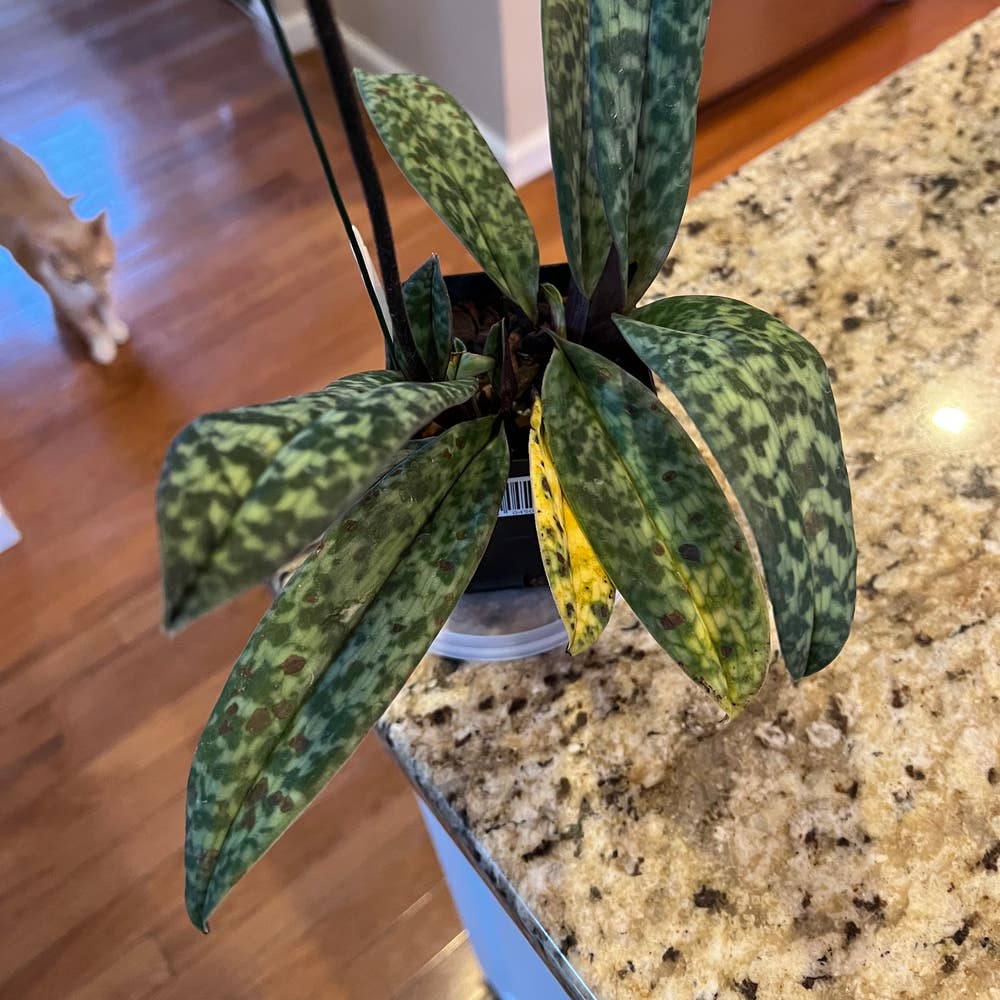
🌸 Understanding Paphiopedilum 'Maudiae Femma' Height
Paphiopedilum 'Maudiae Femma'
By the Greg Editorial Team
Oct 02, 2024•4 min read
This article was created with the help of AI so we can cover more plants for you. May contain errors. See one? Report it here.
- 🌱 Paphiopedilum 'Maudiae Femma' grows 12 to 18 inches tall, ideal for various spaces.
- 💧 Humidity levels of 50-70% are crucial for healthy growth and size.
- 🌞 Bright, indirect light promotes optimal growth for this beautiful orchid.
Mature Height and Spread
Mature Height 🌱
Paphiopedilum 'Maudiae Femma' typically reaches a height range of 12 to 18 inches. This size can vary based on genetic predisposition and the care practices you implement.
Mature Spread 🌿
The average spread of this orchid is approximately 12 inches. Its growth habit features a rosette formation, which contributes to a compact and visually appealing appearance.
Growth Rate and Time to Maturity ⏳
The average growth rate of Paphiopedilum 'Maudiae Femma' can vary significantly depending on environmental conditions. Generally, it takes about 2 to 3 years to reach full size, influenced by factors such as light, humidity, and temperature.
Understanding these aspects of height and spread will help you cultivate a thriving orchid. Next, we’ll explore how size can vary based on different environmental conditions.
Size Variability Based on Conditions
🌍 Environmental Conditions
Light
For Paphiopedilum 'Maudiae Femma', optimal light conditions are crucial. Bright, indirect light promotes healthy growth, while insufficient light can lead to stunted growth and reduced height.
Humidity
Humidity plays a significant role in the orchid's size. Ideally, maintain humidity levels between 50-70%; otherwise, low humidity can result in smaller plants and curled leaves.
Temperature
Temperature is another key factor affecting growth. The preferred range is 65°F to 80°F (18°C to 27°C); extreme temperatures can inhibit growth and lead to size reduction.
🪴 Potting and Soil Considerations
The size of the pot can significantly impact growth. Larger pots often encourage larger growth, while using a well-draining orchid mix is essential for optimal root health.
🌱 Fertilization Impact on Growth
Nutrient requirements are vital for healthy development. A balanced fertilizer during the growing season supports growth, but over-fertilization can lead to excessive growth or root burn, which can be detrimental.
Understanding these environmental factors will help you cultivate a thriving Paphiopedilum 'Maudiae Femma'. Next, we’ll explore the various varieties and their size differences.
Varieties and Size Differences
Dwarf Varieties 🌱
Dwarf varieties of Paphiopedilum 'Maudiae Femma' are charming little gems, typically standing under 12 inches tall. Their compact size makes them perfect for small spaces or terrariums, allowing you to enjoy their beauty without needing a lot of room.
These petite orchids often exhibit vibrant blooms, adding a splash of color to any setting. Their manageable height also makes them easier to care for, appealing to both novice and experienced growers alike.
Giant Varieties 🌳
On the other end of the spectrum, giant varieties of Paphiopedilum can exceed 18 inches in height. These impressive specimens are ideal for larger displays or collections, making a bold statement wherever they are placed.
Notable giant varieties include Paphiopedilum 'Hercules' and Paphiopedilum 'King Arthur,' both known for their striking blooms and robust stature. Cultivating these larger orchids can be a rewarding experience, as they often become the centerpiece of any orchid collection.
Understanding the differences between dwarf and giant varieties can help you choose the right type for your space and aesthetic preferences. Whether you opt for a petite beauty or a towering giant, each variety offers unique charm and appeal.
As you explore the world of Paphiopedilum, consider how size can influence your growing experience and the overall impact of your orchid display.
Controlling Size
Pruning Techniques 🌿
Pruning is essential for maintaining the size and shape of your Paphiopedilum 'Maudiae Femma.' It encourages bushier growth while controlling height, making your orchid more visually appealing.
To effectively prune, follow these steps:
- Remove any dead or yellowing leaves to promote overall health.
- Trim back leggy growth, which helps foster denser foliage.
Repotting Strategies 🪴
Repotting is another key factor in controlling size. Aim to repot your orchid every 1-2 years or whenever it becomes root-bound.
When selecting a pot, consider the desired dimensions. A larger pot can encourage more growth, while a smaller one can help restrict size.
Tips for Maintaining Desired Dimensions 📏
Regular monitoring of growth patterns is crucial. Keep an eye on how your orchid is developing to make timely adjustments.
Adjusting environmental conditions can also help control size. For instance, tweaking light and humidity levels can influence growth.
Lastly, using smaller pots can be an effective strategy for size restriction. This simple change can make a significant difference in how your orchid grows.
By implementing these techniques, you can enjoy a beautifully sized Paphiopedilum 'Maudiae Femma' that fits perfectly in your space. Next, let’s explore the fascinating variety of sizes within this orchid species.
⚠️ Safety First
This content is for general information and may contain errors, omissions, or outdated details. It is not medical, veterinary advice, or an endorsement of therapeutic claims.
Always consult a qualified healthcare professional before using any plant as food, medicine, or supplement.
Never eat any plant (or feed one to pets) without confirming its identity with at least two trusted sources.
If you suspect poisoning, call Poison Control (800) 222-1222, the Pet Poison Helpline (800) 213-6680, or your local emergency service immediately.
Spotted an error? Please report it here.
Cultivating a thriving Paphiopedilum 'Maudiae Femma' 🌸 is easy with Greg's tailored care tips and reminders, ensuring your orchid reaches its full potential!